
What Overnight Masking Actually Does to Your Hair
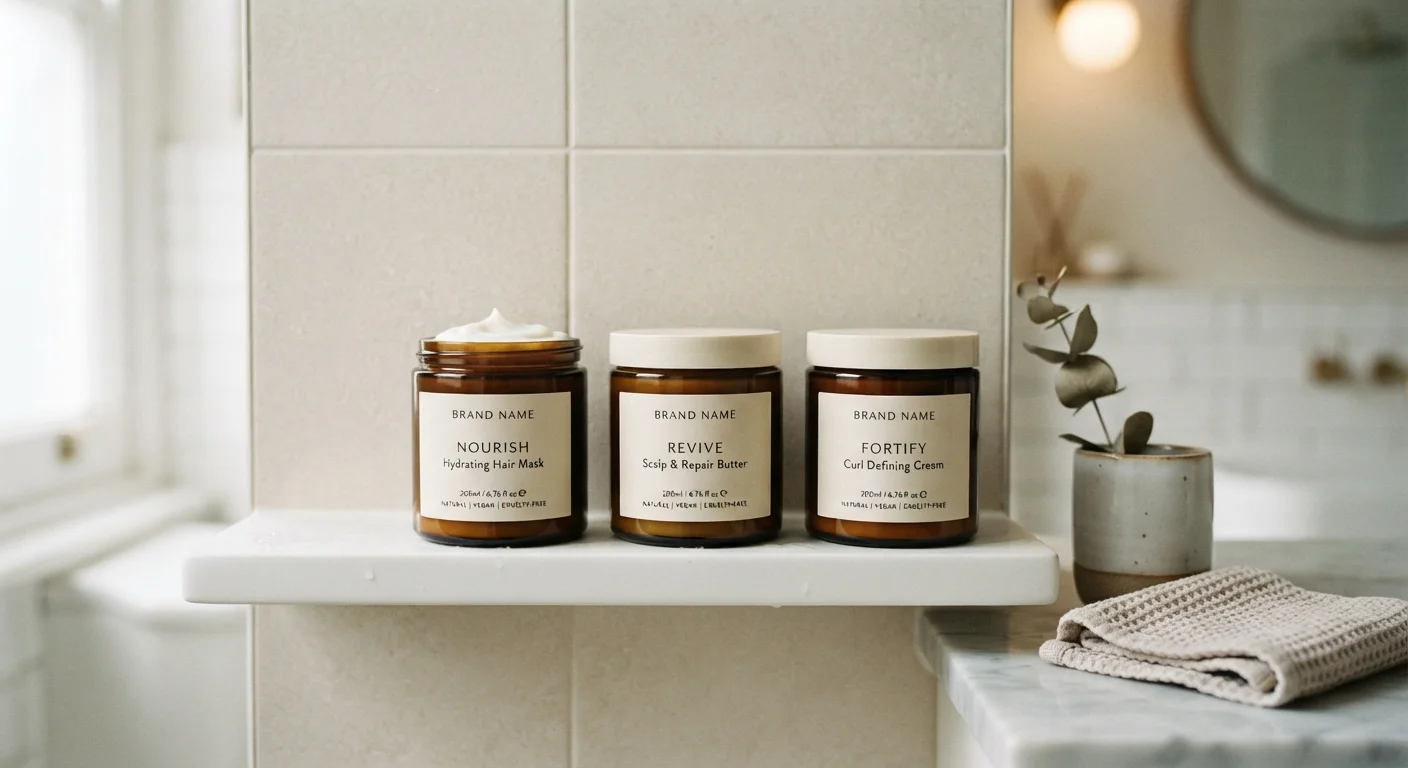
A standard hair mask is designed to penetrate the hair's outer cuticle layer and deliver concentrated conditioning agents — typically emollients, humectants, or proteins — during a short dwell time. Extending that window overnight changes the equation. Prolonged contact gives certain ingredients more time to absorb, but it also increases the risk of over-conditioning or ingredient buildup, depending on the formula and your hair's current state.
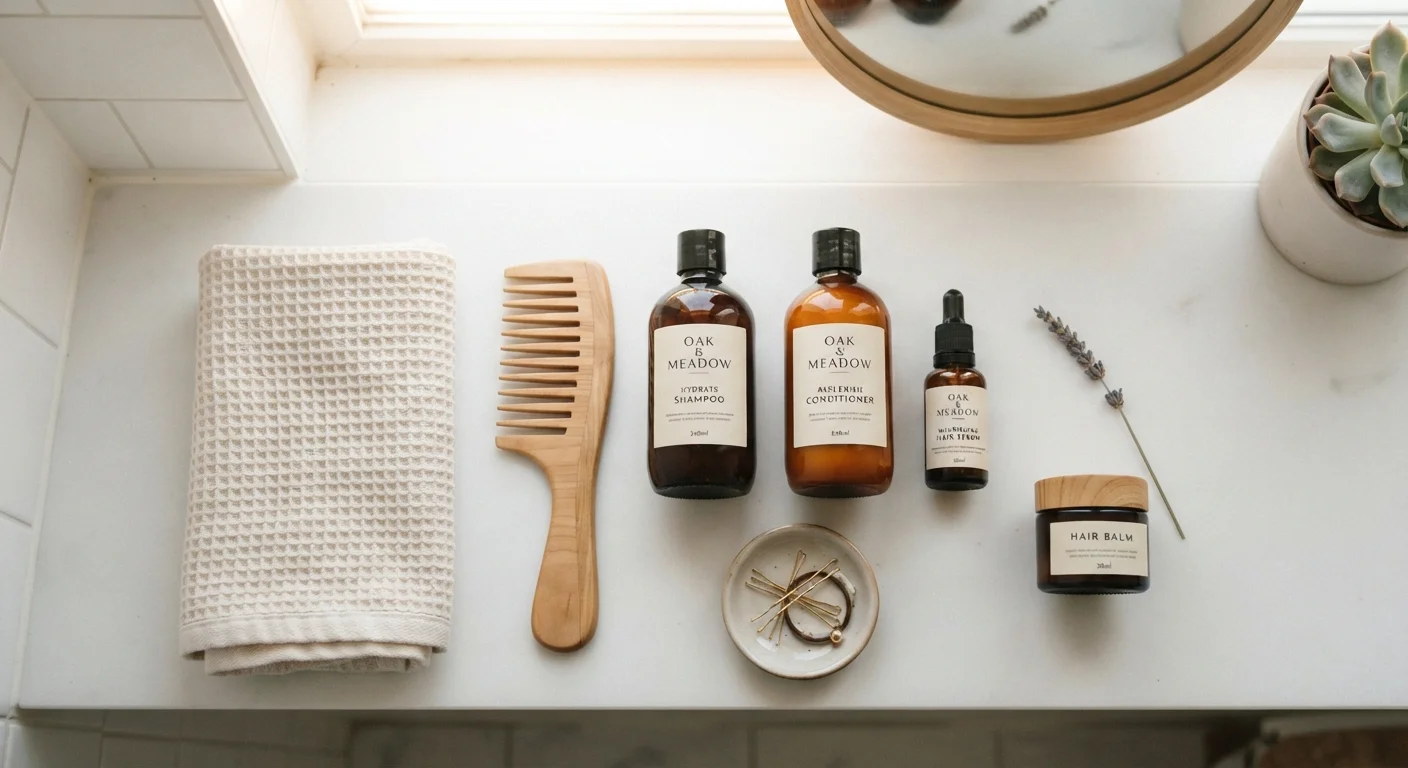
Understanding what's in your mask matters here. Moisture-focused masks — those built around ingredients like shea butter, aloe vera, or panthenol — tend to be safer for extended wear. Protein-heavy formulas are a different story. Proteins temporarily fill gaps in damaged cuticles, but too much exposure can make hair feel stiff and prone to breakage, a condition commonly called protein overload. To understand how masks compare to everyday conditioners and deep conditioners, see our breakdown of what each product actually does.
Not All Masks Are Formulated the Same Way
A product labeled 'hair mask' can range from a lightweight rinse-out moisturizer to a dense, protein-rich reconstructor. Always check the ingredient list before extending the wear time beyond the manufacturer's recommendation. Masks with hydrolyzed proteins listed among the first several ingredients carry a higher risk of overload when left on overnight. When in doubt, patch-test on a small section of hair before committing to a full overnight application.
The Case For Sleeping in a Hair Mask
Deeper moisture absorption for dry hair types
Extended dwell time allows humectants and emollients to work more thoroughly into dry or high-porosity strands, often delivering noticeable softness improvements that a short treatment cannot match.
Convenient for busy schedules
Applying a mask at bedtime uses time that would otherwise go unused, eliminating the need to set aside dedicated treatment time during the day.
Beneficial for coarse, coiled, or chemically treated hair
Hair textures that lose moisture quickly — including tightly coiled natural hair and color-treated or bleached hair — can benefit from the sustained conditioning an overnight application provides.
Can improve manageability and reduce tangles
Thoroughly conditioned hair is generally easier to detangle and style, which can reduce mechanical damage during combing or brushing after washing.
Extended exposure to conditioning ingredients gives dry or porous hair more opportunity to absorb moisture than a 20-minute rinse-out allows. For those with thick, coarse, tightly coiled, or chemically treated hair — textures that tend to lose moisture quickly — the prolonged treatment can meaningfully improve softness, manageability, and elasticity. It's also a practical option for people with packed schedules: apply before bed, rinse in the morning, and the treatment fits into time that was already unavailable.
When Overnight Masking Can Backfire
Risk of protein overload with the wrong formula
Masks with high protein content left on for hours can cause hair to become stiff, brittle, and more prone to snapping — particularly for hair that is already in a balanced or protein-sufficient state.
Ineffective on low-porosity hair
Low-porosity hair has tightly sealed cuticles that resist absorption; leaving a mask on overnight rarely improves penetration and may instead leave a residue film on the hair shaft.
Can weigh down fine or oily hair
Fine hair is easily overwhelmed by heavy conditioning agents, and extended contact often results in limp, flat hair that looks greasy even after rinsing.
Friction and breakage risk during sleep
Wet or product-coated hair creates more friction against bedding, which can lead to tangles, frizz, and mechanical breakage — especially without a protective covering.
Potential scalp irritation or clogged follicles
Most hair masks are not formulated for scalp contact; leaving them on overnight near the roots can block follicles and cause irritation, particularly for those with a sensitive or oily scalp.
Fine hair, low-porosity hair, and oily scalp types are the most vulnerable to the downsides of extended masking. Low-porosity hair — which resists moisture absorption due to tightly bound cuticles — can actually block conditioning agents from penetrating effectively regardless of dwell time, leaving residue on the surface rather than nourishing the strand from within.
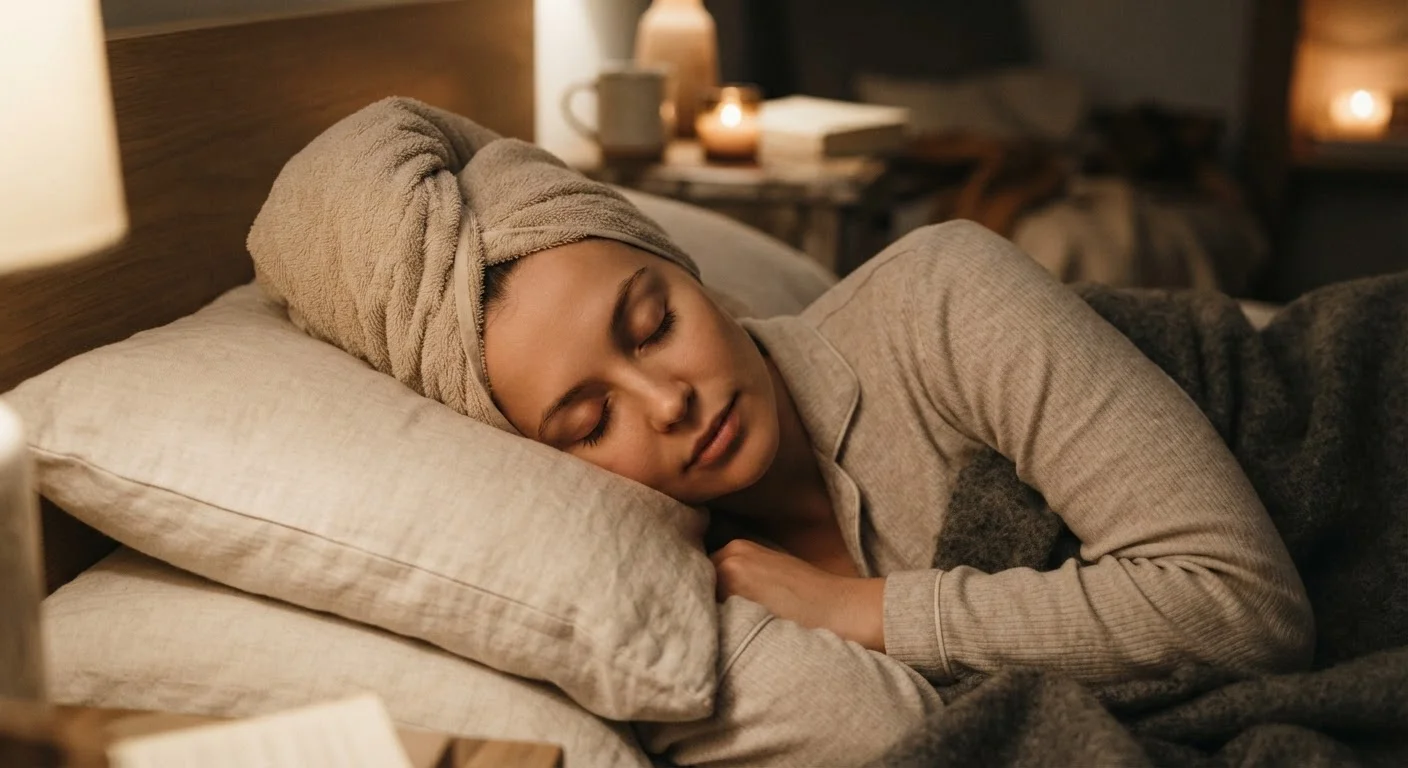
There's also the physical reality of sleeping with product in your hair. Wet or heavily coated hair against a cotton pillowcase generates friction, which can cause tangles and breakage. Using a silk or satin scarf, bonnet, or pillowcase significantly reduces that risk. Keeping product off the scalp — or at least minimizing contact — also prevents pore-clogging and irritation, which matters especially for anyone prone to scalp sensitivity.
3–4%
Average water content of a healthy hair shaft
Hair science literature generally notes that the hair shaft's moisture balance is delicate; products that alter this too aggressively — in either direction — can affect tensile strength and elasticity.
~30 min
Typical recommended mask dwell time
Most commercially available hair masks specify a 10–30 minute application window, meaning overnight use represents a significant departure from intended use instructions.
How to Do It Without Damaging Your Hair
If you've assessed that your hair type is a good fit, technique makes a significant difference. Apply the mask primarily to the mid-lengths and ends, where dryness and damage concentrate. Avoid saturating the scalp unless the formula is specifically designed for scalp use. Secure hair in a loose bun or twist, then cover with a shower cap or silk bonnet to contain the product, preserve your bedding, and maintain a slightly warm environment that can aid absorption.
Rinse thoroughly in the morning — residue that isn't fully removed contributes to buildup over time. How often you incorporate overnight masks should reflect how your hair actually responds: if it feels heavy, limp, or oddly soft after use, scale back frequency. If it feels noticeably more elastic and manageable, you've found a cadence that works. For a fuller picture of where hair treatments sit within a complete routine, our hair care routine guide walks through every step from cleanse to style.
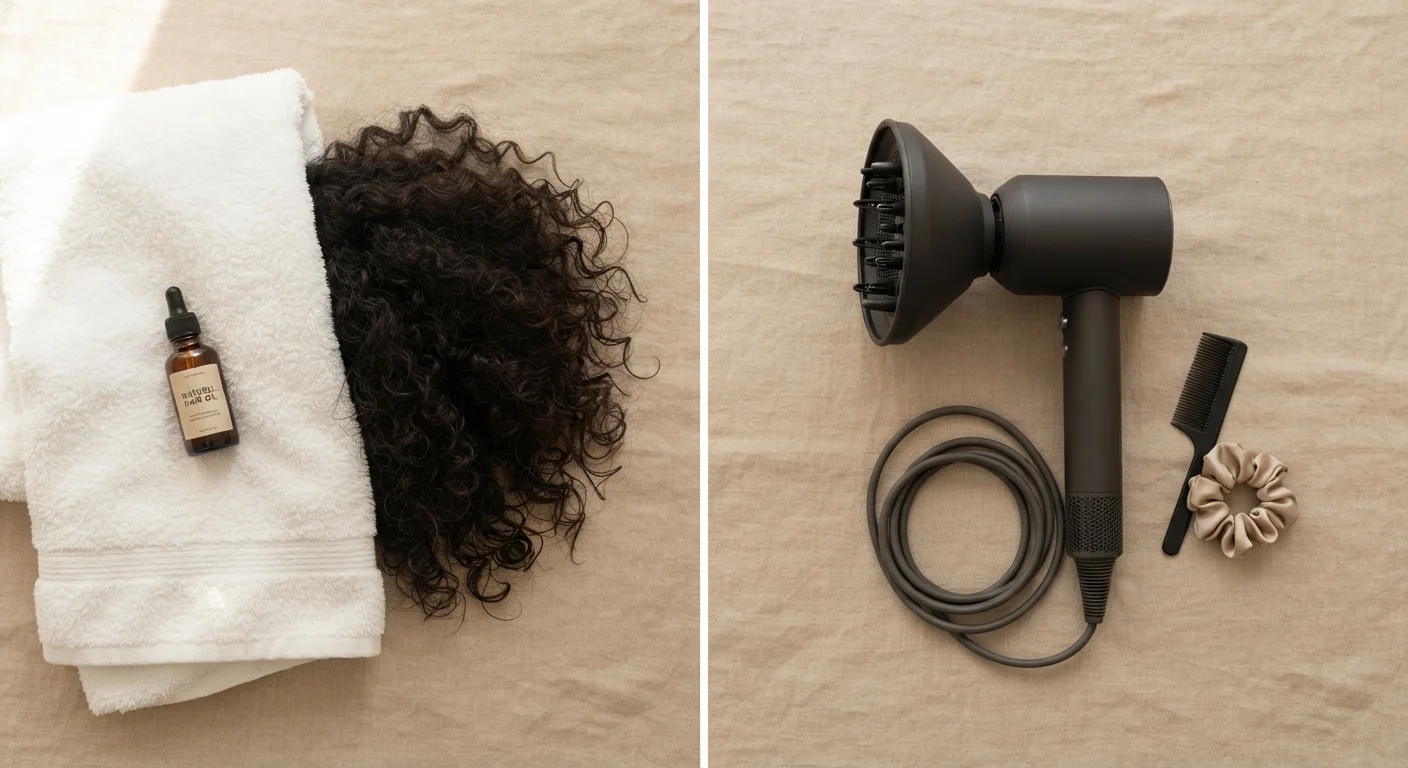
One more variable worth considering: how you handle your hair after rinsing. The air drying vs. blow drying trade-offs article outlines how each drying method affects frizz, damage, and scalp health — useful context when you're already investing effort in a conditioning treatment.