Why These Three Products Are Easily Confused
Walk down any hair care aisle and you'll find bottles and tubs labeled conditioner, deep conditioner, and hair mask often sitting right next to each other. They're all creamy, they all smell similar, and they all promise to improve your hair — so why do you need to know the difference?
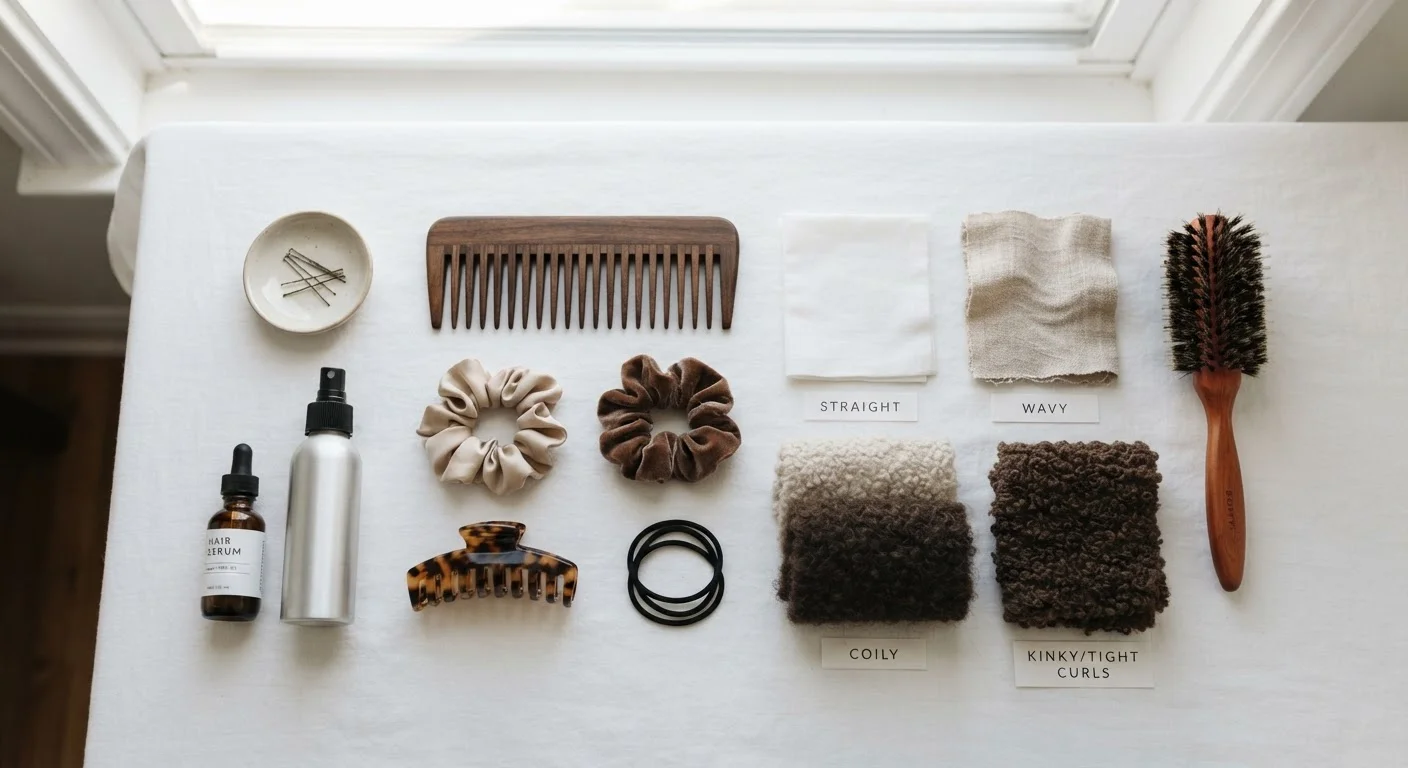
The answer comes down to how deeply each one works, how long it stays on, and what problem it's solving. Using the wrong product — or using the right one incorrectly — can leave hair feeling heavy, still dry, or no better than before. Understanding the distinctions helps you build a smarter routine rather than guessing at the drugstore. For context on how hair type, texture, and density differ, that foundational knowledge shapes which product you'll need most.
Regular Conditioner: Your Everyday Workhorse
Standard rinse-out conditioner is formulated for routine use after shampooing. Its primary jobs are to smooth the hair's outer layer (the cuticle), reduce friction that causes tangling and breakage, and add a light layer of moisture and softness. Most conditioners contain a mix of emollients (oils and fatty alcohols that coat the strand) and humectants (ingredients that attract moisture from the environment).
Because conditioner is designed to be rinsed out within a minute or two, it doesn't need to penetrate deeply. It works on the surface — which is exactly what most hair needs after a normal wash. Fine or low-porosity hair especially benefits from this lighter touch, since heavier treatments can leave those hair types limp and greasy.
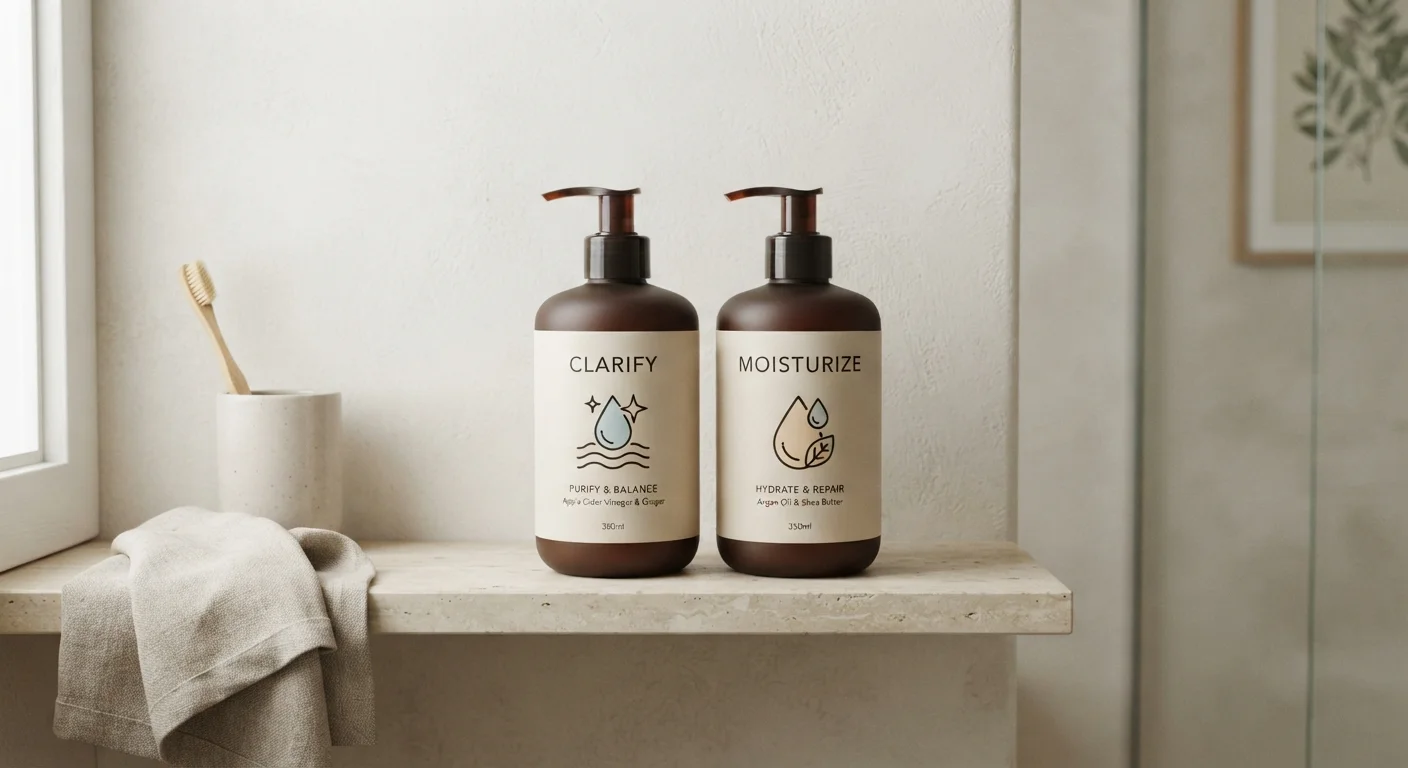
Use it after every shampoo, focusing on mid-lengths and ends. Avoid the scalp unless your hair is very dry or coarse. Pair this step with the right cleansing approach — choosing between clarifying and moisturizing shampoos affects how much work conditioner needs to do.
Applying Conditioner the Right Way
For most hair types, conditioner should be applied from mid-shaft to ends — not the scalp. The scalp produces its own natural oils and doesn't typically need extra conditioning. Focusing product on the lengths and tips maximizes moisture where hair tends to be driest while avoiding unnecessary buildup at the roots.
Deep Conditioner: Going Below the Surface
Deep conditioners are formulated with smaller molecules or higher concentrations of conditioning agents so they can move past the cuticle and reach the cortex — the inner structure of the hair strand. This makes them more effective at improving elasticity, reducing brittleness, and restoring moisture balance in hair that's been dried out by heat, color, bleach, or environmental exposure.
The key variable is time. Deep conditioners typically require 5 to 30 minutes under a shower cap or gentle heat to work effectively. Applying heat (from a hooded dryer or even a warm towel) opens the cuticle slightly, helping ingredients absorb more completely. How often you deep condition depends on your hair's needs: once a week is a reasonable starting point for dry or damaged hair, while healthier hair may only need it every two to four weeks.
If your hair regularly feels dry after conditioning, there are several possible causes worth examining — deep conditioning may be part of the solution, but it's not always the whole answer.
Hair Mask: Intensive Treatment, Not a Replacement
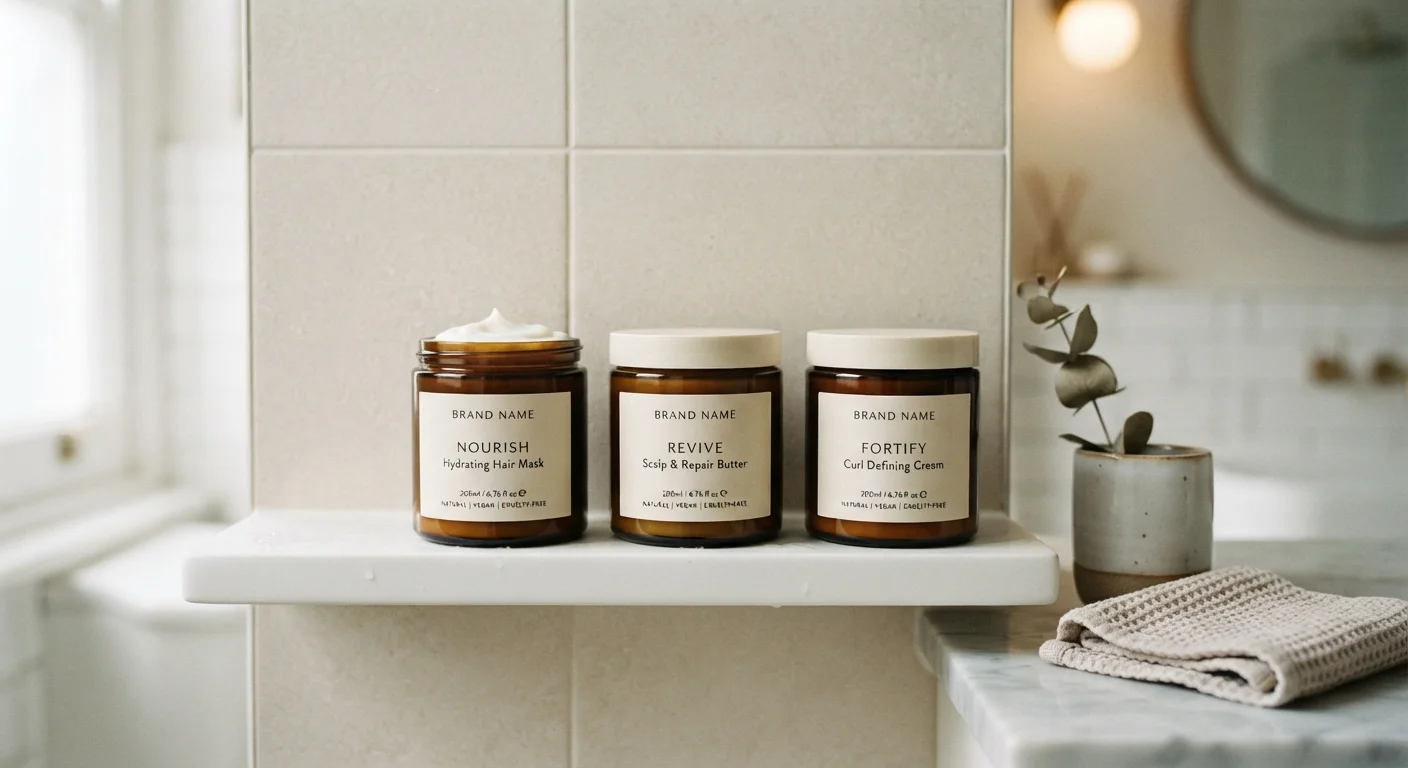
Hair masks sit at the more concentrated end of the conditioning spectrum. They're often thicker in texture and formulated with higher levels of proteins, oils, butters, or bond-repair ingredients. Where a deep conditioner restores general moisture and softness, a mask typically targets a specific concern: severe dryness, high porosity, elasticity loss, or significant heat or chemical damage.
Despite the name suggesting something luxurious and lengthy, a hair mask isn't necessarily left on longer than a deep conditioner. The difference is more about ingredient concentration and specificity than time. Some masks are left on for 20–30 minutes; others are designed for 5–10 minutes. Always follow the product's directions rather than assuming longer equals better — over-saturating hair with protein-heavy masks, for instance, can lead to stiffness and breakage.
Hair masks are generally used less frequently than deep conditioners — often once or twice a month. For those interested in overnight use, it's worth understanding that approach separately: overnight hair masks have specific pros and cons depending on hair type and formula.
| Regular Conditioner | Deep Conditioner | Hair Mask | |
|---|---|---|---|
| Primary function | Detangle, smooth cuticle | Restore moisture and elasticity | Intensive repair or treatment |
| How it works | Surface-level coating | Penetrates hair cortex | High-concentration ingredient delivery |
| Leave-on time | 1–3 minutes, rinse out | 5–30 minutes | 5–30 minutes (product-dependent) |
| Recommended frequency | Every wash | Weekly to biweekly | Once or twice a month |
| Best for | All hair types | Dry, damaged, or color-treated hair | High porosity or severely damaged hair |
| Risk of overuse | Low | Moderate (buildup, heaviness) | Higher (protein overload possible) |
How to Work These Products Into Your Routine
A practical routine doesn't require all three products every wash day. Think of them in tiers: regular conditioner is the baseline, deep conditioner is your weekly or biweekly reset, and hair mask is reserved for intensive repair sessions. Layering all three in the same session is usually unnecessary and can lead to buildup.
For curly, coily, or textured hair that tends toward dryness, deep conditioning after every wash is often warranted rather than occasional. Curly hair has unique needs during the wash process that affect how conditioning products perform. For straight or fine hair, a weekly deep conditioner may be too much — every two to four weeks often gives better results without weighing hair down.
If you're building a hair care routine from the ground up, starting with a reliable conditioner and adding deep treatments only when needed is the most straightforward approach. Pay attention to how your hair feels and looks after each wash — that feedback is more useful than any fixed schedule.
This article provides general hair care information for educational purposes and is not a substitute for advice from a licensed dermatologist or trichologist for scalp or hair health concerns.