
Why Summer Demands a Different Approach
Most people adjust their wardrobe for summer without a second thought, but their hair care routine stays exactly the same — even as the conditions change dramatically. UV radiation degrades the outer cuticle layer of hair, making strands more porous and prone to frizz. Chlorine strips natural oils and can react with mineral deposits to alter color-treated hair. Salt water draws moisture out while simultaneously depositing minerals that roughen the cuticle. Humidity fluctuates in ways that either over-hydrate or paradoxically dehydrate, depending on your hair's porosity.
None of these stressors are cause for alarm, but each responds to different strategies. This checklist walks through every angle — from structural health to your day-to-day product choices — so you're not scrambling once the season is already underway. If you're newer to hair care concepts, our guide to building a routine from scratch provides a useful foundation before diving in.
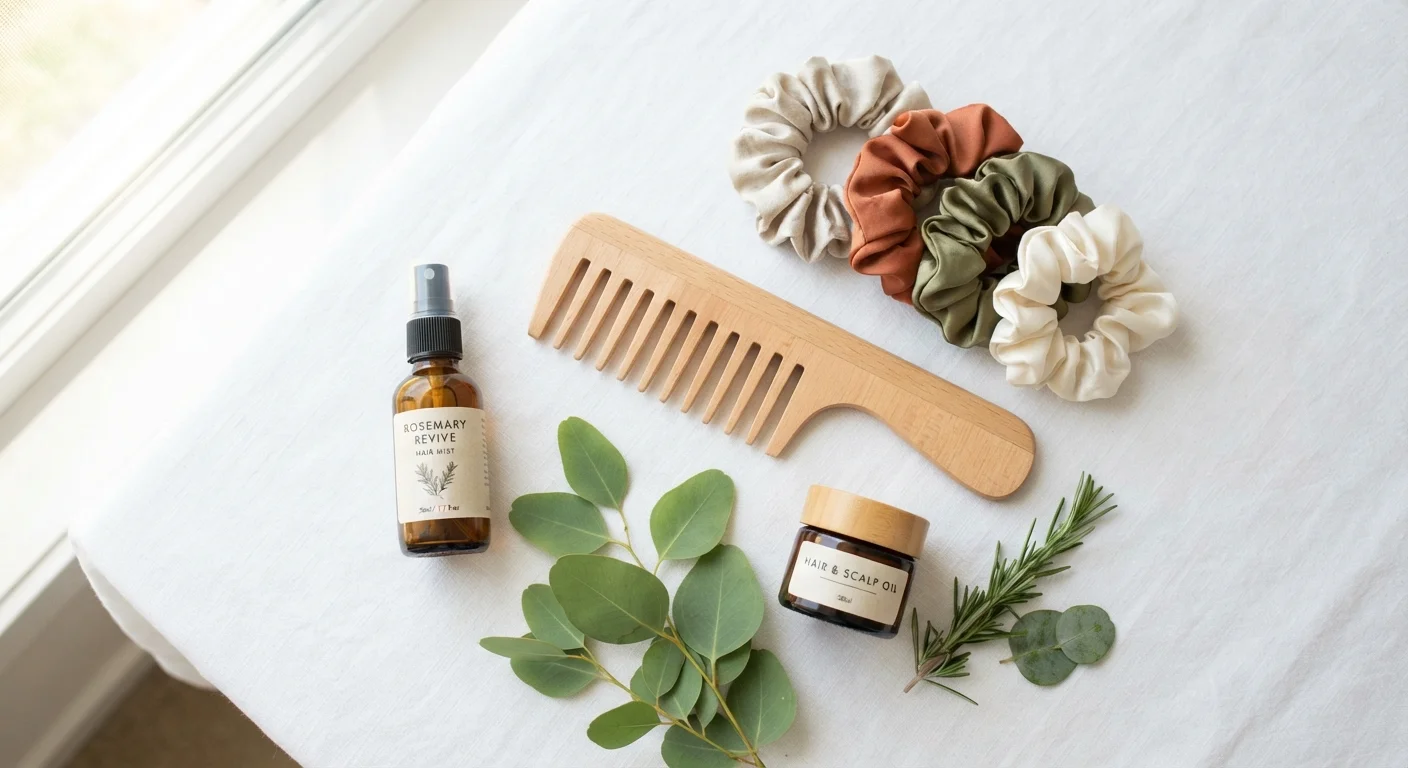
Wide-tooth comb
Detangles damp hair with minimal breakage, especially important when hair is more fragile after swimming or sun exposure.
Clarifying shampoo
Removes chlorine, mineral, and product buildup that accumulates more quickly during summer.
Deep conditioning mask
Restores moisture and temporarily fills gaps in the cuticle after UV, salt, or chlorine exposure.
Leave-in conditioner with UV filters
Provides lightweight daily moisture and a degree of protection against UV-related cuticle degradation.
Satin or silk hair tie / scrunchie
Reduces friction and breakage at the point of contact, particularly relevant for updos worn frequently in summer.
Wide-brimmed hat or UV-protective head covering
Acts as the most reliable physical barrier against UV damage to both scalp and hair.
Pre-Summer Hair Care Checklist
Work through each category below at your own pace. "Must" items are non-negotiable for most hair types; "should" items are strongly recommended; "nice to have" items add polish without being essential.
Structural Health
Moisture and Protein Balance
Sun and UV Protection
Pool and Ocean Prep
Humidity and Frizz Management
Clarifying Shampoos Can Over-Strip
Clarifying shampoos are effective at removing buildup, but using them too often — more than once or twice per week — can strip the scalp's natural oils, leading to dryness and increased breakage. Always follow with a moisturizing conditioner, and dial back frequency if your scalp feels tight or your ends feel rough after washing.
A Note on Products and Ingredients
Summer often prompts a product refresh, but more products don't automatically mean better results. Focus on two or three targeted additions rather than overhauling your entire shelf. UV-filtering leave-ins, a clarifying shampoo for post-pool use, and a heavier moisturizing mask are typically sufficient for most people.
When reading labels, look for ingredients that signal what a product actually does rather than relying on marketing claims. Our plain-language hair ingredient glossary decodes sulfates, silicones, humectants, and other terms you'll encounter on packaging.
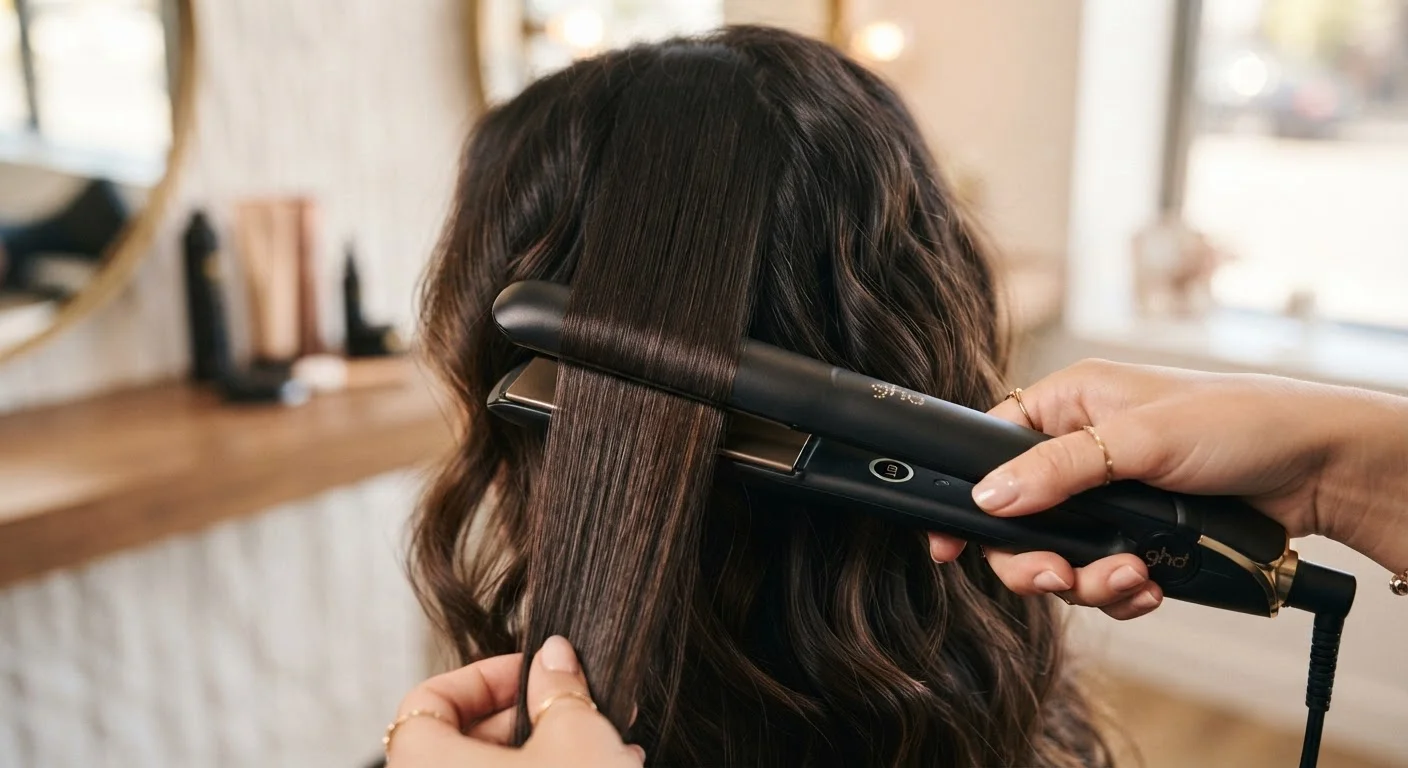
It's also worth revisiting your heat styling habits. Summer heat combined with styling tools can push hair past its tolerance threshold. Separating heat styling myths from reality can help you calibrate how much — or how little — tool use your hair can handle this season. And if you're considering protective styles for the warmer months, Protective Styles 101 covers how to maintain them so they actually protect rather than stress the hair.
This article is for general informational purposes only and does not constitute professional medical or dermatological advice. If you have scalp conditions or hair loss concerns, consult a qualified healthcare provider.