How Ocean Cruise Ships Are Organized
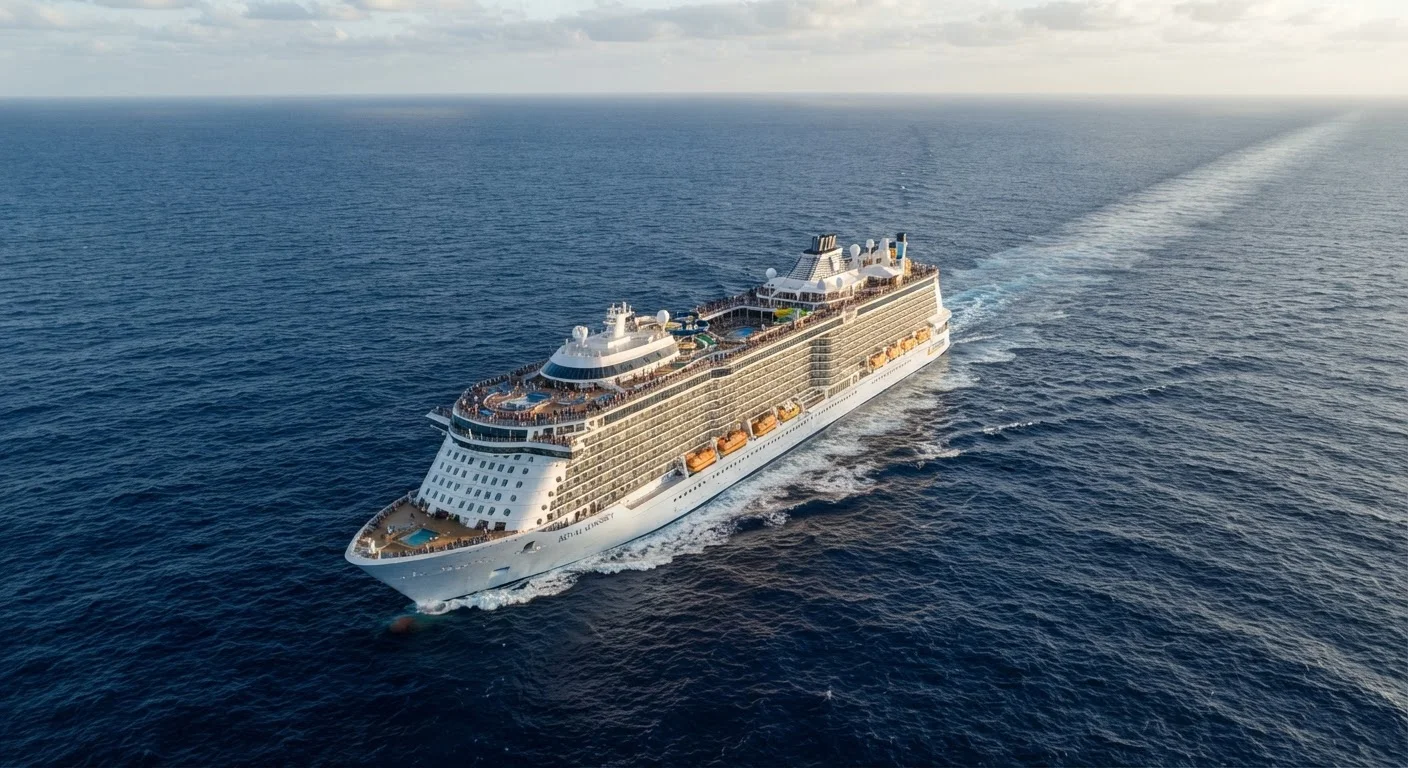
Stepping aboard a large ocean cruise ship for the first time can feel disorienting — these are floating cities, some stretching over 1,000 feet in length across 18 or more decks. Understanding the basic layout quickly transforms that overwhelm into confidence.
Ships are divided into decks numbered from the waterline upward, and most use consistent zone logic: public spaces like the main dining room, buffet, pool areas, and theater typically occupy mid-ship and upper decks, while cabins fill the lower and mid decks running bow to stern. The atrium, usually a multi-story central hub, serves as a natural landmark for navigation.
Embarkation
The process of boarding the cruise ship at the departure port, including check-in, security screening, and receiving your cabin key card.
Tender port
A destination where the ship anchors offshore because docking isn't possible, and passengers travel to shore on small shuttle boats called tenders.
Sea day
A full day at sea with no scheduled port stop, spent entirely aboard the ship.
Onboard account
A running tab linked to your cabin card that accumulates charges for drinks, specialty dining, spa services, and other extras throughout the voyage.
Port fees
Charges levied by port authorities for the ship's use of docking facilities, sometimes bundled into the fare and sometimes itemized separately.
Stateroom category
The cabin type you book — interior (no window), ocean view (window), balcony, or suite — which determines price, size, and amenities.
Cabin categories range from interior rooms with no windows to balcony staterooms and full suites. Interior cabins are the most affordable and, contrary to some assumptions, can be perfectly comfortable for travelers who plan to spend most of their time outside the room. If you're considering the tradeoffs of ship size for your first voyage, our overview of large cruise ship tradeoffs covers what bigger vessels do exceptionally well and where they fall short.
What Your Fare Actually Covers
One of the most persistent sources of first-timer surprise is the gap between the advertised fare and the final onboard bill. Understanding this structure before you sail is genuinely useful.
A standard cruise fare generally includes your cabin accommodation, meals in the main dining room and ship buffet, onboard entertainment (shows, live music, pools, fitness center access), and port fees in most cases. What it typically does not include: alcoholic and specialty beverages, specialty restaurant dining, gratuities, shore excursions booked through the line, Wi-Fi packages, spa services, and casino activity.
Prepay Gratuities Before You Sail
Many cruise lines allow passengers to prepay daily service charges before departure, which removes a significant variable from your onboard bill. Doing so also simplifies budgeting since you'll know that cost is already settled. Check your booking confirmation or contact the line directly to confirm the current daily rate and prepayment options.
Gratuities deserve particular attention. Most lines either automatically charge a daily service amount per person to your onboard account or allow you to prepay before sailing. Ignoring this line item is one of the most common ways first-timers are caught off guard. For a deeper look at where shipboard costs quietly accumulate, see why cruisers overspend onboard.
Understanding Ports, Sea Days, and Itineraries
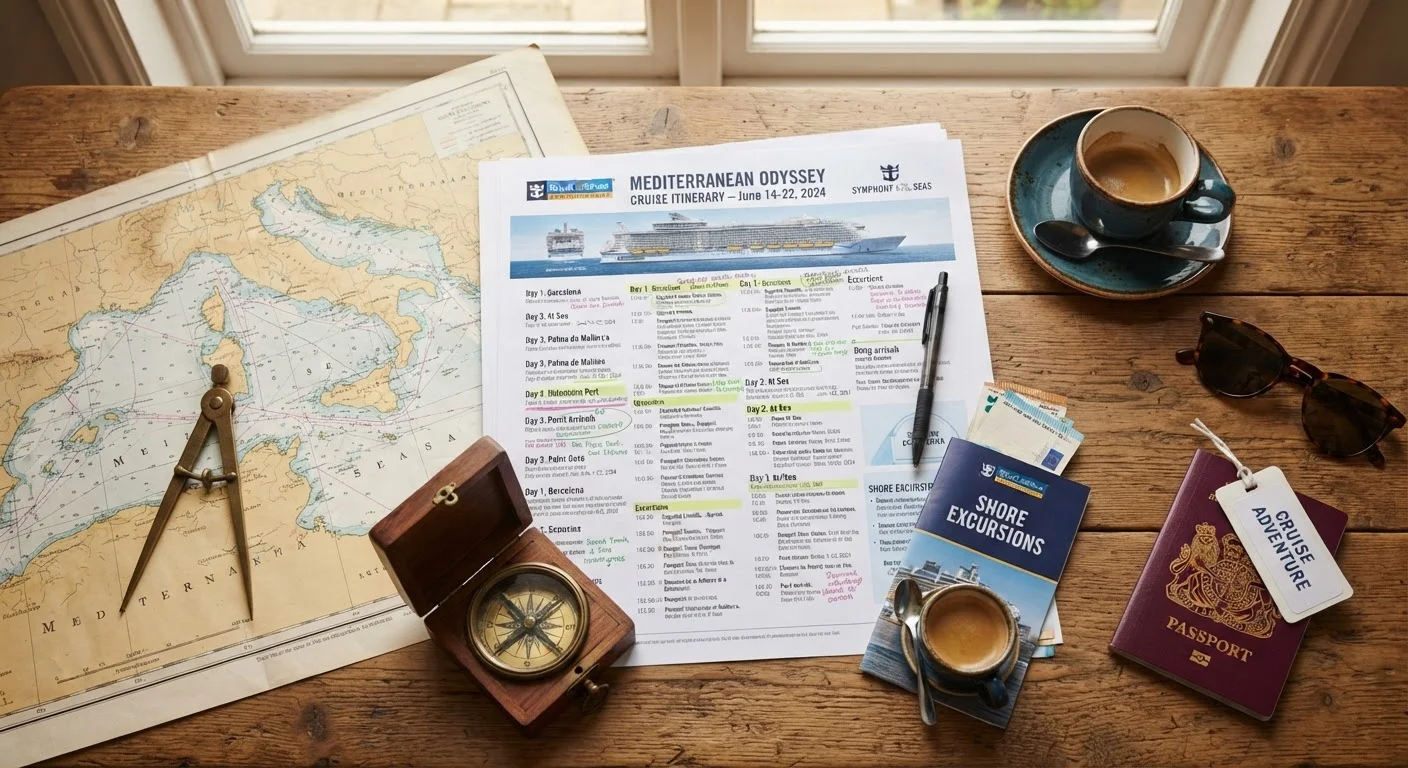
A cruise itinerary is more than a list of destinations — it's a schedule that shapes the entire rhythm of your trip. Learning to read one carefully before booking matters more than most first-timers realize.
Port days list an arrival and departure time, but the usable hours ashore are often shorter than they appear. Ships typically begin boarding passengers for return well before the official departure. Some stops are tender ports, meaning the ship anchors offshore and small shuttle boats carry passengers to the pier — a process that can take 30–45 minutes each way and may be suspended in rough conditions.
Sea days — full days at sea with no port stop — are a defining feature of longer itineraries and suit travelers who enjoy the ship itself as the destination. They allow time to explore amenities, attend onboard programming, and decompress. Our guide to reading a cruise itinerary walks through the details that most travelers overlook at the booking stage.
Life Onboard: Routines, Dining, and Activities
Daily life on an ocean cruise follows a loose but recognizable rhythm. Mornings tend to see a rush toward the buffet, afternoons slow down as passengers settle into pool decks or shore excursions, and evenings center on dinner and entertainment. Ships publish a daily program — sometimes called a "Compass" or "Patter" depending on the line — delivered to your cabin each night for the following day.
Dining options vary significantly by ship and line. The main dining room operates on set or flexible seating schedules, while the buffet is open through most of the day. Specialty restaurants — steakhouses, sushi bars, tasting menus — require reservations and carry an additional per-person charge. For passengers concerned about dietary needs or maintaining healthy eating habits at sea, it's worth knowing that most ships accommodate common dietary restrictions when notified in advance; you can also find general guidance on food choices through resources like our nutrition and diet hub.
Activities range from trivia and cooking demonstrations to fitness classes and theatrical productions. Staying active is genuinely possible; most ships have well-equipped gyms and running tracks, and our fitness and exercise hub offers general routines adaptable to limited spaces.
Health, Safety, and Practical Preparations
Ocean cruising involves real logistical preparation that first-timers sometimes underestimate. Travel documents top the list: while some closed-loop U.S. itineraries allow travel with a birth certificate and government-issued ID, a valid passport is strongly recommended for virtually all international sailings. Entry requirements at individual ports can differ — verify current requirements through official government sources before your departure date, as rules change.
Travel insurance is worth serious consideration. Standard health insurance plans often provide limited or no coverage at sea or in foreign ports, and medical evacuation from a ship can be extraordinarily costly. Policies vary widely, so read coverage details carefully and consult a licensed insurance professional about your options.
Onboard Medical Care Has Limits
Ship medical centers can treat injuries and common illnesses but are not equipped for complex or emergency surgical procedures. In serious situations, medical evacuation to a shoreside hospital may be necessary — a process that can cost tens of thousands of dollars without adequate insurance. Consult your doctor before sailing and review your travel insurance policy carefully to understand what is and isn't covered at sea.
Passengers with existing health conditions should plan ahead with particular care. Onboard medical facilities can handle many situations but are not full hospitals. For a thorough look at what to prepare if you have a chronic health condition, see cruising with a chronic health condition. If you're curious how ocean cruising compares to other formats before committing, our river cruise vs. ocean cruise comparison and common cruising myths article are useful starting points.
This article is for general informational purposes only and does not constitute medical, financial, legal, or insurance advice. Verify travel requirements, health guidance, and insurance coverage with qualified professionals and official sources before sailing.