
Ship Size and the Passenger Experience It Creates
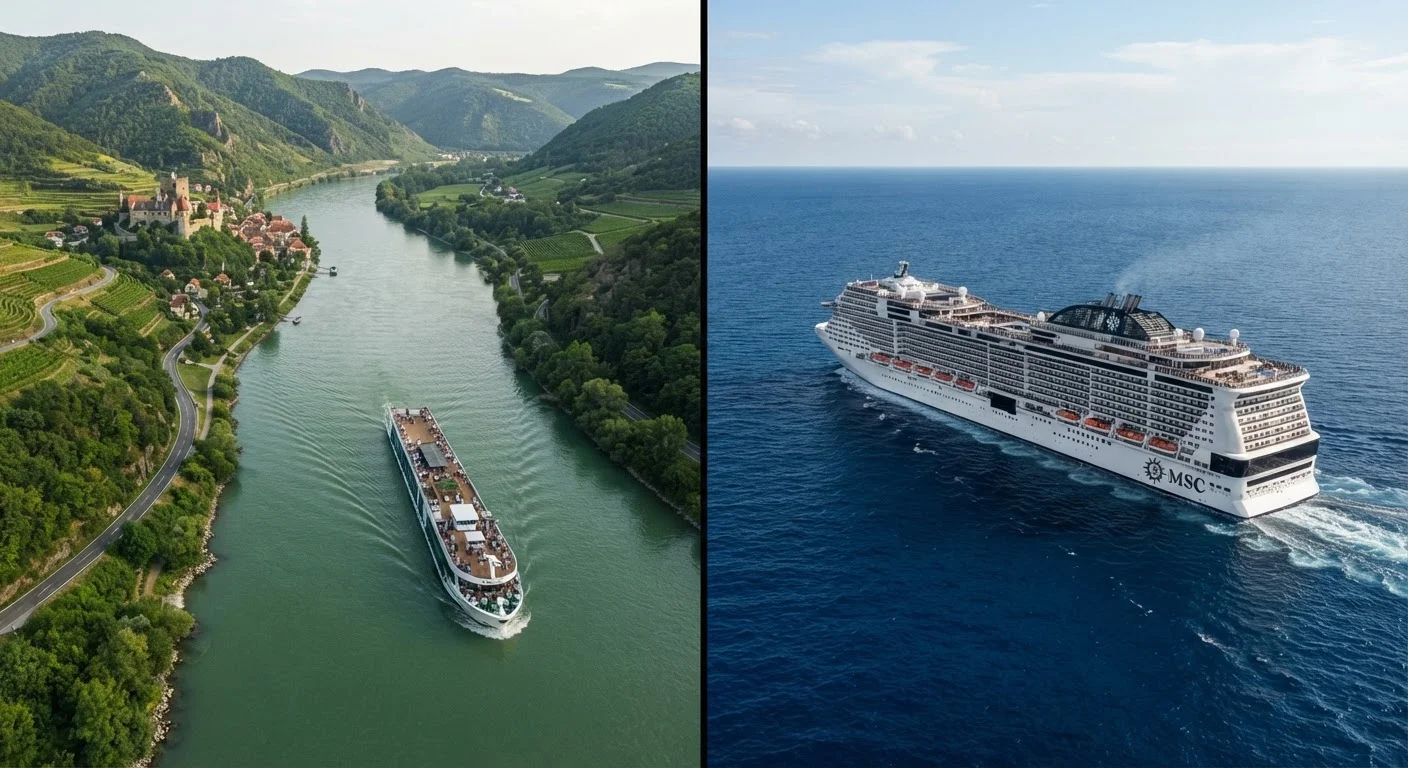
The most immediate difference between river and ocean cruising is the vessel itself. River ships are constrained by the width of locks and the depth of inland waterways — a typical European river ship might be 360 to 450 feet long but only about 37 feet wide, carrying between 100 and 200 passengers. That physical scale shapes everything: there are no casinos, no rock-climbing walls, no multiple pools. What passengers get instead is a quieter, more focused environment where fellow travelers are easy to meet and staff-to-guest ratios tend to be high.
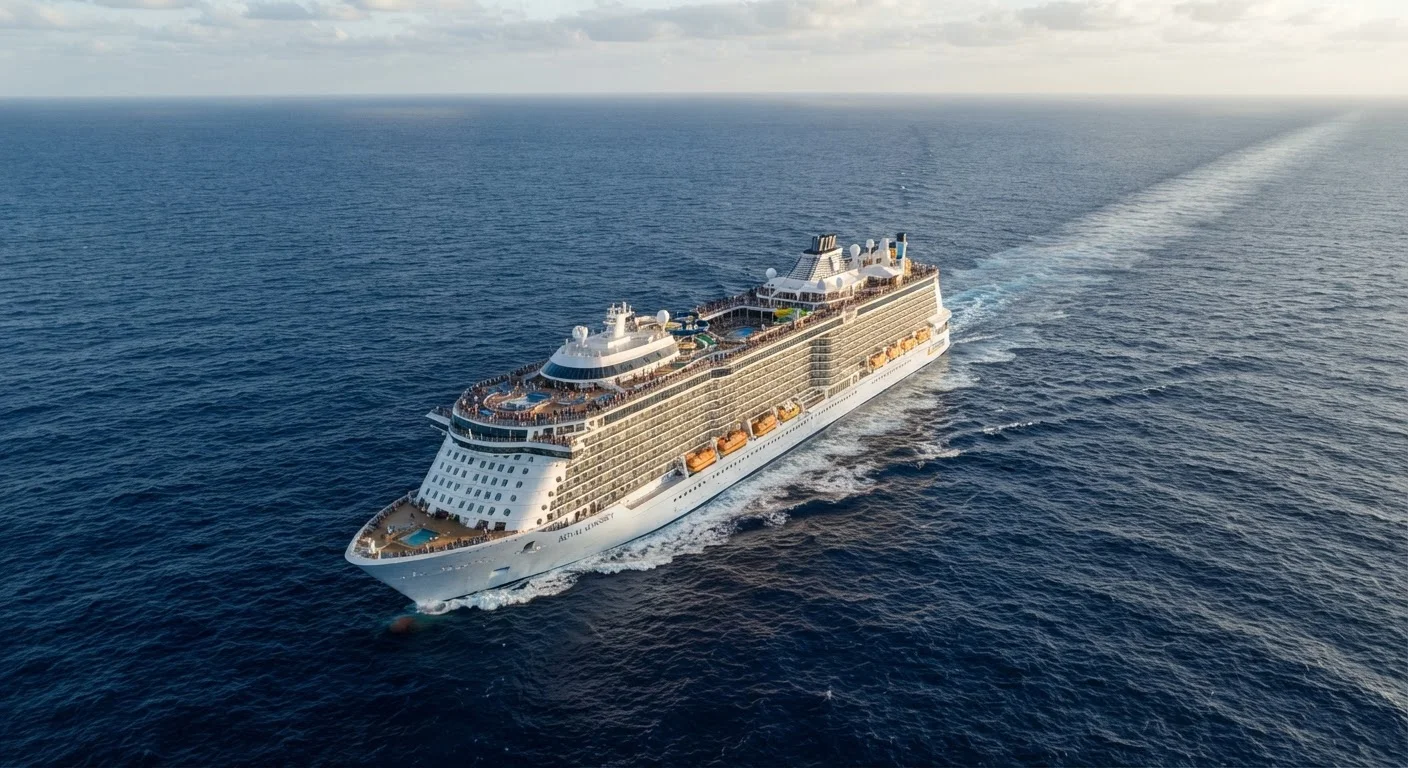
Ocean ships exist on an entirely different scale. Large cruise ships can carry 3,000 to 7,000 passengers across a vessel the length of several city blocks. That size unlocks an amenity catalog — specialty restaurants, Broadway-style shows, spas, surf simulators — but it also means crowds, longer waits, and a more resort-like atmosphere than a traditional seafaring one. Neither scale is inherently superior; they serve different temperaments.
| Criterion | River Cruise | Ocean Cruise |
|---|---|---|
| Typical passenger count | 100–200 | 500–7,000+ |
| Geographic range | Inland waterways, one region | Global, multiple continents |
| Port access | Often city center docking | Cruise terminals, sometimes tenders |
| Excursions in fare | Usually included | Typically sold separately |
| Onboard amenities | Limited — lounge, dining, sun deck | Extensive — pools, shows, specialty dining |
| Motion sensitivity risk | Very low | Moderate to high, route-dependent |
| Average voyage length | 7–14 days | 3–20+ days |
Itineraries, Ports, and How You Actually See the Destination
River cruises are, almost by definition, destination-forward. Ships dock overnight in many ports, allowing passengers to spend evenings in city centers — strolling along the Danube's riverbanks or dining in Bordeaux's old town long after a conventional bus tour would have departed. The itinerary is linear: the ship moves from city to city along a single waterway, typically covering one region in depth rather than skipping across continents.
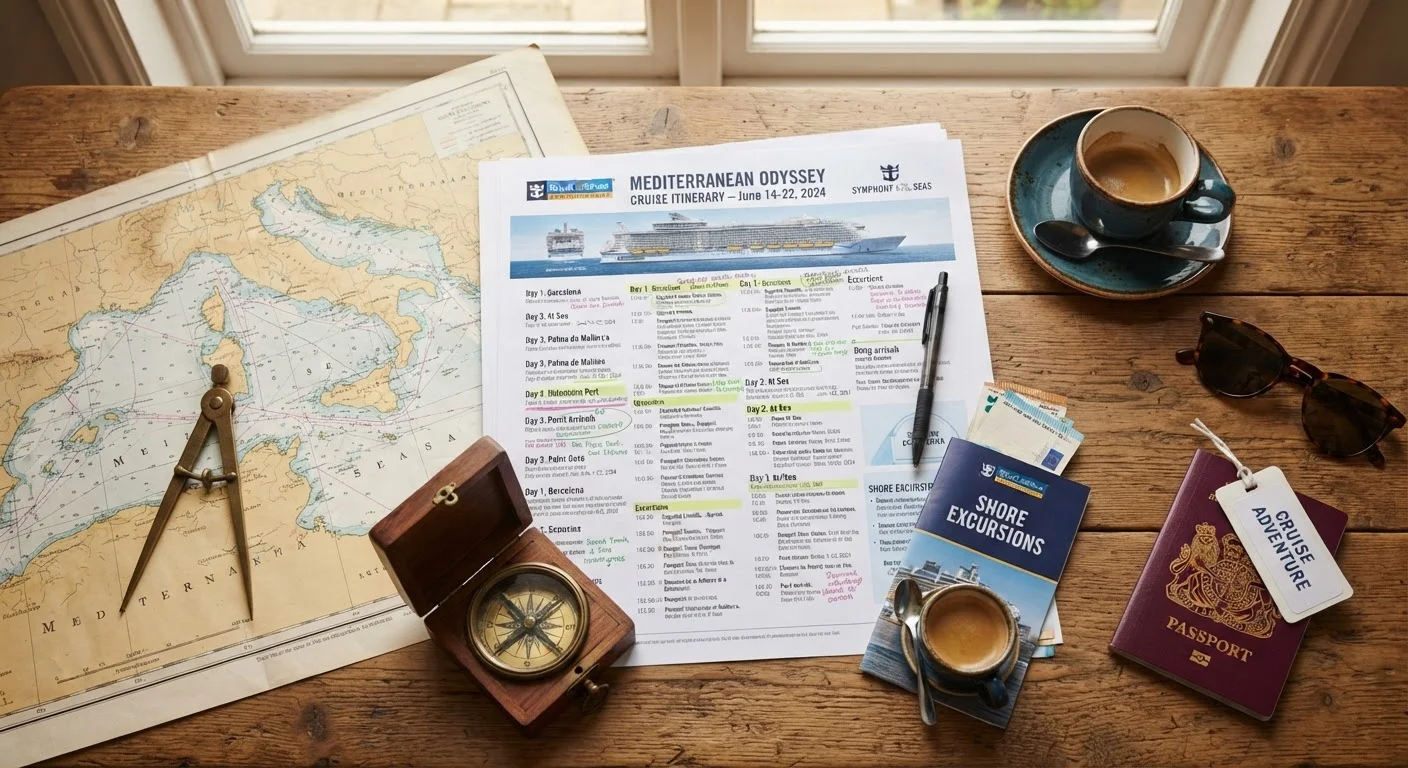
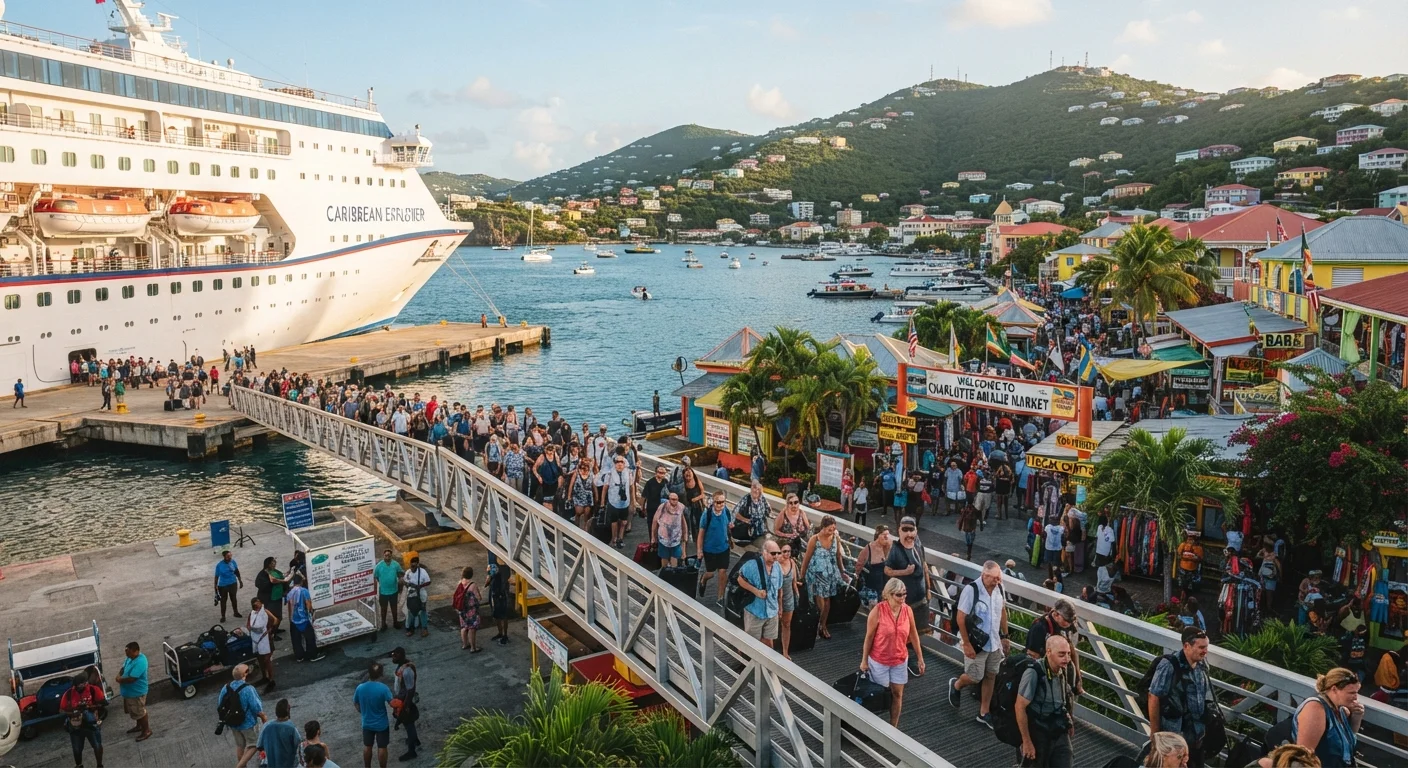
Ocean cruises offer breadth. A two-week Mediterranean itinerary might touch five or six countries, while a Caribbean voyage can island-hop across several nations. That variety appeals to first-time visitors who want a sampler across a region. Understanding how to read a cruise itinerary — including port times and sea days — is important, because time in port on an ocean ship can be shorter than it appears on paper. Many large-ship ports also require tenders (small boats) or docking far from the city center, adding transfer time. Shore excursions on both types of cruise deserve careful planning before sailing.
~190
Average river ship passenger capacity
Most European river ships are designed to carry between 100 and 200 guests, a limit driven by waterway infrastructure.
3–7 hrs
Typical ocean ship time in port
Port schedules and turnaround logistics often limit the usable time ashore on standard ocean itineraries.
130+
Countries reachable by ocean cruise
Major ocean cruise lines collectively offer itineraries spanning every inhabited continent and dozens of island nations.
Pricing Structure: What's Included and What Isn't
Fare comparisons between river and ocean cruises often mislead because the two formats bundle costs differently. River cruise fares tend to include shore excursions, a selection of beverages with meals, Wi-Fi, and gratuities. The higher headline price frequently reflects a more complete package. Ocean cruise base fares, by contrast, are often lower — but specialty dining, drink packages, gratuities, Wi-Fi, and excursions are frequently sold separately, and those additions can substantially raise the final cost.
What "all-inclusive" actually means on a cruise varies significantly by line and product, so reviewing what each fare explicitly covers before comparing prices is essential. On either type of cruise, travelers should also consider cruise-specific travel insurance, which handles situations — like missed port departures or medical evacuations at sea — that standard travel policies may not address.
Insurance Considerations Apply to Both
Whether you sail a river or an ocean, standard travel insurance policies may not cover cruise-specific scenarios such as missed ship departures, itinerary changes due to low water levels on rivers, or emergency medical evacuation at sea. Reviewing the specific terms of any policy against your actual itinerary is worthwhile before you sail. This is general information, not personalized insurance or financial advice — consult a licensed professional for guidance specific to your situation.
Comfort, Motion, and Who Each Format Suits
Ocean voyages cross open water, and conditions vary considerably by region and season. Crossings through the North Atlantic or Drake Passage can involve significant swell; even Mediterranean sailings can turn rough. River cruising, by contrast, takes place on sheltered inland waterways where wave motion is essentially absent — a meaningful consideration for travelers who are prone to seasickness or who simply prefer a steadier environment.
The social atmosphere also differs. River ships have a single dining room, a lounge, and a sun deck — a structure that naturally draws passengers together. Evenings are typically quieter and conversation-driven rather than show-oriented. Ocean ships offer the opposite: enough scale that passengers can spend a week aboard and never cross paths. For travelers exploring specialty travel experiences or seeking something more niche, river cruising can feel closer in spirit to a small-group land tour than a conventional cruise. Those drawn to the scale of ocean ships may also want to consider how it compares to a chartered yacht experience, which sits at the opposite end of the ocean travel spectrum.