
Why Ships Move — and How That Creates an Opportunity
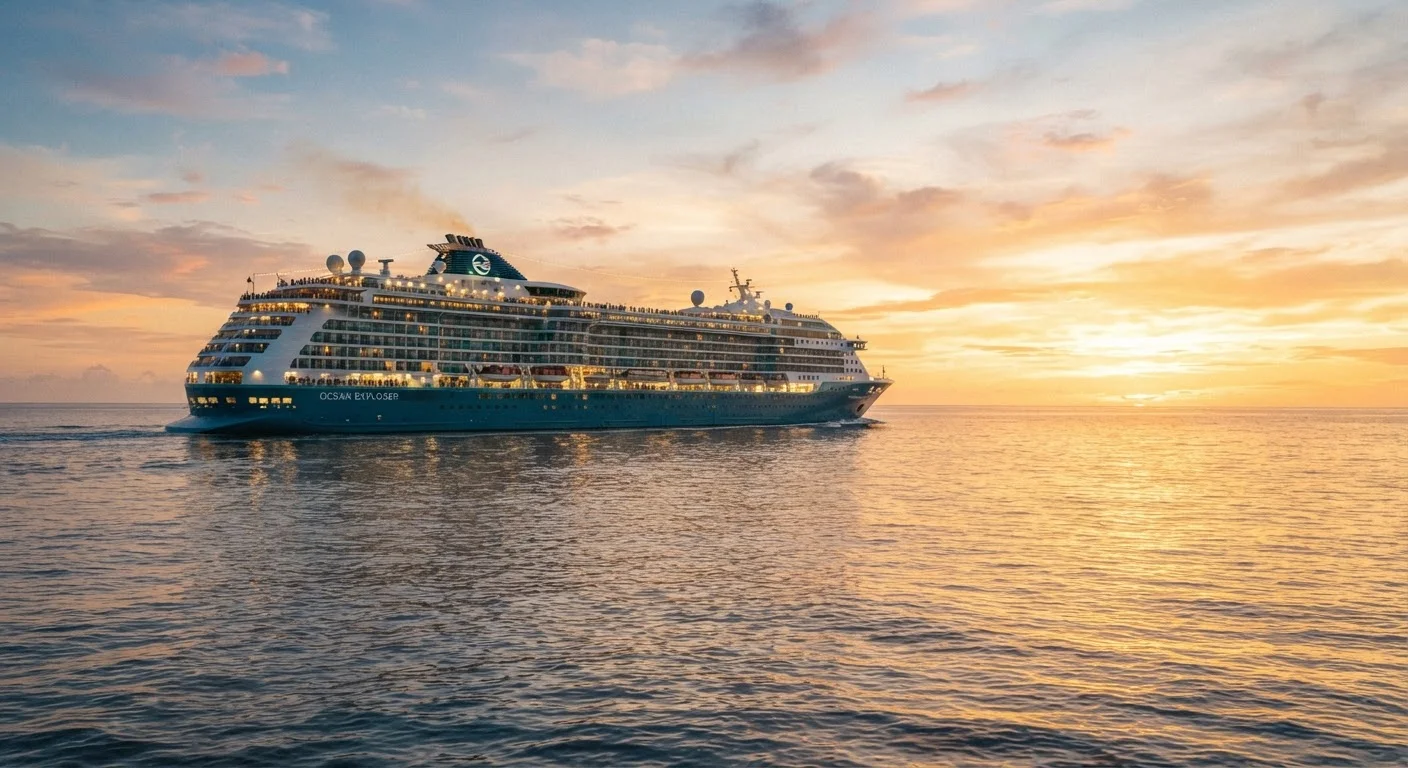
Cruise ships don't stay in one place year-round. A vessel spending summer in the Mediterranean needs to be somewhere warmer when European demand cools — typically the Caribbean or South America. Getting the ship from Point A to Point B requires an actual sailing, not an empty transit. That sailing is what becomes a repositioning cruise.
Rather than deadheading across an ocean with no passengers, cruise lines sell cabins on these functional voyages. The result is an itinerary that genuinely goes somewhere — often crossing the Atlantic, Pacific, or sailing between North America and Australia — while also serving a real logistical need. It's a practical arrangement that opens a distinctive kind of voyage to travelers willing to think a little differently about how they plan a trip.
If you're still building your foundational understanding of how cruising works, the overview of ocean cruising for first-timers covers the basics of ship life, fares, and port logistics.
What the Experience Actually Looks Like
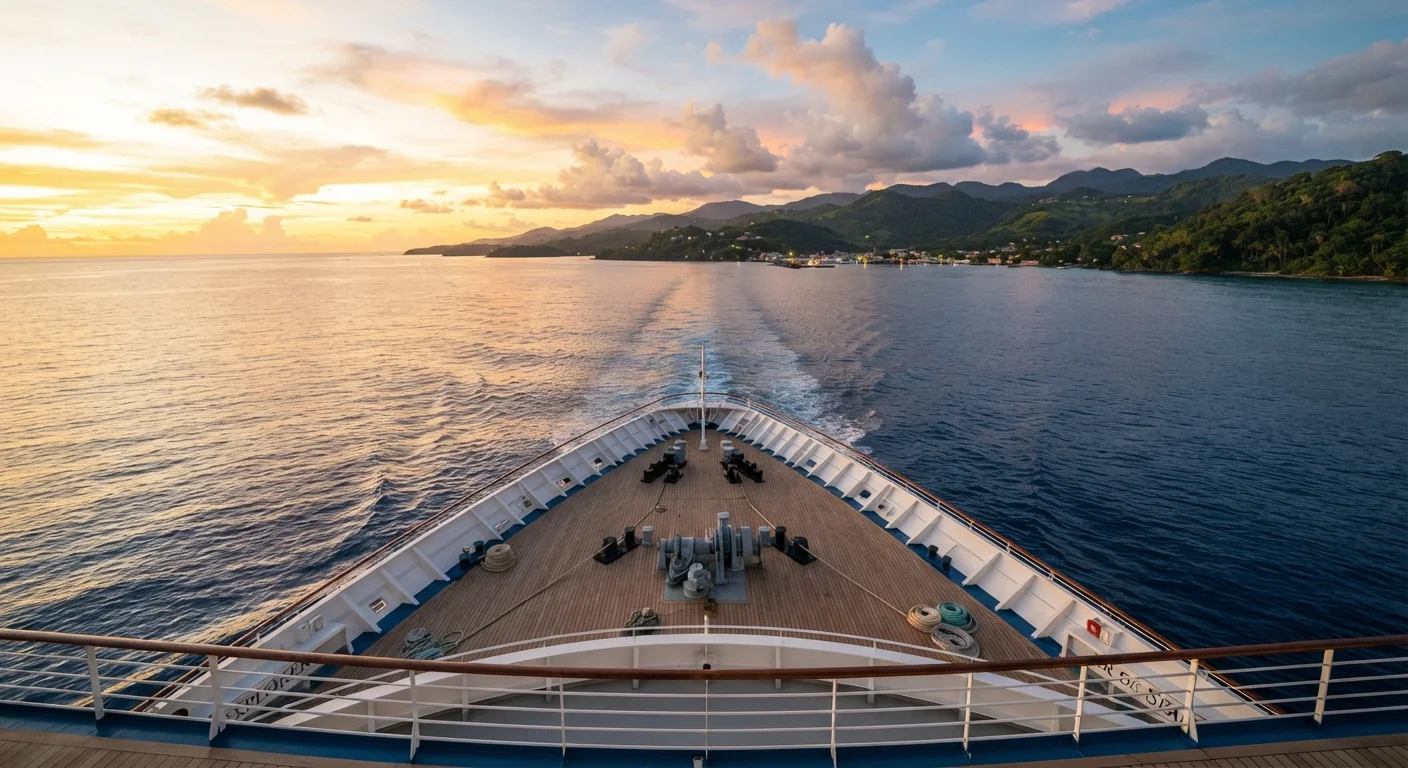
The defining feature of most repositioning cruises is sea days — lots of them. A transatlantic repositioning, for instance, might include four to seven consecutive days at sea with no port stops at all. This is a fundamentally different rhythm from a Caribbean or Alaska sailing where you're in port nearly every day.
For passengers who love the ship itself — the programming, the food, the social atmosphere, the simple pleasure of watching the horizon — this is the point, not a drawback. Cruise lines often expand their enrichment offerings on longer sea passages: guest lecturers, cooking workshops, language lessons, and film screenings fill the schedule. The pace is slower and more deliberate.
“The sea day is where the cruise ship earns its keep. You're not rushing to get off at a port — you're finally living on the ship the way it was meant to be used.”
— Douglas Ward, Author, Berlitz Complete Guide to Cruising and Cruise Ships
The port stops that do appear on repositioning itineraries can be genuinely unexpected. A transatlantic route might pause in the Azores, the Canary Islands, or Madeira — places that rarely appear on standard Caribbean or European sailings. A Pacific repositioning might include Hawaii, Samoa, or Fiji. These aren't throwaway stops; they're often among the more memorable parts of the journey.
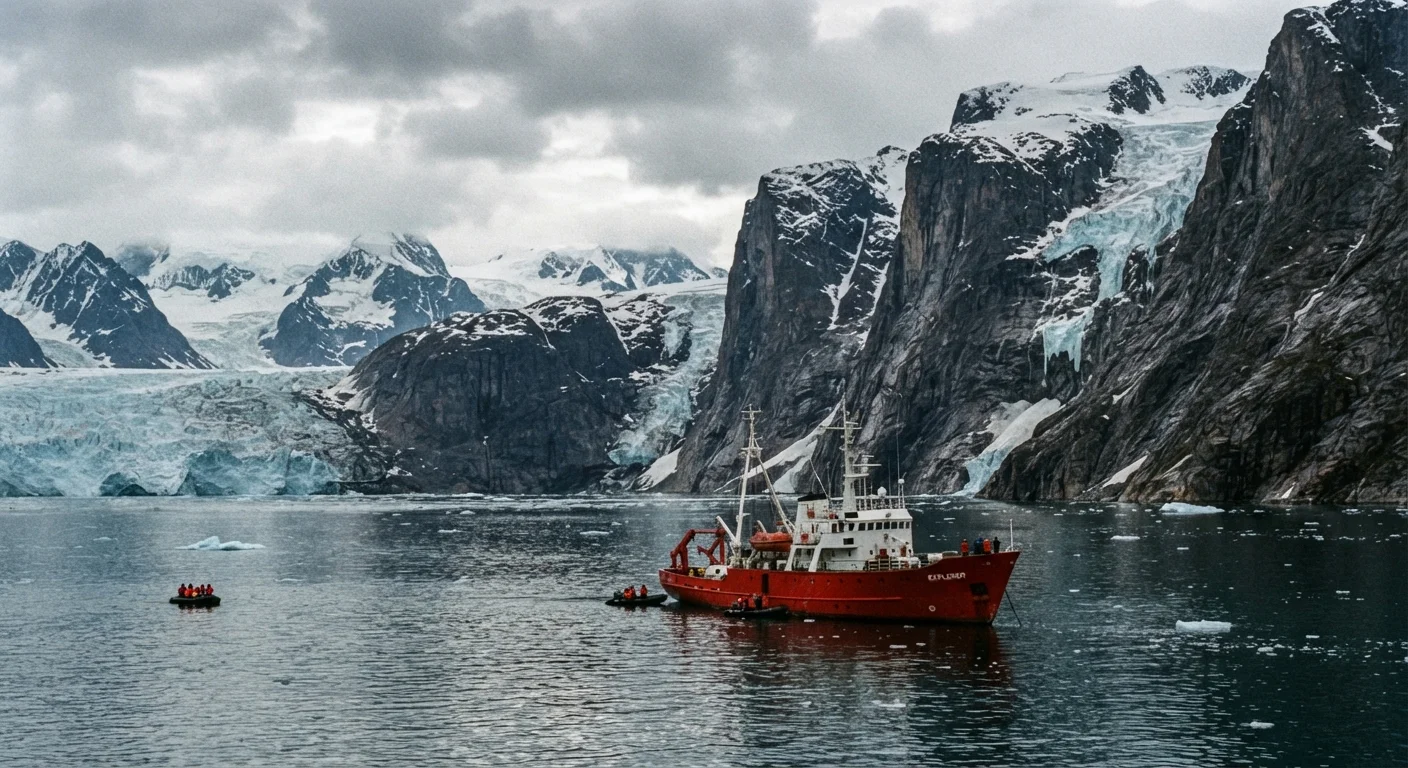
It's worth noting that this style of travel contrasts sharply with expedition cruising, which prioritizes remote destinations over onboard comfort. For a clear sense of how those experiences differ, see the comparison of expedition and traditional cruising.
The Fare and Logistics Trade-Off
Repositioning cruises frequently carry lower per-night fares than equivalent round-trip sailings. Because they are one-way voyages marketed to a narrower audience — people willing to fly into one city and out of another — cruise lines price them to move inventory. The savings can be meaningful for a 14- or 18-night voyage.
7–14
Typical consecutive sea days on a transatlantic repositioning
Transatlantic repositioning cruises often involve multi-day open-ocean passages with no port calls, making them among the most sea-day-heavy itineraries in mainstream cruising.
10–25 nights
Common total voyage length for repositioning sailings
Repositioning cruises vary widely in duration depending on the ocean being crossed and the number of intermediate port stops included in the itinerary.
However, the one-way nature introduces a real logistical puzzle. You fly into your embarkation city and need to get home from your disembarkation city — or vice versa. Depending on where the ship starts and ends, one of those flights could be a long-haul international trip. Travelers who don't plan this carefully can find that airfare costs erode the fare advantage significantly.
A few strategies help. Booking the repositioning as the centerpiece of a longer trip — spending time in the embarkation or disembarkation city before or after — can turn a logistical challenge into an itinerary feature. Some passengers book segments of a longer repositioning rather than the full voyage, which can simplify the flight math.
The common misconceptions about cruise costs and value is a useful reference for understanding what's actually included in cruise fares and where unexpected expenses often appear.
Who Repositioning Cruises Suit — and Who They Don't
Repositioning sailings are a genuinely good fit for a specific kind of traveler. Retirees and others with flexible schedules often find the longer voyages manageable and appealing. Avid readers, people who work well remotely, and passengers who treat sea days as the core of the experience — rather than a gap between ports — tend to come away satisfied.
Consider Your Flight Routing Early
Because repositioning cruises are one-way, flight planning should happen before you finalize a booking. Identify both the embarkation and disembarkation cities and price out realistic air options for both ends of the trip. Building in extra time at either city can turn a logistical challenge into an extended travel experience.
They're less suited to travelers who measure a cruise's value by how many destinations they visit, or who find multi-day stretches without a port restless. Families with children in school have obvious schedule constraints, and anyone who gets seasick easily should carefully consider that extended ocean crossings expose passengers to open-water conditions for longer periods. Weather and sea state can vary considerably depending on the crossing and the time of year.
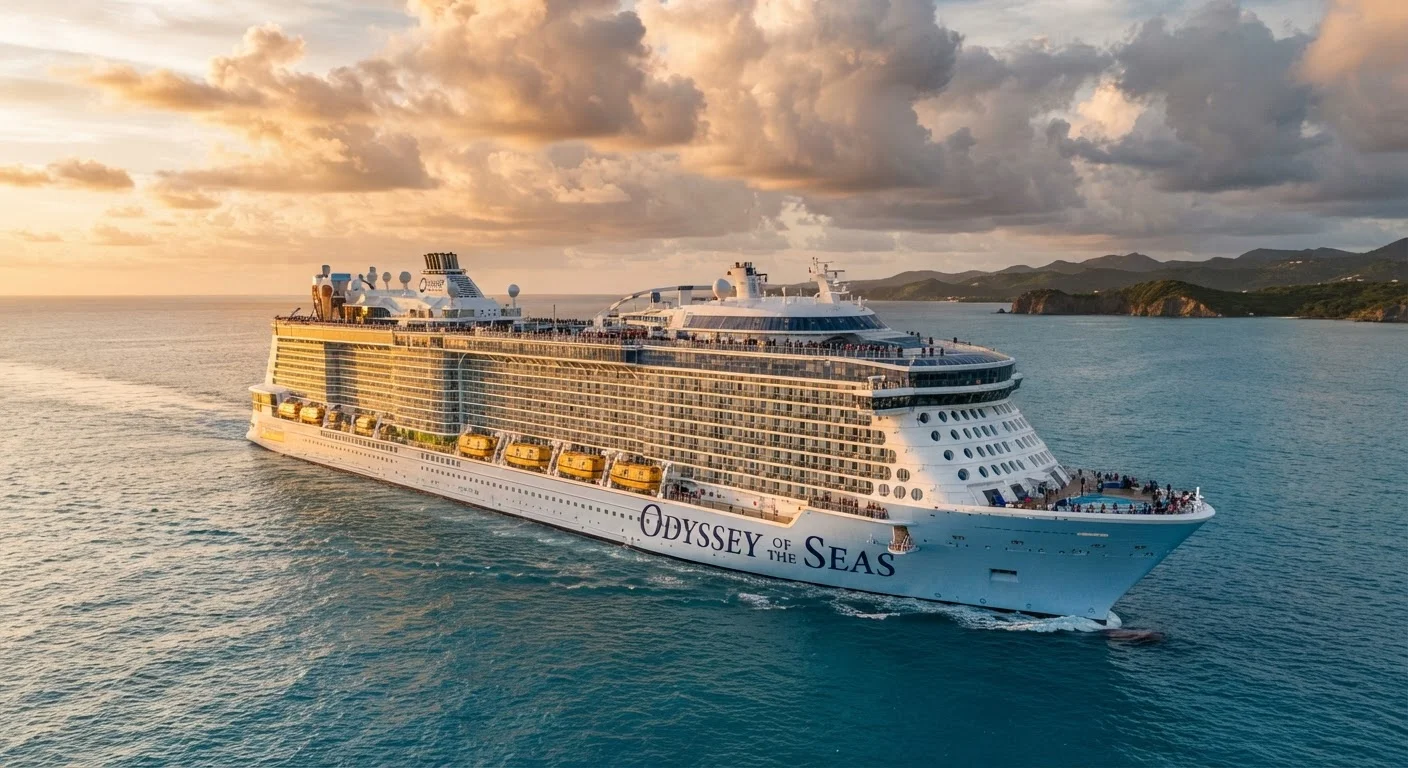
If the balance of onboard amenities versus port access is something you're weighing more broadly, the tradeoffs of sailing on a large cruise ship explores how ship size affects both the onboard experience and the destinations accessible to you.
This article is for general informational purposes. Travel conditions, fares, and itineraries change frequently. Verify current schedules, entry requirements, and pricing directly with cruise lines and relevant official sources before booking.