
How Shore Excursions Fit Into the Cruise Day
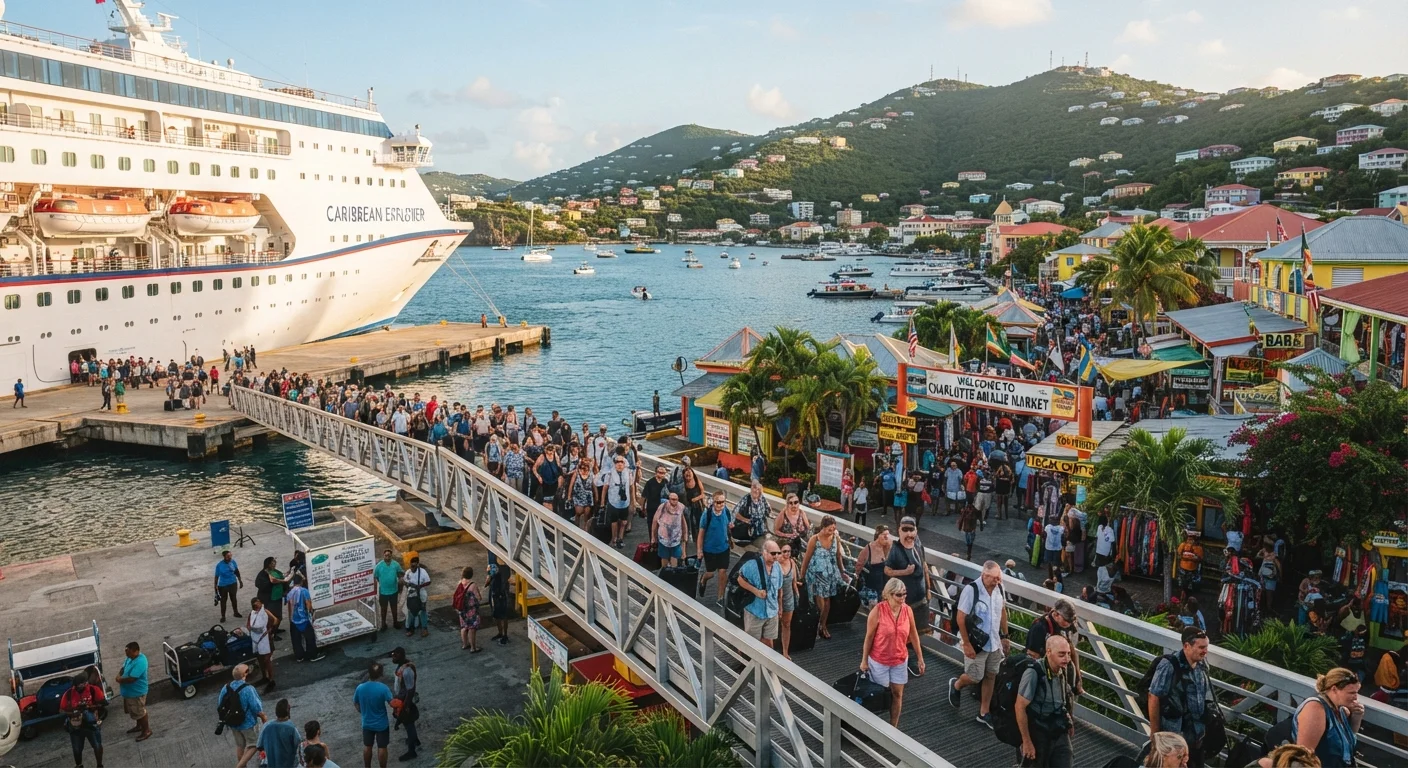
When a cruise ship pulls into port, passengers face a genuine decision: step off and explore, or stay aboard. For those who go ashore, how they spend that time — and with whom — shapes the entire port experience. Shore excursions are the organized layer of that experience, offering structured ways to see a destination in the hours the ship is docked.
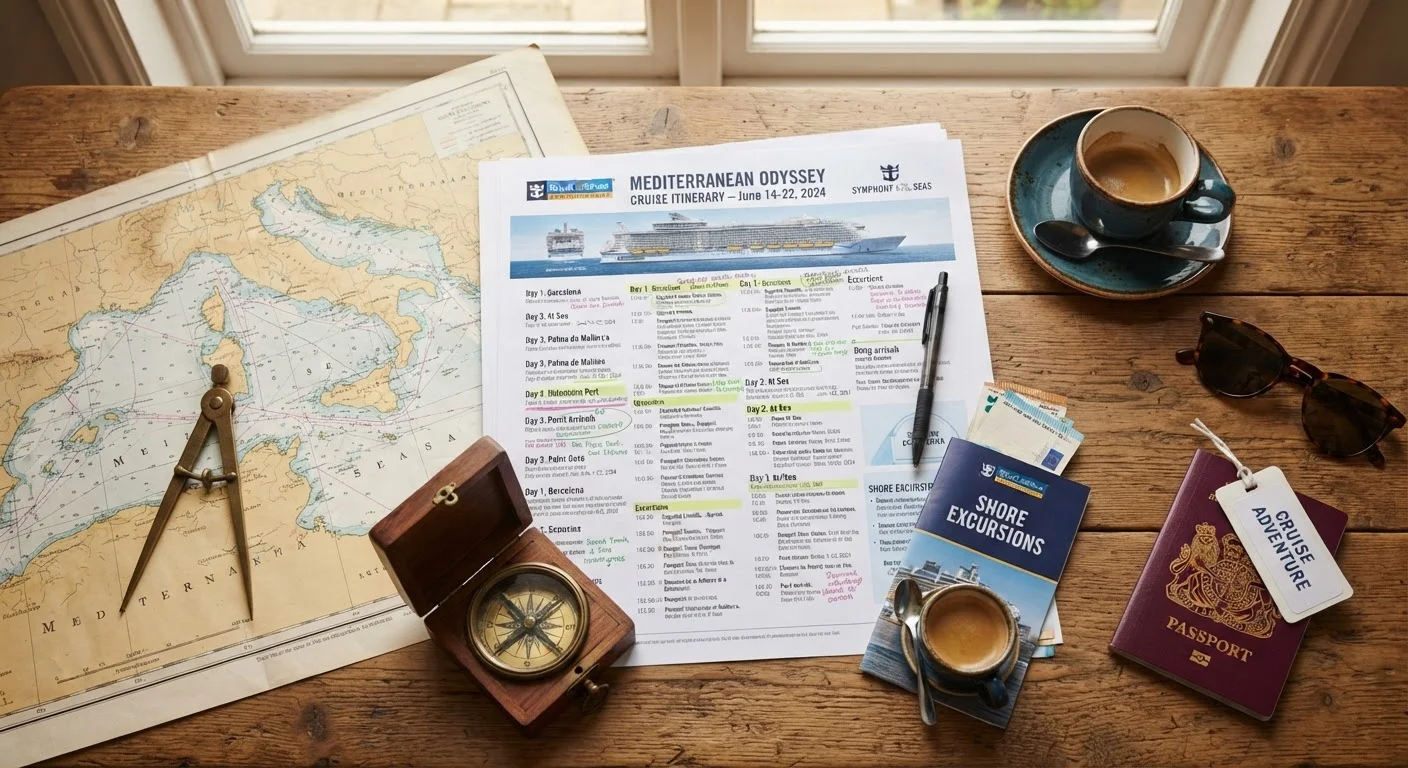
Port days vary considerably. Some itineraries allow eight or more hours in a city; others offer as few as four or five after accounting for docking procedures and required return times. Understanding how that window works is essential before committing to any activity. The details embedded in a cruise itinerary, including listed port times and whether a stop involves a tender, directly affect how much time passengers realistically have ashore.
~60%
Cruise passengers who book at least one shore excursion
Industry surveys from cruise trade organizations consistently indicate a majority of passengers participate in organized shore activities during a typical voyage.
$150–$300+
Typical per-person cost range for a ship-sold excursion
Prices vary widely by destination, activity type, and cruise line; adventure and private tours tend to sit at the higher end of this range.
4–8 hrs
Average usable time ashore at a typical port stop
Actual time available to passengers depends on docking schedule, tender procedures, and required all-aboard times — not just the listed port window.
Ship-Sold vs. Independent Excursions: The Core Distinction
The most fundamental choice a passenger faces is whether to book through the cruise line or make independent arrangements. Each path comes with different tradeoffs, and neither is universally superior.
Ship-sold excursions are offered by the cruise line, typically through vetted third-party operators. The primary practical advantage is the ship guarantee: if a cruise line–sold excursion runs late, the ship is generally expected to wait for those passengers before departing. For ports where a passenger has no local knowledge, this safety net carries real weight. The downside is cost — ship-sold tours often carry a significant premium over comparable local options — and group sizes can be large, which limits spontaneity.
Independent excursions are arrangements passengers make directly with local tour operators, taxi services, or by simply exploring on foot. This route often allows for smaller groups, more personalized itineraries, and lower prices. The tradeoff is responsibility: if an independently booked tour runs long, the ship will not wait. Passengers who miss departure must arrange and fund their own travel to the next port.
Check the All-Aboard Time Before Booking Anything
The all-aboard time printed in your daily program is not the same as the ship's scheduled departure. It is the last moment passengers must be on the ship — typically 30 minutes before sailing. When evaluating excursion durations, build in buffer time between the tour's listed end and that all-aboard cutoff.
For first-time cruisers still learning how ports operate, the broader foundations of ocean cruising are worth understanding before diving into excursion logistics.
Types of Shore Excursions and What to Expect
Excursion categories span an enormous range of activity levels, interests, and group formats. Common types include:
- Cultural and historical tours: Guided visits to archaeological sites, city centers, museums, or UNESCO heritage areas. Often bus-based with a local guide.
- Active and adventure tours: Zip-lining, snorkeling, kayaking, cycling, or hiking. These typically have fitness or age requirements and may require advance health disclosure.
- Food and beverage experiences: Cooking classes, market tours, winery visits, or culinary walks through local neighborhoods.
- Beach and water access: Transfers to private beaches, resort day-passes, or boat trips. Often popular in Caribbean and Mediterranean ports.
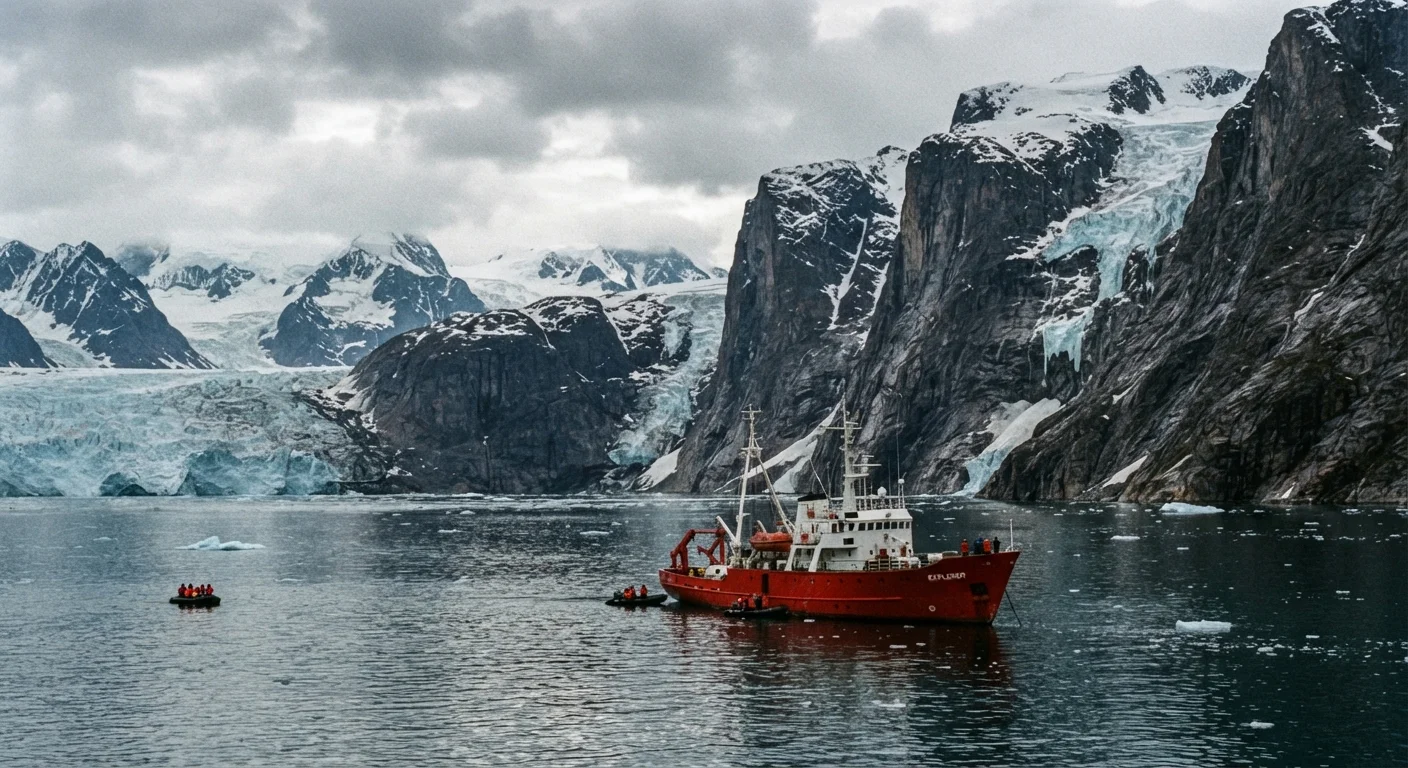
- Scenic and wildlife: Whale watching, glacier treks, wildlife safaris, or national park visits — particularly common on expedition-style itineraries.
Excursion content, difficulty, and quality vary by destination and operator. Reading descriptions carefully, noting physical requirements, and checking refund terms before booking is advisable.
Planning Considerations Before You Book
A few factors consistently catch passengers off guard when planning shore time. First, usable port time is often shorter than the listed window suggests. Docking, gangway procedures, and the requirement to return before the ship's stated all-aboard time chip away at total hours ashore. Passengers at tender ports should factor in additional transit time — and be aware that tenders may be suspended in poor weather conditions.
Second, excursion pricing is rarely bundled into the base cruise fare. Passengers on a week-long itinerary who book activities at every port can accumulate significant additional costs. Some luxury and expedition cruise formats include guided shore programs as part of an all-in fare, which changes the equation.
Third, popular excursions fill up. Small-group tours, diving trips, and heavily promoted activities tend to reach capacity well before sailing day, particularly on high-traffic routes. Checking availability and booking early — whether through the cruise line or locally — reduces the chance of finding preferred options sold out.
Finally, not every port day requires a formal excursion. Many cruise destinations are walkable from the pier, with markets, cafés, and historic districts accessible without any organized program. Knowing when a tour adds genuine value — and when wandering independently will serve just as well — is part of planning a satisfying port experience.
This article provides general travel information for educational purposes. Excursion availability, pricing, policies, and safety conditions vary by cruise line, destination, and operator. Always verify current details directly with providers and consult official government sources for entry requirements or travel advisories before your voyage.