
Why Overtourism Is More Than a Crowding Problem
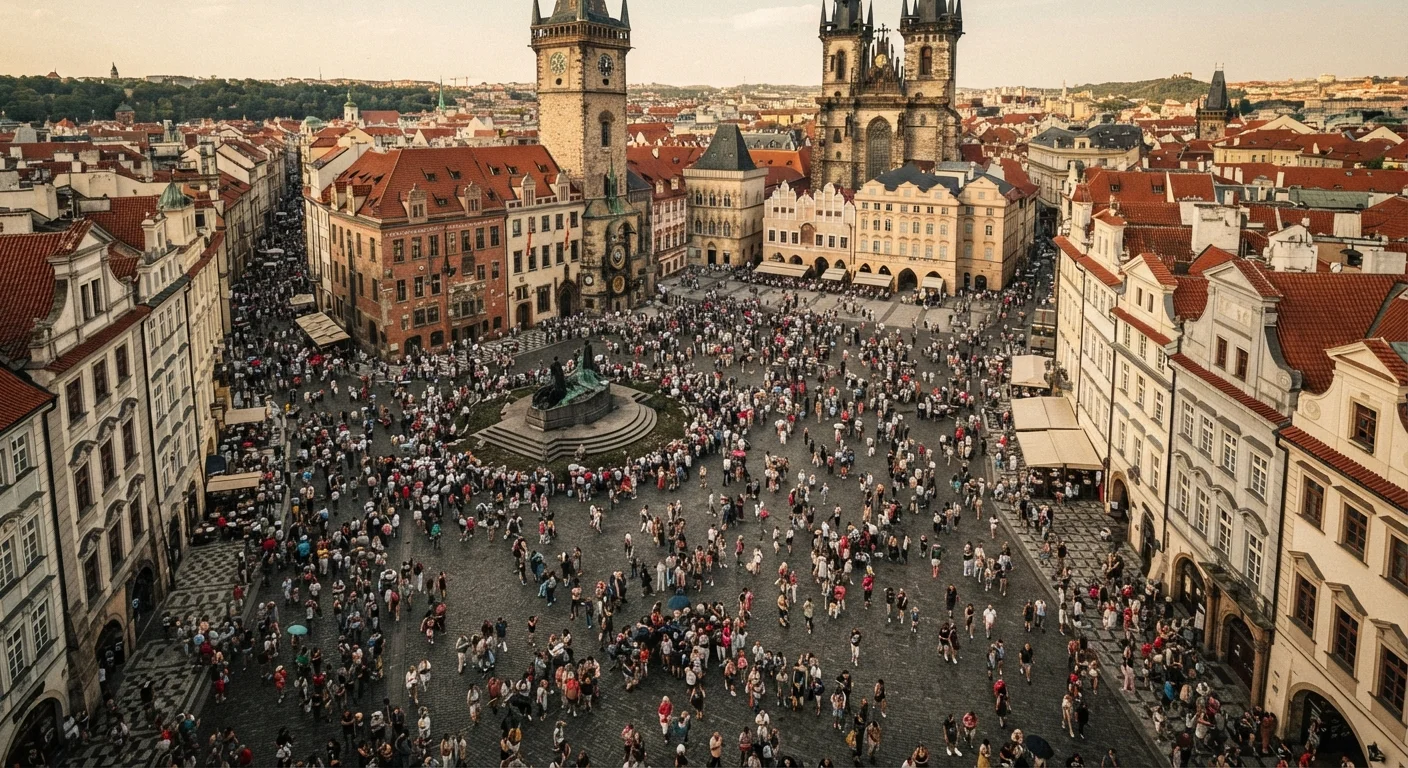
The image is familiar: a famous bridge barely visible beneath a crush of selfie sticks, a narrow alley that locals can no longer walk through without threading past tour groups. But overtourism is more consequential than inconvenience. When a destination's visitor load consistently exceeds what it can absorb, the damage accumulates in ways that outlast any particular travel season.
Residents in heavily touristed neighborhoods face rising rents as landlords convert apartments into short-term rentals. Freshwater systems near popular hiking destinations become strained. Historic structures suffer accelerated wear. In some cases, the industries that make a place culturally distinct — small fishing operations, traditional craft workshops, independent restaurants — are displaced by souvenir shops and chain hotels catering exclusively to visitors.
Understanding this broader picture matters for travelers because it reframes the question. The issue isn't whether your trip was enjoyable or crowded. It's whether the collective weight of millions of similar decisions is producing outcomes that neither travelers nor residents would choose if they could see the full picture.
“Overtourism is not about too many tourists in absolute terms. It is about the wrong tourists, in the wrong places, at the wrong times, with the wrong incentives — and destinations that lack the governance tools to respond.”
— Harold Goodwin, Professor and responsible tourism researcher, author of works on tourism management
How Visitor Concentration Happens
Tourism does not distribute itself evenly across the globe. A relatively small number of destinations — driven by social media virality, guidebook prestige, and aggressive marketing — absorb a vastly disproportionate share of international visitors. A photograph of a turquoise lagoon or a brightly colored street can generate thousands of bookings within weeks of going viral, often to places with no additional capacity to handle them.
Seasonality compounds the problem. Even destinations with the infrastructure to handle steady year-round visitor flows can buckle when 70 percent of annual arrivals arrive in three summer months. Cruise ship port calls that deposit thousands of day visitors simultaneously — without those visitors spending nights or money in the local economy — represent another concentrated pressure point.
Top 10
Cities absorb majority of global urban tourist arrivals
World Tourism Organization data has consistently shown that a small cluster of global cities receive a disproportionate share of international overnight visitors, leaving most destinations significantly undervisited by comparison.
~70%
Tourism revenue concentrated in peak months
In many Mediterranean and alpine destinations, the majority of annual visitor spending is compressed into a two-to-three month high season, intensifying environmental and social strain during those periods.
1 in 10
Global jobs supported by tourism pre-pandemic
According to the World Travel and Tourism Council, tourism accounted for roughly one in ten jobs worldwide before 2020 — underscoring why blanket restrictions on visitor numbers carry genuine economic consequences.
The geographic concentration effect is measurable. Research published through the World Tourism Organization has documented how a handful of urban centers and natural landmarks bear the majority of global visitor pressure, while thousands of equally compelling destinations receive comparatively little attention.
The Traveler's Actual Role
Individual travelers did not design the systems that produce overtourism — airline hub structures, search algorithm incentives, and travel industry marketing all play significant structural roles. But individual choices are not irrelevant. They aggregate into the patterns that define where pressure accumulates.
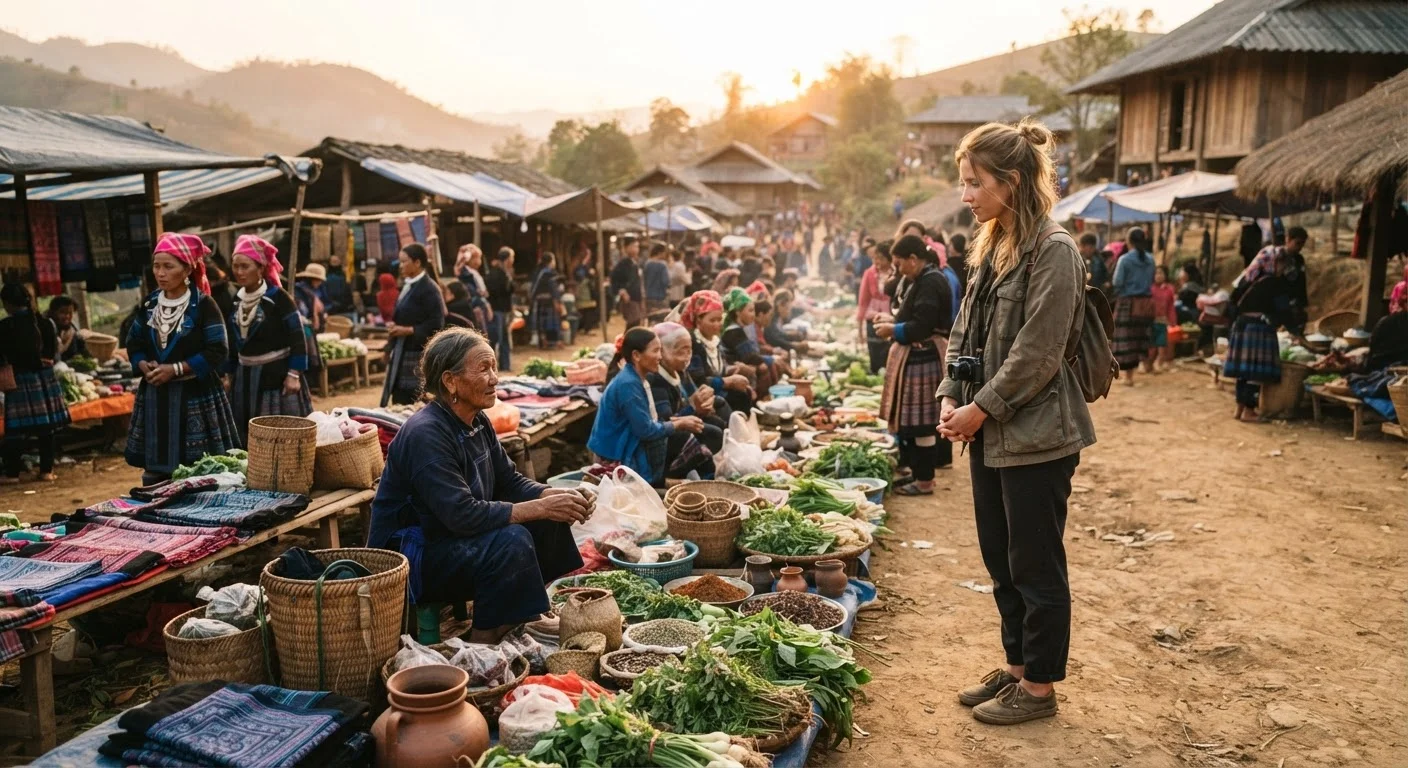
Three decisions in particular carry meaningful weight: where you go, when you go, and how you spend while there. A traveler who visits an under-touristed region in a shoulder month and spends predominantly at locally owned businesses creates a different set of effects than one who visits a saturated destination at peak season and books through platforms that extract most revenue outside the local economy.
Practical Ways to Disperse Your Travel Impact
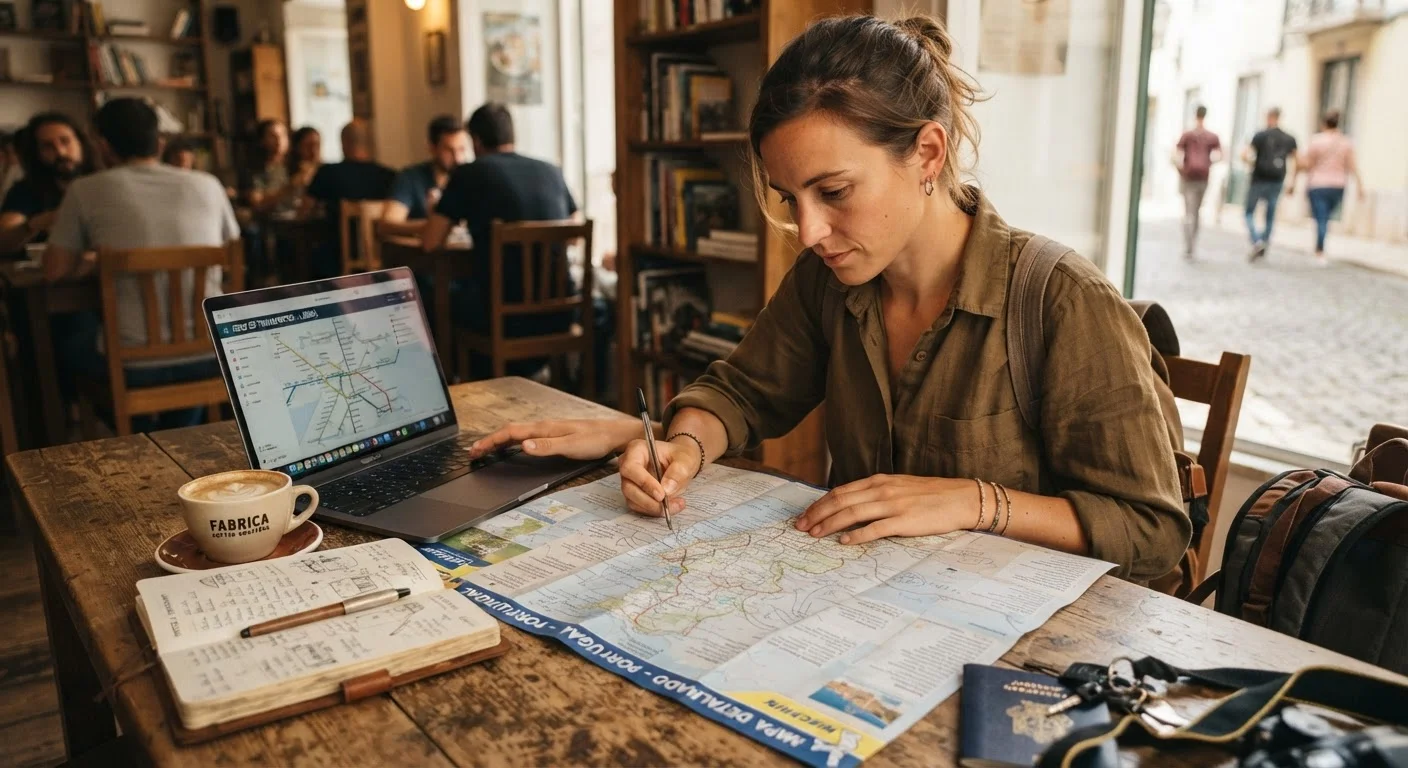
Consider traveling to secondary cities or rural areas within a country you'd otherwise visit only at its most famous sites. Booking accommodation with locally owned properties rather than international chains keeps more spending within the community. Visiting in shoulder seasons — spring or early autumn in European destinations, for instance — reduces pressure at peak moments and often delivers a more authentic experience. Before you go, it's worth reading the destination's tourism infrastructure to understand what it can realistically absorb.
This doesn't mean travelers should feel individually responsible for systemic failures, or that guilt should drive travel decisions. It means that travelers who want their choices to align with their values have genuine leverage — particularly in the aggregate. For a grounded framework on exercising that leverage thoughtfully, see our piece on responsible tourism principles.
What Destinations Are Doing — and What Remains Unresolved
Destination managers and local governments have responded to overtourism with a range of interventions. Amsterdam has restricted new hotel construction and imposed limits on short-term rental licenses. Bhutan has long maintained a high daily visitor fee as a deliberate friction mechanism. Venice introduced day-tripper fees for peak periods. Several Himalayan trekking routes now require permits with daily caps.
These approaches share a common logic: if the market won't distribute visitors sustainably on its own, governance structures must intervene. But their effectiveness varies considerably. Permit systems can be gamed or poorly enforced. Visitor taxes, if revenue isn't reinvested in affected communities, don't address the underlying pressure. And restrictions on one destination can simply redirect visitor flows to adjacent places that lack any management infrastructure.
The unresolved tension is that tourism is also genuinely economically important to many of these places. Blanket restrictions can harm the workers and small businesses that depend on visitor spending — particularly in lower-income communities where tourism may represent the primary income source. Any honest account of overtourism has to hold both realities simultaneously.
Travelers curious about how niche travel categories — from dark-sky astrotourism to eco travel — relate to these pressures will find that dispersal into less-visited regions is often a feature of those travel styles, not a coincidence.