
Why Parts Sourcing Is the Heart of Any Classic Restoration
Restoring a vintage vehicle often stalls not in the garage, but in the search for the right components. A carburetor for a mid-century American V8, a body trim clip for a postwar European roadster, or a correct-date-coded instrument cluster — these are the kinds of items that can take months to locate. Unlike modern cars supported by global dealer networks and online catalogues, classic vehicles depend on a fragmented ecosystem of enthusiasts, specialty vendors, and surviving inventory. Understanding that ecosystem is as important as any wrench skill.
The approach you take will also depend on the type of restoration you're pursuing. A concours restoration versus a resto-mod build calls for very different sourcing standards — original-specification components may be essential in one case and optional in the other. Either way, knowing the main sourcing avenues saves time, money, and frustration.
New Old-Stock (NOS) Components
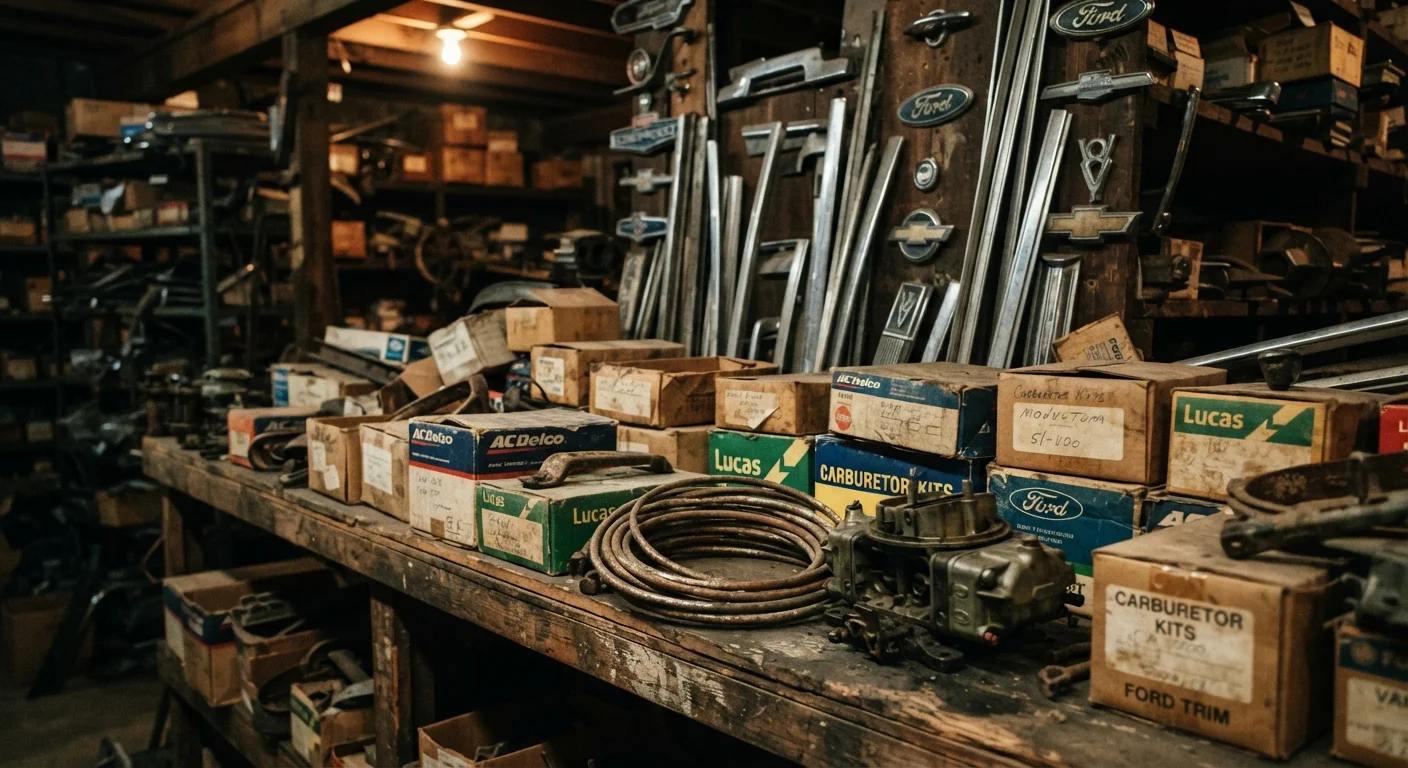
New old-stock refers to original parts manufactured during the vehicle's production era that were never installed — still in factory packaging, never used. NOS is the benchmark for concours-level restorations because the materials, tolerances, and finishes match period specifications exactly. These parts surface through estate sales, dealership old-inventory liquidations, and specialty NOS dealers who've spent decades accumulating warehouse finds.
The trade-off is cost and scarcity. For popular marques, NOS markets are competitive and prices reflect that. Always verify provenance carefully; mislabeled or counterfeit NOS parts do circulate, particularly for high-demand components. Cross-reference original part numbers against factory assembly manuals before committing.
NOS parts match original factory specifications exactly — but verify provenance carefully before purchasing.
Reproduction Parts from Specialty Suppliers
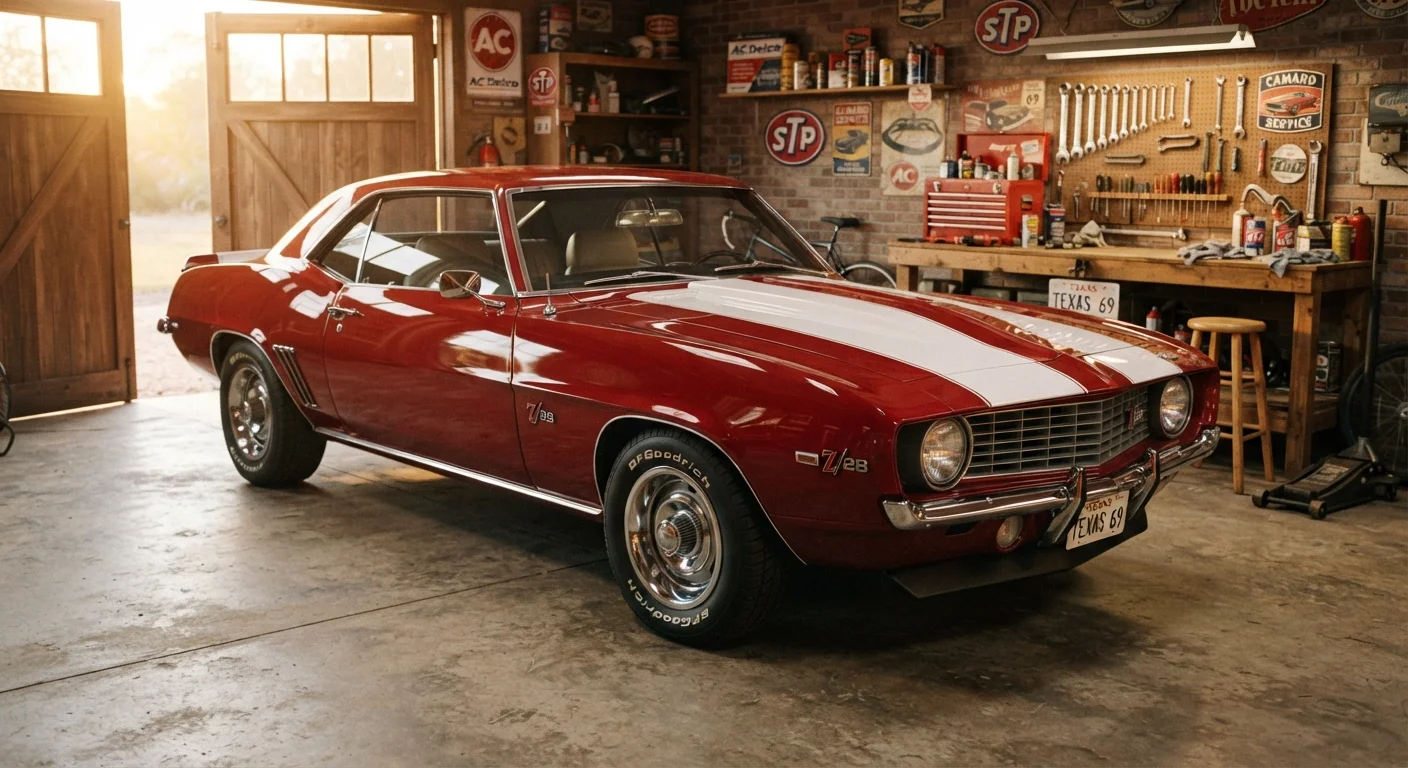
Reproduction parts are newly manufactured components built to replicate originals. For popular makes and models — certain American muscle cars, classic British sports cars, vintage trucks — a robust reproduction industry exists, producing everything from body panels and rubber seals to emblems and interior trim. Quality varies considerably between suppliers, so sourcing recommendations from marque-specific clubs and restoration forums carries real weight.
For vehicles where the reproduction market is thin or nonexistent, custom fabricators can sometimes produce small runs of a needed component, though unit costs rise sharply. Check whether the vehicle parts and services landscape for your specific marque includes active reproduction vendors before assuming a part is unobtainable.
Reproduction quality varies widely — club recommendations and forum reviews help separate reliable suppliers from poor ones.
Salvage Yards and Dismantlers Specializing in Classics
General salvage yards rarely stock pre-1980s vehicles, but specialty dismantlers focused on vintage and antique cars do exist. These operations acquire non-restorable vehicles and part them out systematically. Unlike general yards, classic dismantlers typically catalog their inventory, and many maintain searchable online databases. A mechanical component pulled from a donor vehicle — an engine block, differential, or transmission — may be the only practical source for some makes.
Inspect pulled parts thoroughly for wear, corrosion, and completeness before purchase. A crack in a cast-iron housing or a stripped bolt hole can make an otherwise promising find unusable.
Specialty classic dismantlers catalog their inventory — search their databases before assuming a part doesn't exist.
Marque Clubs and Owner Registries
Single-marque clubs — organizations dedicated to one make or model — are among the most underutilized sourcing resources. These communities maintain technical libraries, known-supplier lists, and classified sections where members sell parts from their own collections or disassembled vehicles. Active members often know exactly who holds a specific component nationally. If you're new to the vintage vehicle world, a first-timer's roadmap to the classic car world can help you identify relevant clubs for your era and model.
National meets and swap meets hosted by these clubs are also productive in person — parts that never appear online show up on folding tables at these events.
Marque clubs maintain supplier lists and classified sections that rarely appear in general internet searches.
3D Printing and Custom Fabrication
For parts where no NOS, reproduction, or salvage supply exists, modern fabrication technologies have opened new possibilities. 3D printing in engineering-grade plastics or metals can produce interior knobs, brackets, clips, and small structural components with acceptable dimensional accuracy when original measurements or CAD files are available. Some marque clubs have begun digitizing critical part geometries specifically to enable this kind of reproduction.
Metal fabrication shops experienced with vintage vehicles can recreate sheet-metal panels, brackets, and custom fittings from original examples or drawings. These solutions require more upfront investment in measurement and pattern-making, but they can solve problems that were previously unsolvable without cannibalizing another vehicle.
3D printing and custom fabrication now offer viable solutions for parts with no surviving traditional supply.
Building Your Sourcing Strategy
No single channel covers every part for every vehicle. Experienced restorers typically work several avenues simultaneously, cross-referencing part numbers across platforms and leaning on community knowledge to fill gaps. Keep meticulous records of what you've found, what you've ordered, and what remains outstanding — a thorough paper trail matters as much during restoration as it does at resale.
Document Every Part Number You Encounter
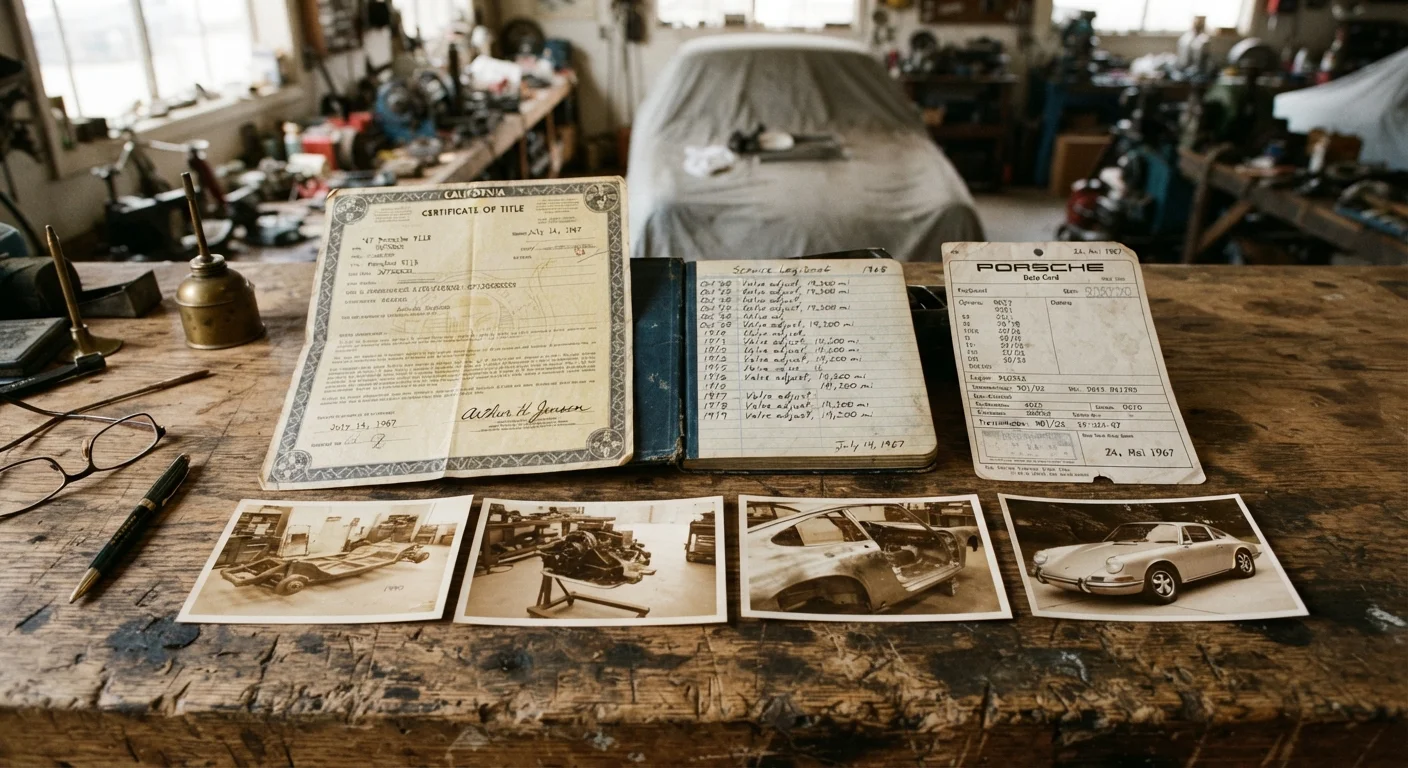
Factory assembly manuals, dealer parts books, and body assembly guides list original part numbers that remain useful decades later. Cross-referencing these numbers across multiple platforms — NOS dealers, salvage databases, and club classifieds — often surfaces inventory that a keyword search alone would miss. Scan or photograph any printed reference materials you acquire, since originals can deteriorate or be lost.
Parts sourcing is also closely tied to the broader realities of classic ownership. If you're still weighing whether a vintage vehicle is right for you, the full picture of classic car ownership — including parts availability and cost — is worth reviewing before you commit. Once the car is yours and parts are in hand, the principles in maintaining a pre-modern-diagnostics classic will help you keep it reliably on the road.