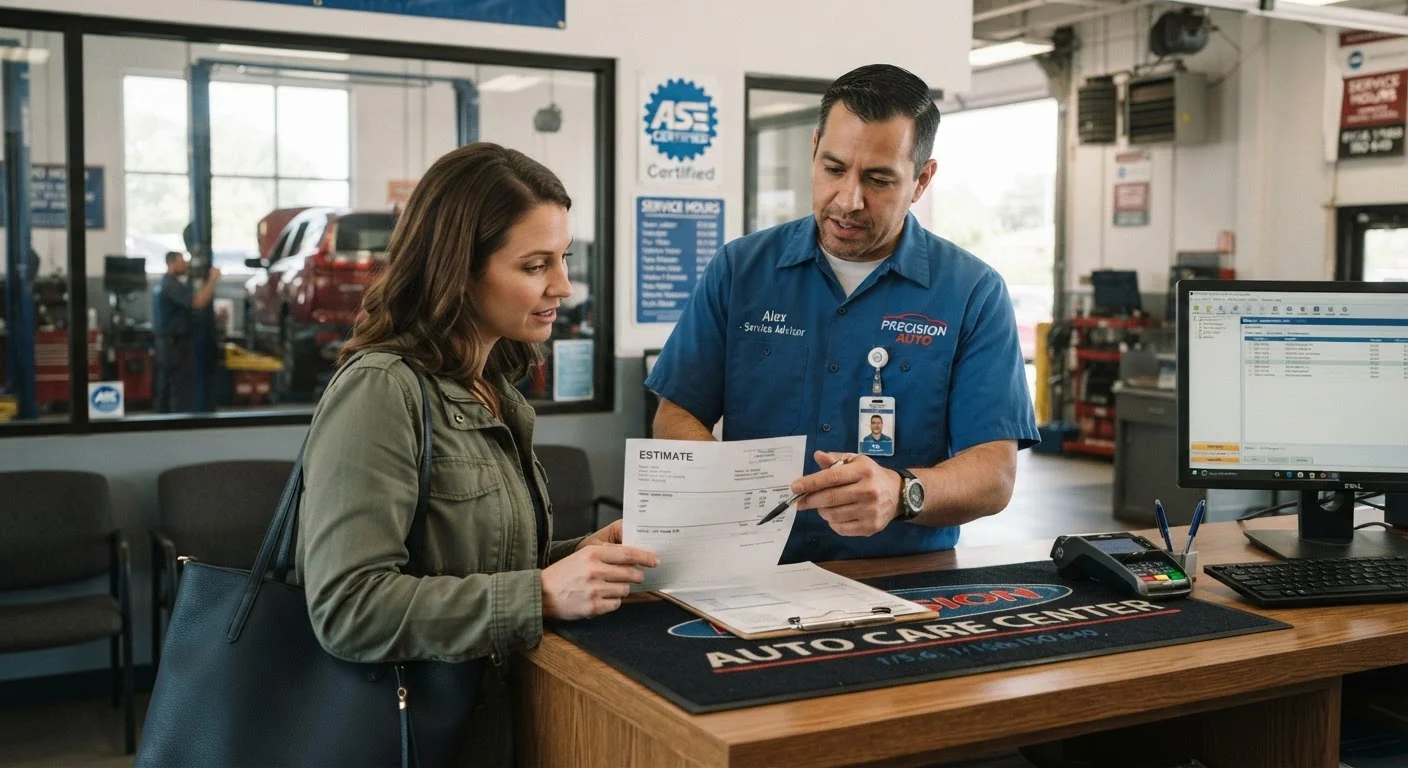
A few pointed questions before signing a repair order can save you money, prevent unnecessary work, and help you understand what's actually being done to your car.
Key Takeaways
Always request a written estimate before authorizing any repair work.
Ask to see the failed part or a photo of the problem before approving the job.
Understand whether parts are OEM, aftermarket, or remanufactured before agreeing.
Clarify what warranty covers both parts and labor on completed repairs.
Knowing which repairs are urgent versus deferrable helps you prioritize spending.
Why Your Questions Matter Before You Sign
Most consumers hand over their car keys and trust the repair order will be fair and accurate. That trust is often warranted — but repair shops operate at speed, and service writers juggle dozens of vehicles. Without active engagement from you, upsells can slip in, vague line items go unquestioned, and necessary context never gets communicated.
A handful of well-placed questions — asked before you authorize work — can clarify exactly what's being done, why it's needed, and what your alternatives are. This checklist organizes those questions into logical stages so you can move through the conversation efficiently without feeling confrontational.
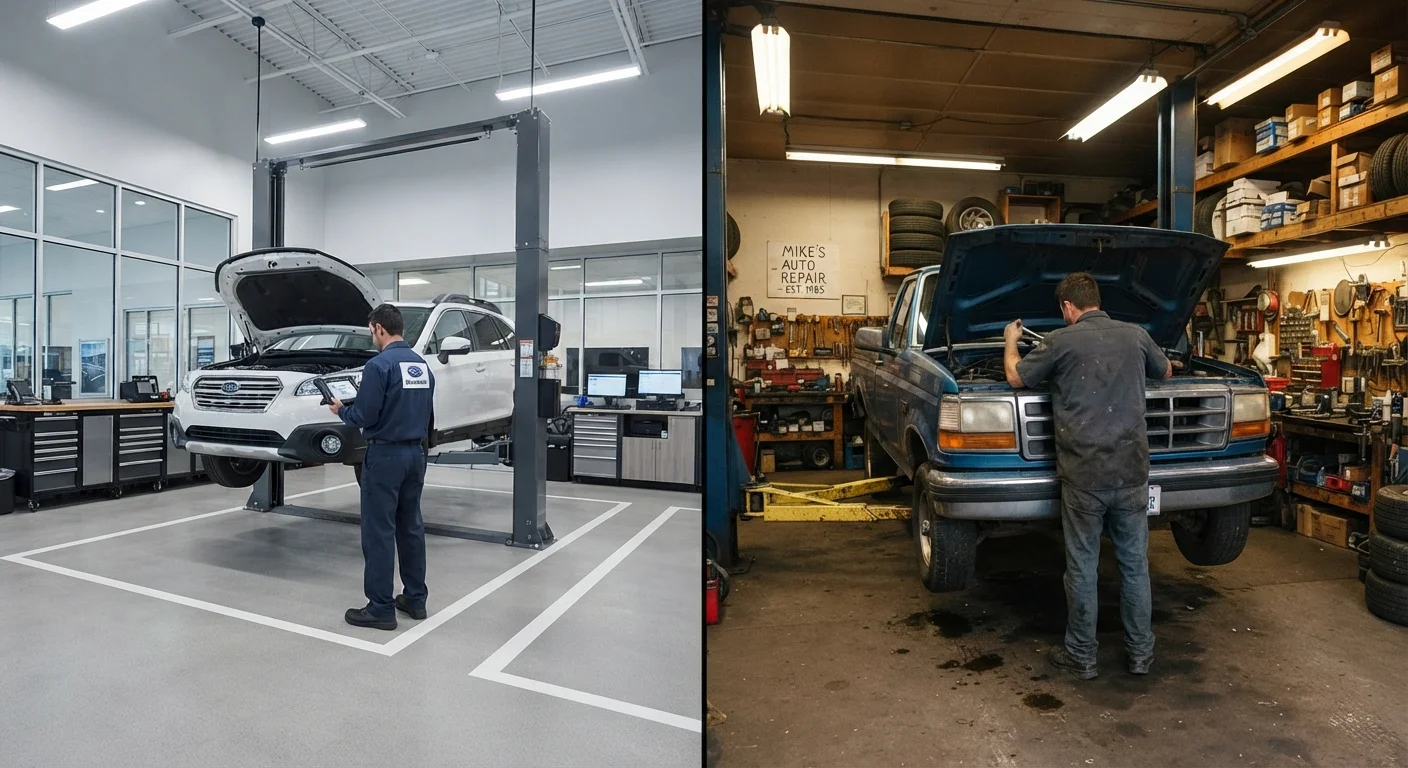
If a service advisor cannot clearly explain why a repair is needed or what evidence supports the diagnosis, it is reasonable to ask for more time before deciding. You are not obligated to approve work on the spot. A shop that pressures you into immediate authorization without clear explanation warrants extra scrutiny. Taking your car to a second shop for a second opinion on major or costly repairs is always a legitimate option.
The Questions Checklist
Work through these questions systematically — some at drop-off, some when the technician's diagnosis is ready, and others when the final estimate lands in front of you. You don't need to ask every question for every visit; a routine oil change warrants far less scrutiny than a transmission repair. Use your judgment on which groups apply to your situation.
At Drop-Off
Confirm what specific symptoms or concerns you are describing and ask the service writer to repeat them back to you, so the technician diagnoses the right problem.Must
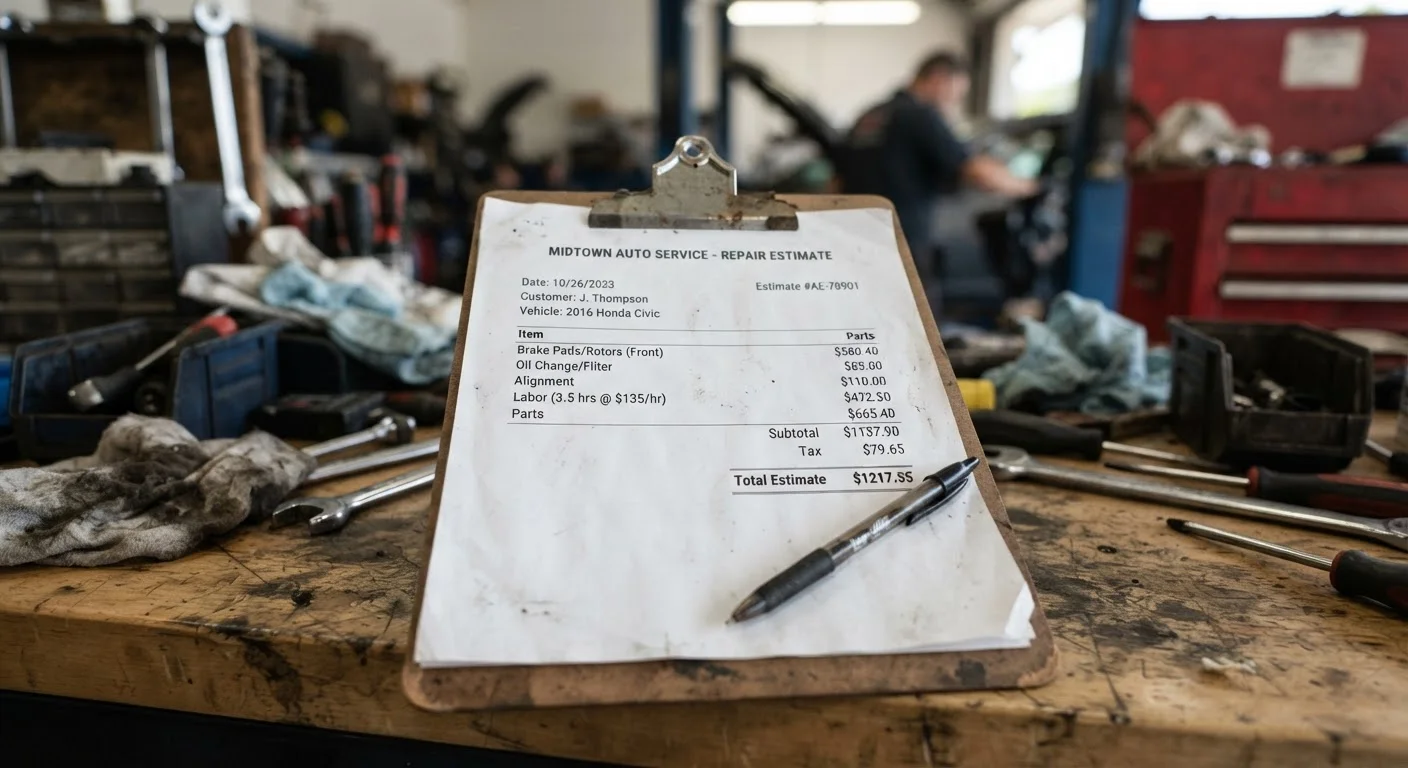
Request a written estimate before any diagnostic or repair work begins, and ask whether a diagnostic fee applies and whether it will be credited toward the repair if you proceed.Must
Ask what authorization process the shop uses — clarify that you want to be contacted for approval before any additional work is performed beyond what you've discussed.Must
Find out the estimated completion time and ask what happens if the diagnosis reveals a different or larger problem than initially expected.Should
When the Diagnosis Is Ready
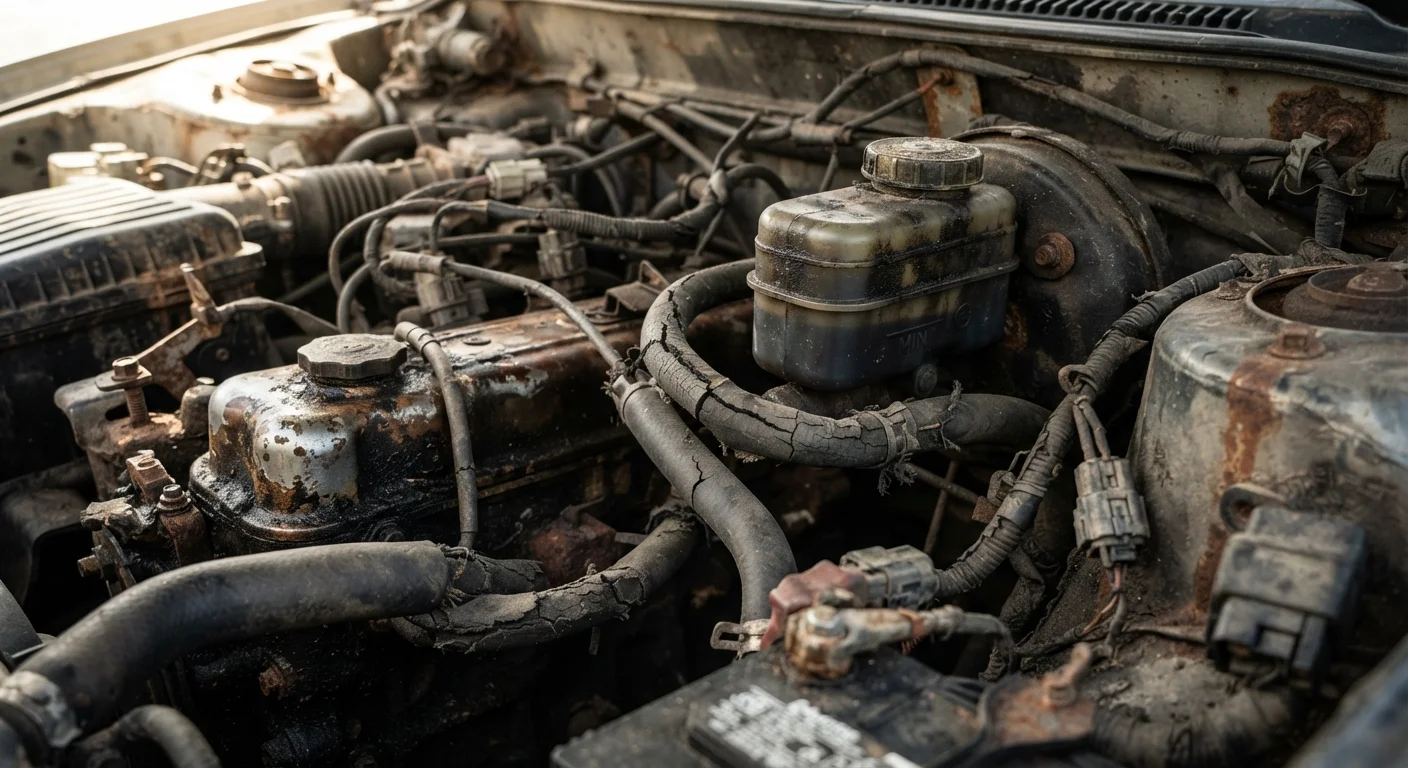
Ask the technician or service advisor to explain what failed, why it failed, and how they confirmed that diagnosis — not just what needs to be replaced.Must
Request to see the failed component in person, or ask for a photograph if disassembly makes physical inspection impractical.Should
Ask whether the recommended repair is the only solution or if there are alternative approaches that differ in cost or longevity.Should
Clarify whether any of the recommended repairs are safety-critical and must be done immediately, versus items that can be safely deferred.Must
About Parts
Ask whether the parts being used are OEM (original equipment manufacturer), aftermarket, or remanufactured, and understand what each means for fit, function, and warranty.Must
Inquire whether you may supply your own parts and, if so, how that affects the shop's labor warranty on the repair.Nice to have
Ask if the shop can return the old parts to you after the repair so you can verify the work was performed.Should
About Cost and Warranty
Request an itemized written estimate that separates parts costs, labor hours, labor rate, and any shop supply or disposal fees.Must
Ask what warranty the shop provides on both parts and labor, and get the terms in writing — including what voids the warranty.Must
Clarify whether the final bill can exceed the estimate and, if so, by how much — and at what threshold they are required to contact you for re-authorization.Must
Ask whether the shop accepts your extended warranty or roadside assistance plan, and confirm what documentation they need before work begins.Should
Before You Leave
Review the final invoice line by line and confirm that every item matches what was discussed and authorized — do not skip this step under time pressure.Must
Ask the service advisor to walk you through any follow-up steps, such as a return visit for a recheck, fluid top-off intervals, or break-in procedures for new brake pads.Should
Request documentation of the repair — including parts numbers and labor codes — for your own vehicle service records.Nice to have
Verbal Authorizations Create Risk
If a shop calls you and describes additional work, always ask them to send the updated estimate in writing — by email or text — before you say yes. Verbal authorizations are difficult to dispute if the final bill doesn't match what you agreed to over the phone. Most reputable shops are accustomed to this request and will accommodate it without issue.
Some issues are time-sensitive. If a repair involves safety systems — brakes, steering, tires — treat it as urgent. For everything else, understanding the cost of delay can help you triage. Our article on repairs that compound when ignored lays out which problems snowball and which are stable.
Autos Editorial Team is the collective byline for our editorial team and contributor network. Articles published under this byline or an editorial pen name are researched, written, and reviewed according to our editorial standards for clarity, consistency, and independence before publication.
The content on this site is for informational purposes only and is not a substitute for professional advice. Always consult a qualified professional for guidance specific to your situation.