
The Purpose of a State Vehicle Inspection
State-mandated vehicle inspections exist to verify that cars, trucks, and motorcycles operating on public roads meet a defined floor of safety performance. They are not tune-ups, diagnostic assessments, or guarantees of reliability — they are structured compliance checks against a state-authored checklist.
Understanding what an inspection does and does not cover helps drivers avoid a common misconception: that a passing sticker signals a vehicle is in sound mechanical health. It signals only that specific systems met minimum criteria on a specific day. For a deeper look at vehicle condition before a purchase, a methodical pre-purchase checklist covers considerably more ground than a state inspection ever will.
~26
U.S. states with mandatory periodic safety inspections
Requirements vary widely; some states inspect annually, others less frequently, and some have no mandatory program at all.
2/32"
Minimum tire tread depth required in most states
Many safety experts recommend replacing tires at 4/32" for adequate wet-weather performance, above the legal minimum.
Safety Systems Inspectors Evaluate
While the exact checklist differs by state, most safety inspection programs evaluate the following systems:
- Brakes: Inspectors check brake pad or shoe thickness, rotor and drum condition, brake lines for leaks, and parking brake function. Brake performance is the most safety-critical item on most checklists.
- Steering and suspension: Inspectors look for excessive play in the steering wheel, worn tie rods, and damaged or deteriorated suspension components that could affect vehicle control.
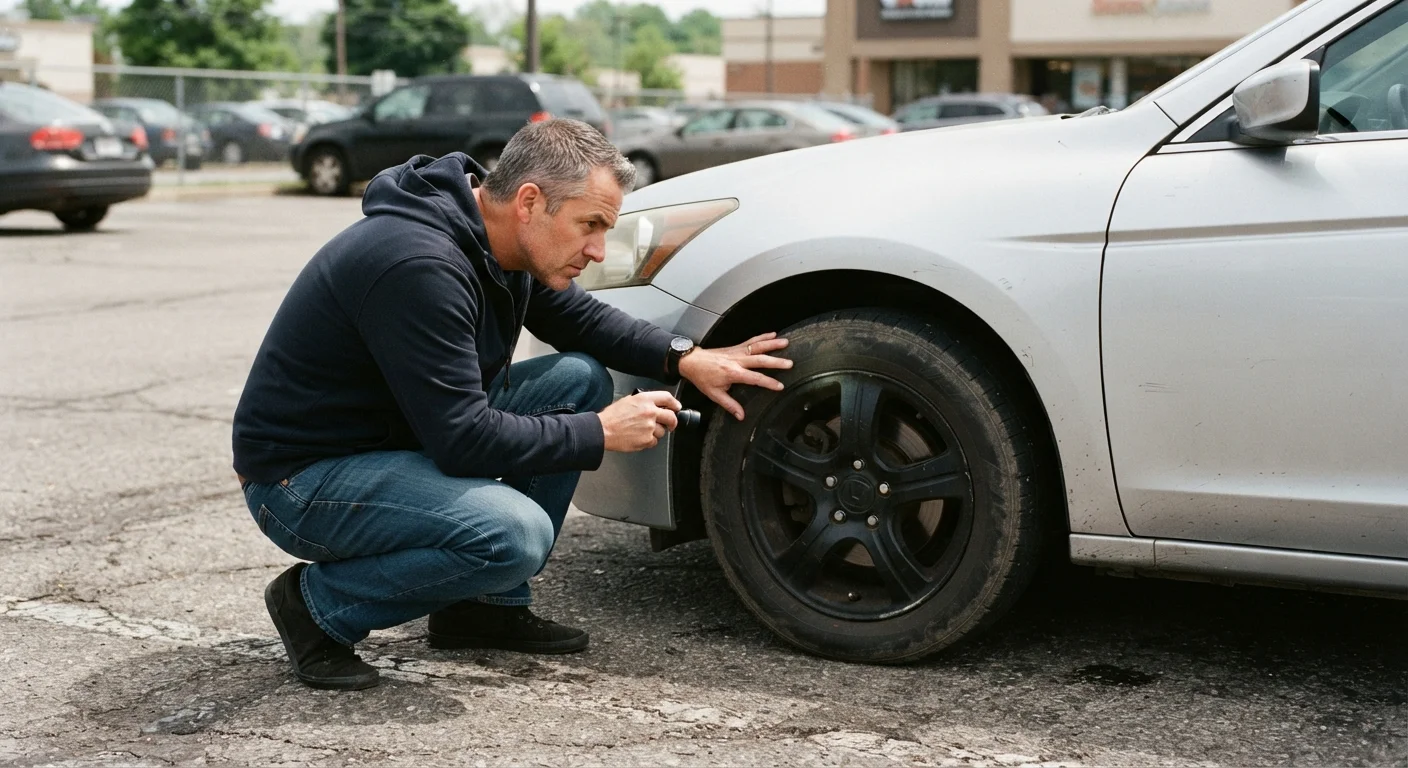
- Tires: Tread depth is measured — most states require at minimum 2/32 of an inch — and tires are checked for visible damage, sidewall bulges, and proper mounting.
- Lights: Headlights, taillights, brake lights, turn signals, and hazard lights must function correctly and aim within acceptable ranges.
- Horn: Must be audible and operational.
- Windshield and wipers: The windshield is inspected for cracks in the driver's line of sight; wipers must clear the glass effectively.
- Mirrors: Rearview and side mirrors must be present and provide adequate visibility.
- Seatbelts: Belts must latch, retract, and show no visible damage to webbing or hardware.
Some states also inspect fuel system components, exhaust systems for leaks, and vehicle identification number (VIN) plates for tampering.
Check Your State's Specific Requirements
Inspection checklists, fees, and schedules are set at the state level and can change. Before your inspection appointment, review your state's DMV or motor vehicle authority website for the current checklist and any recent changes to the program. New vehicles are often exempt from inspection for the first one to three years in states that have programs.
How Emissions Testing Works
Where emissions testing is required, inspectors verify that a vehicle's engine is not releasing excessive pollutants. Modern testing methods rely primarily on OBD-II scanning — a device plugs into the car's diagnostic port and reads the status of emissions-related monitors stored by the vehicle's computer. If any monitor reports a fault or has not completed a readiness cycle, the vehicle may fail even if no visible symptoms exist.
Older vehicles — typically pre-1996 models that predate OBD-II — may undergo a tailpipe probe test that directly measures exhaust content. Diesel vehicles follow different protocols in states that test them.
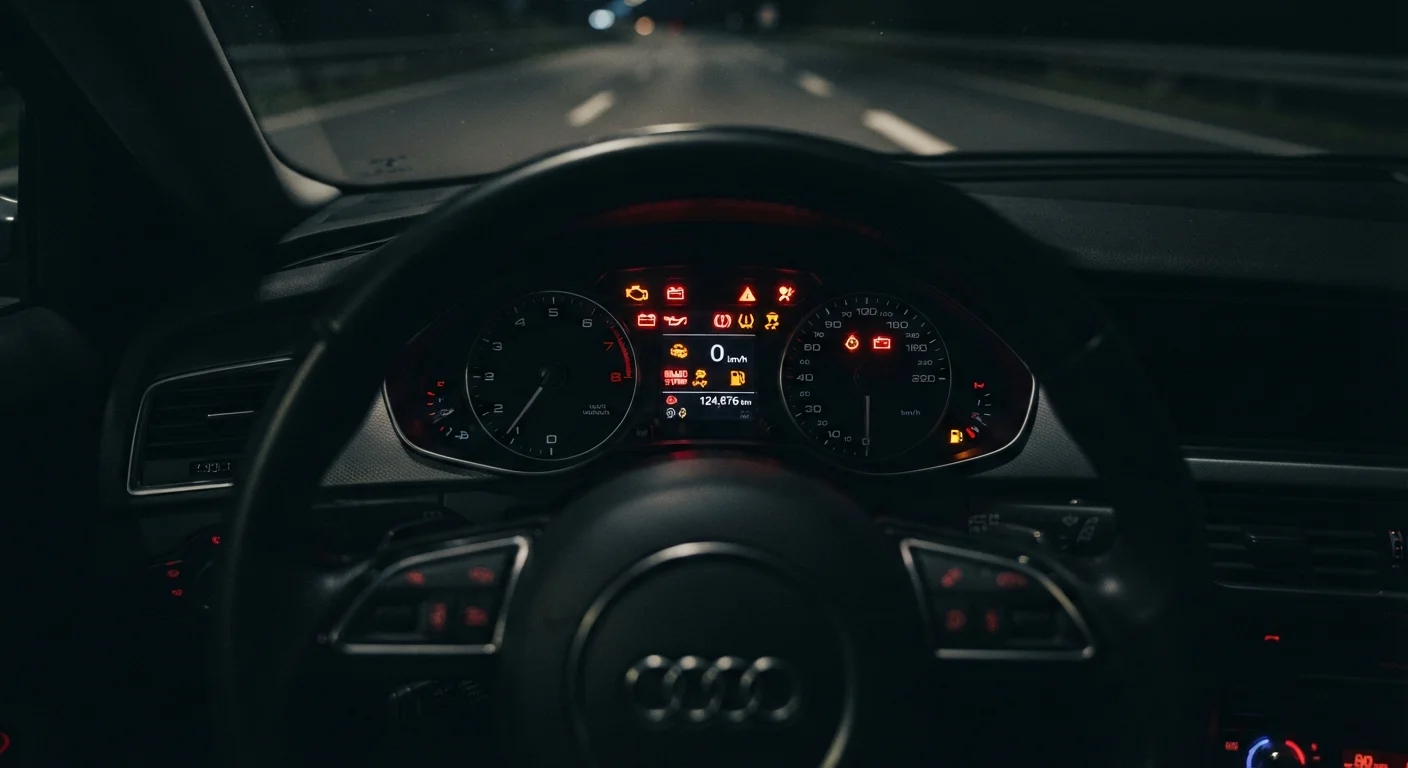
A illuminated check engine light will nearly always trigger an emissions failure, because it indicates an active emissions-related fault code. Understanding what that warning light actually means before your inspection date can save a failed visit.
OBD-II Monitor Readiness Matters
If your battery was recently replaced or your car's computer was recently reset, emissions monitors may not have completed their readiness cycles — even if no fault exists. Driving a normal mix of city and highway miles for several days before your emissions test allows these monitors to run and report ready status, reducing the chance of a 'not ready' failure.
What Inspections Don't Cover
A state inspection is deliberately limited in scope. Inspectors are not required to evaluate engine compression, transmission shifting quality, cooling system integrity, oil or fluid conditions, battery health, or the hundreds of other components that determine whether a vehicle is reliable and road-worthy over time.
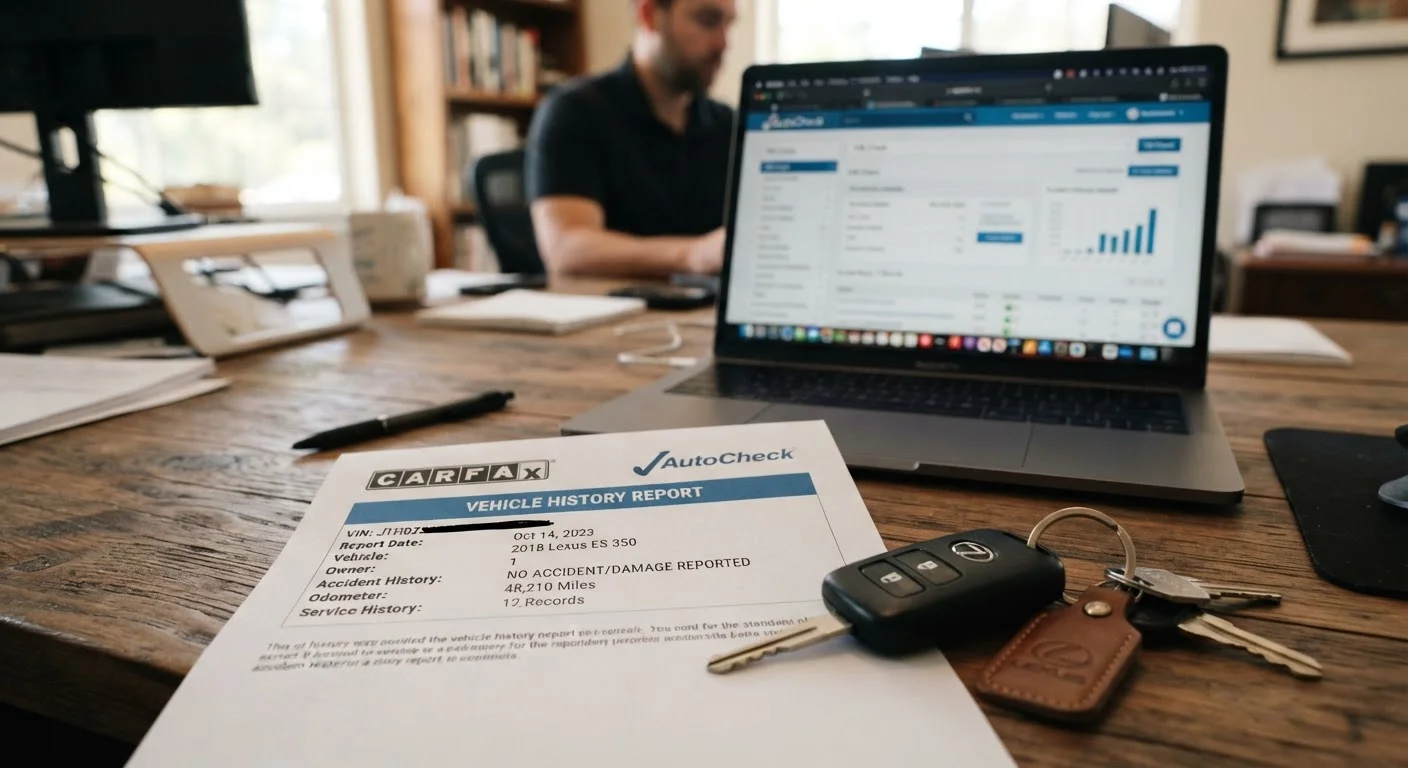
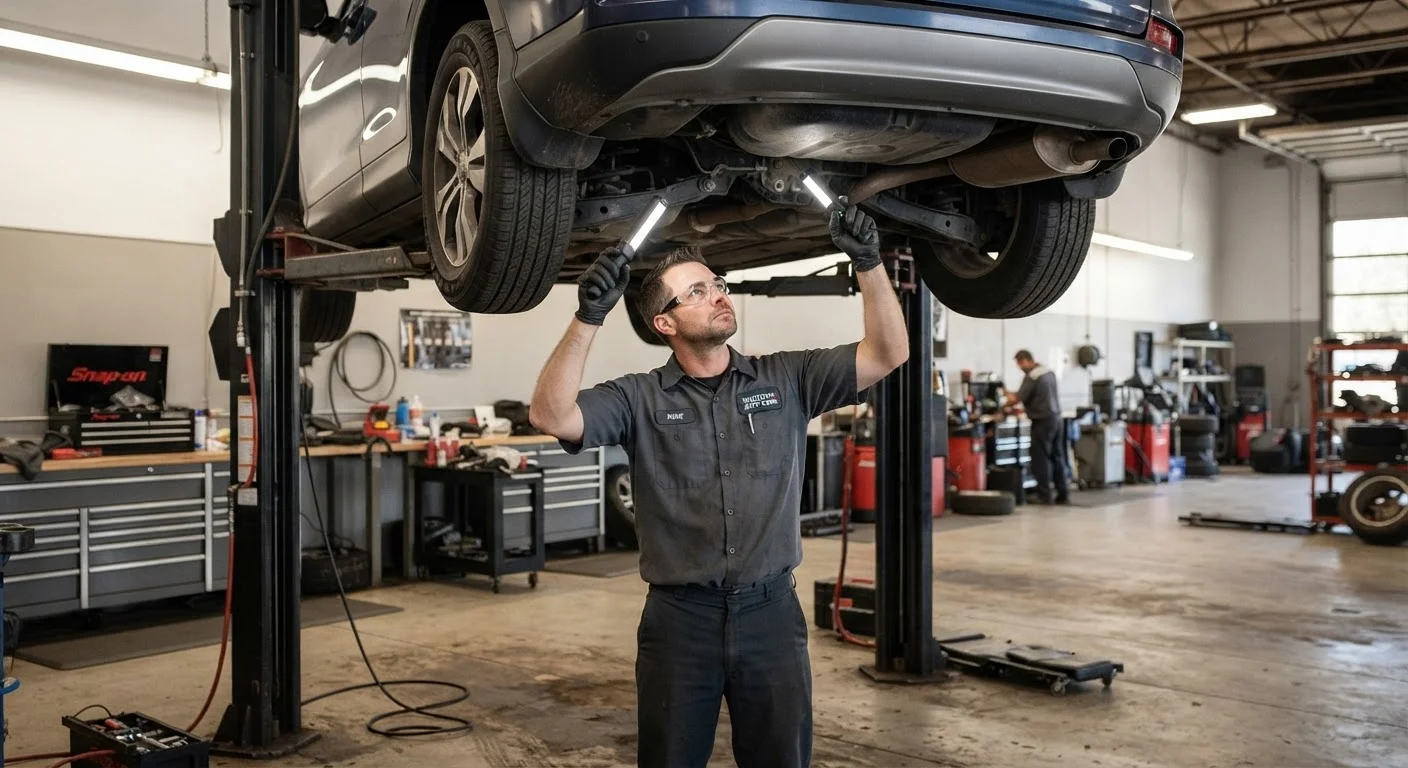
This gap matters most when buying a used vehicle. A car can carry a current inspection sticker and still have a failing water pump, worn transmission, or deteriorating CV axles. A vehicle history report can reveal accident records, title issues, and odometer discrepancies — but it won't catch latent mechanical problems either. For full confidence before a purchase, a pre-purchase inspection by an independent mechanic is the most reliable option.
Inspection programs also don't replace understanding vehicle safety ratings, which reflect crash-test performance — a separate and equally important dimension of vehicle safety.