
The Basics: What Goes Into a Labor Rate
When a shop quotes you an hourly labor rate, that number covers far more than the technician's wages. Every business operating a repair bay has fixed and variable costs that must be recovered: facility rent or mortgage, equipment leases, insurance, utilities, diagnostic software subscriptions, lifts and tools, and the administrative staff who schedule appointments and process invoices.
Technician compensation is typically only a portion of what you see on the rate. Many shops pay their mechanics on a flat-rate commission basis — technicians earn a percentage of the billed labor hours, which means a shop's posted rate also needs to account for payroll taxes, benefits, and training costs. All of that gets baked into the number on your estimate.
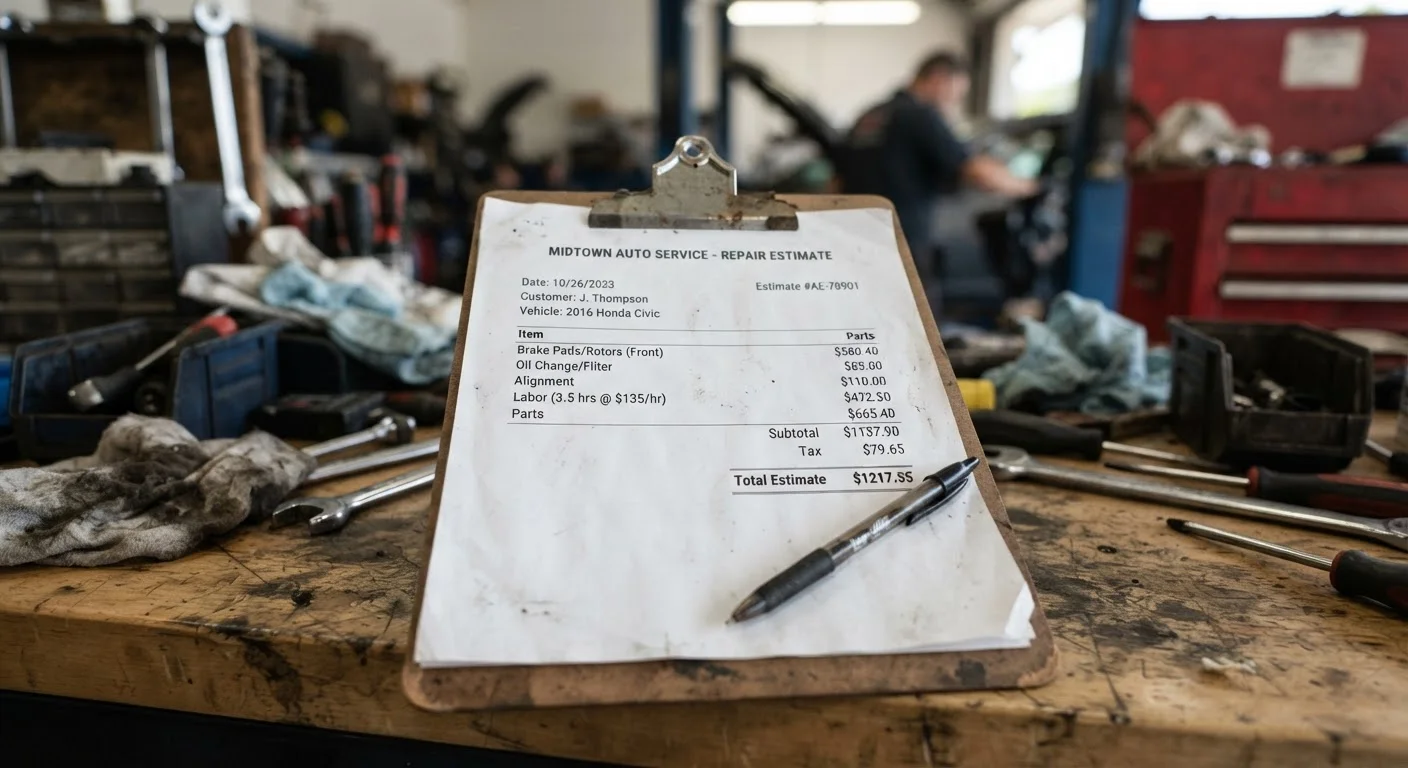
Understanding this structure helps explain why two shops doing identical work can quote noticeably different prices. It's rarely arbitrary. Reading a repair estimate carefully can help you see exactly how labor charges appear alongside parts and shop fees.
Shop Type Is One of the Biggest Variables
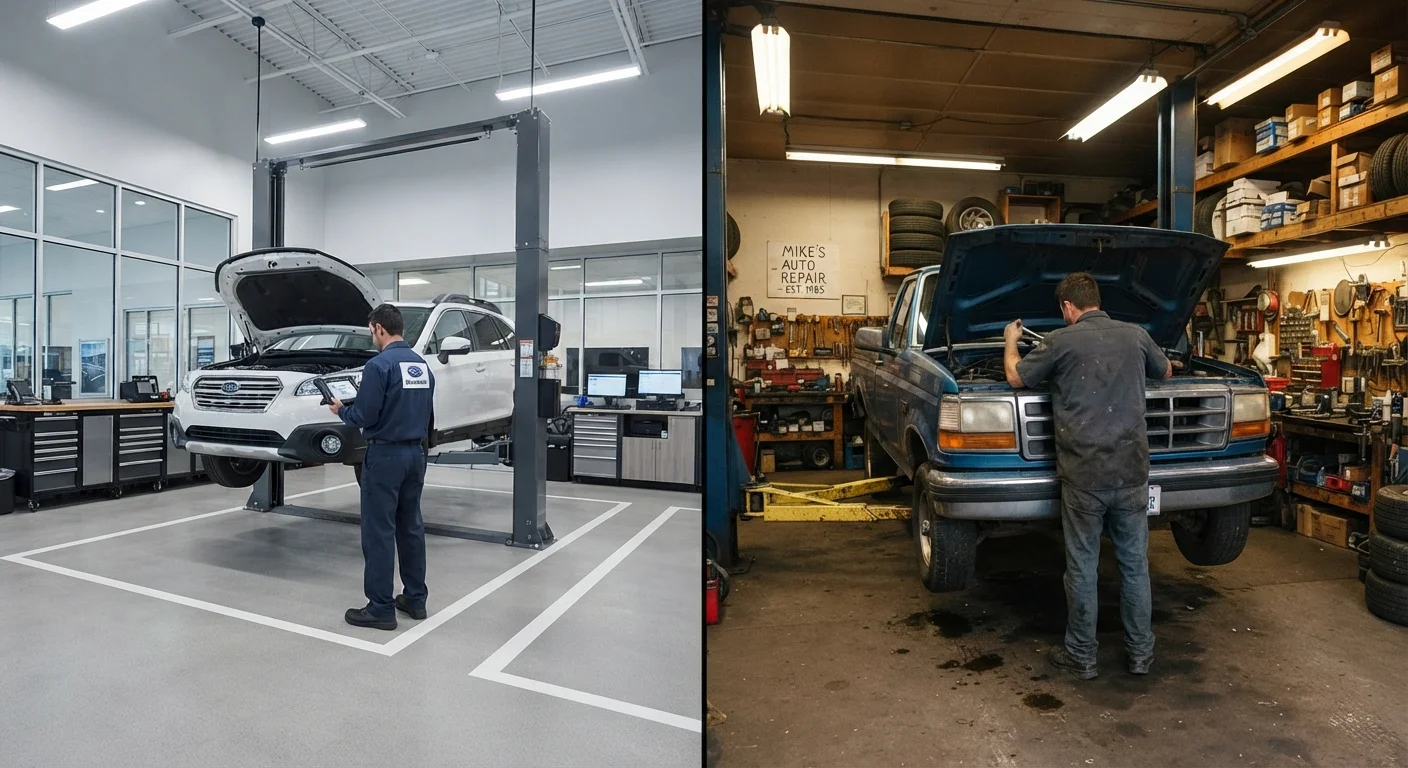
Where you take your vehicle has an outsized effect on what you'll pay per hour. Franchised dealerships consistently charge the highest rates because they carry the heaviest overhead. Factory certification programs, proprietary scan tools, and mandatory brand standards all add cost. For complex work on newer vehicles, that investment can be genuinely valuable — but you pay for it either way.
Independent shops typically operate with leaner overhead and pass some of that savings along. They often employ experienced technicians who came from dealerships and carry broadly equivalent skills for most repairs. Chain service centers occupy a middle ground, with standardized pricing that can be competitive for routine maintenance but variable in quality depending on the location.
$75–$175
Typical US mechanic hourly labor rate range
Industry surveys and shop data consistently show this spread, with dealerships and specialty shops at the upper end and independent shops often at the lower end.
~30–50%
Portion of shop rate attributed to technician pay
The remainder of a posted labor rate covers overhead: rent, equipment, insurance, software, and administrative costs.
20–40%
Typical premium dealerships charge over independents
Consumer automotive research and repair cost databases routinely find dealership labor rates running higher than comparable independent shops for the same job.
For a detailed comparison of what you get from each option, see the dealership service center vs. independent mechanic breakdown.
Geography and Cost of Living Drive the Spread
A shop in midtown Manhattan operates in a fundamentally different cost environment than one in rural Tennessee. Commercial lease rates, minimum wage laws, local competition, and average household income all shape what a shop must charge to remain profitable. This is why the same oil change or brake job can cost dramatically different amounts across states — even between a major metro and its surrounding suburbs.
Labor market competition matters too. In areas where skilled technicians are scarce, shops must pay higher wages to attract and retain staff, and those wages are reflected in the hourly rate. Conversely, in markets with more technicians than available positions, wages — and rates — tend to stay lower.
Get the Rate Before the Work Starts
Always ask for the shop's posted labor rate and a written estimate before authorizing any repair. Most states require shops to provide written estimates above a certain dollar threshold, but asking up front — regardless of local law — protects you and sets clear expectations. A shop that won't disclose its rate in advance is a red flag worth noting.
Specialization and Certification Add to the Rate
Technicians who hold advanced credentials — such as ASE (Automotive Service Excellence) Master Technician certification — typically command higher compensation, which pushes up the shop's rate. Shops specializing in European imports, high-performance vehicles, or electric and hybrid drivetrains invest in costly equipment and ongoing training that general repair shops don't carry.
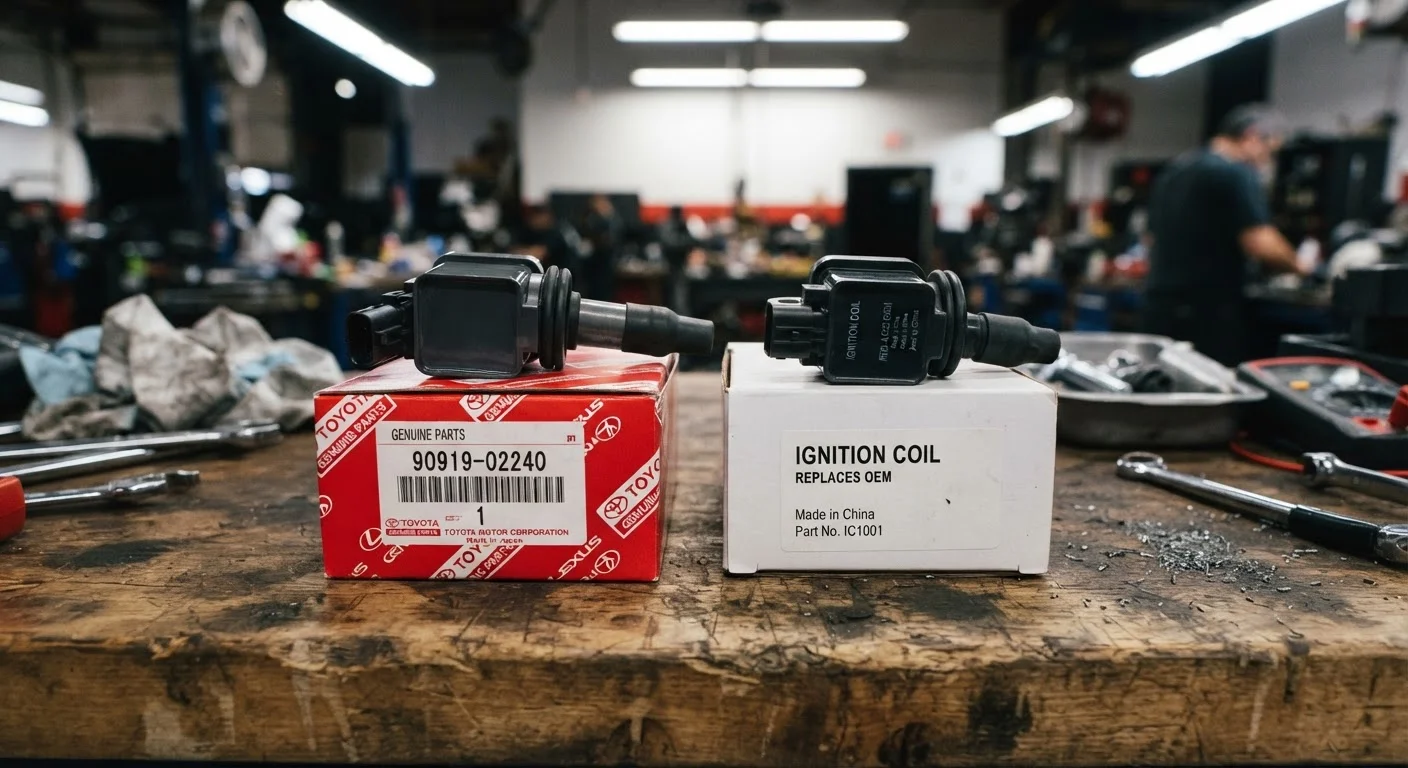
This specialization has real value for certain repairs. A shop certified to service a specific make may have access to technical service bulletins and factory repair procedures that a generalist shop doesn't. Whether that premium is worth it depends on the complexity of the job and the age of your vehicle. Parts sourcing intersects here too — see how OEM vs. aftermarket parts choices affect your total repair cost alongside labor.
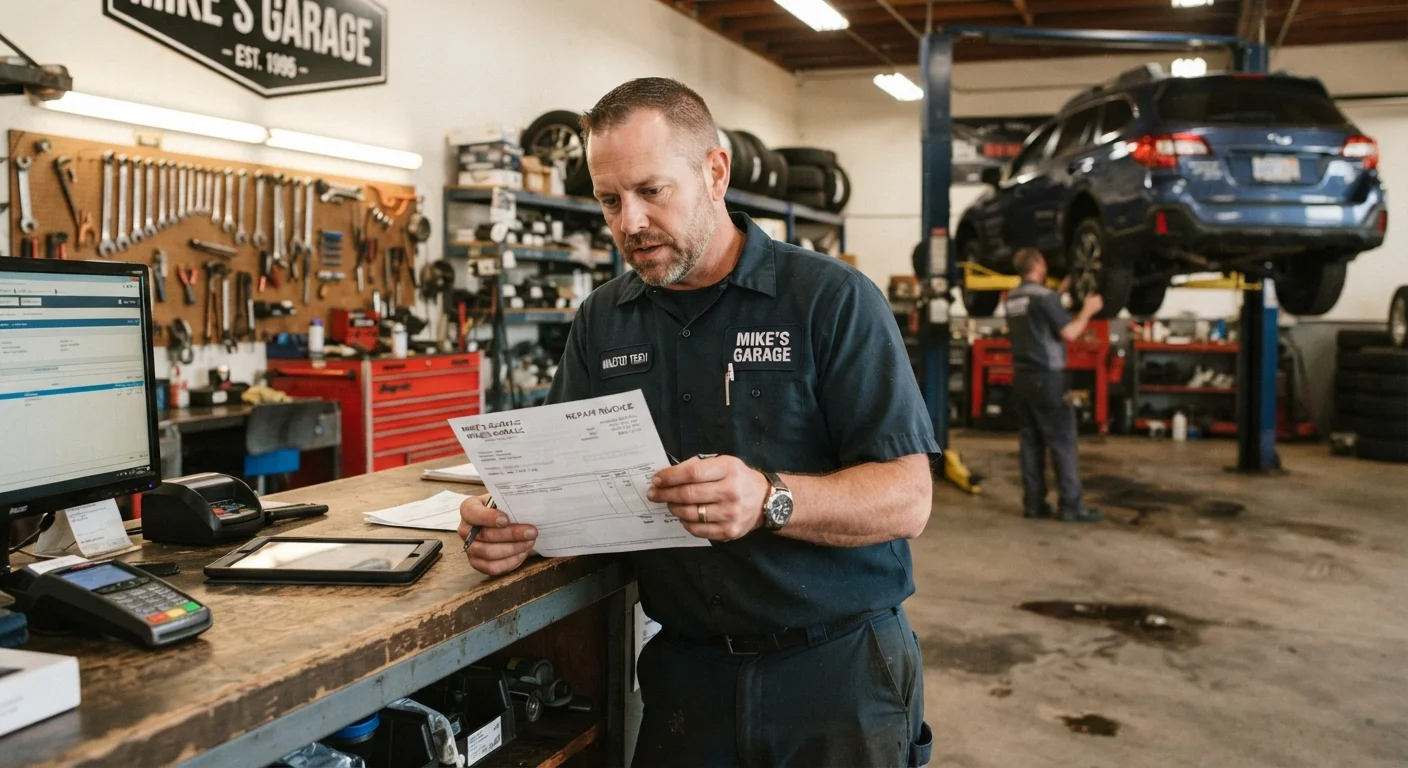
Before approving any significant repair, it's worth asking your shop a few direct questions. The questions to ask before approving a repair can help you assess whether the rate reflects genuine expertise.