
What Each Development Type Actually Involves
Residential and commercial development both follow the same basic arc — acquiring land, securing approvals, building, and delivering a finished product — but the details of each step differ considerably. Understanding those differences matters whether you are evaluating a parcel, assessing a market, or simply trying to understand how the built environment comes together.
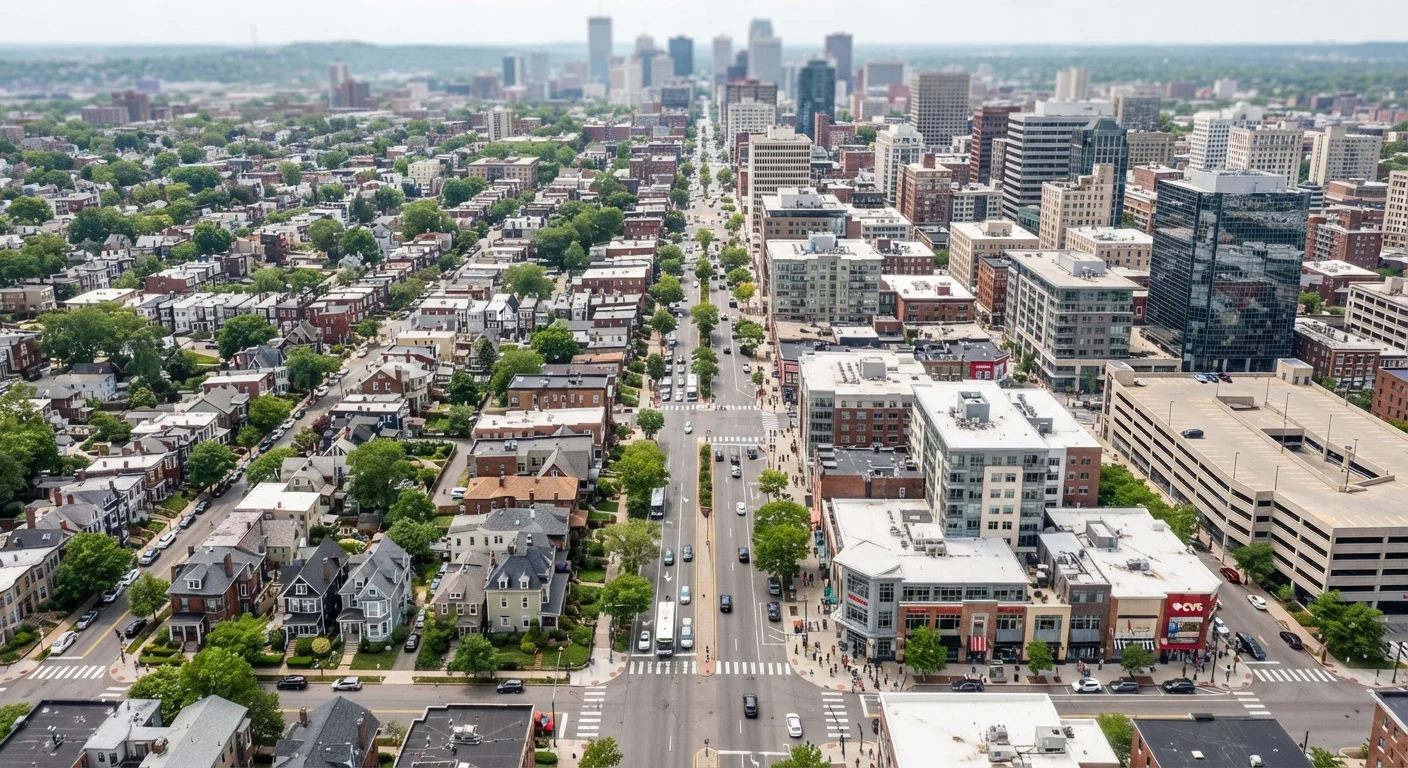
Residential development produces housing: single-family homes, duplexes, townhomes, condominiums, and apartment buildings. The end product is a place where people live. Commercial development, by contrast, produces space where business activity occurs — offices, retail shops, warehouses, hotels, and medical facilities. Property development as a whole shares common principles, but the residential and commercial tracks operate under distinct regulatory, financial, and market frameworks.
| Criterion | Residential Development | Commercial Development |
|---|---|---|
| Primary zoning class | Residential (R-zones) | Commercial or Industrial (C/I-zones) |
| End users | Homeowners and renters | Businesses and commercial tenants |
| Permitting complexity | Moderate (standardized for small builds) | High (traffic, environmental, fire reviews) |
| Financing basis | Comparable sales and absorption rates | Projected income and debt coverage ratios |
| Typical loan sources | Banks, FHA, Fannie Mae programs | Commercial banks, institutional lenders, equity partners |
| Primary demand driver | Population growth and household formation | Business activity and employment trends |
| Lease structure | Month-to-month or annual leases (rentals) | Multi-year NNN or gross leases |
| Typical development timeline | 18–36 months (small to mid-scale) | 3–7 years (large-scale projects) |
Zoning, Permitting, and Regulatory Differences
Zoning is the foundational divide. Local governments classify land into use categories — residential, commercial, industrial, agricultural, and mixed-use — and those classifications determine what can legally be built on a given parcel. A site zoned R-1 for single-family housing cannot host a strip mall without a rezoning process, and vice versa. Zoning laws shape every development decision, including density allowances, setbacks, building height, and parking requirements.
Permitting complexity also diverges. Residential projects — particularly single-family and small multifamily — often move through local building departments on relatively standardized timelines. Commercial projects, especially those involving large footprints, traffic generation, or environmental impact, typically require additional review layers: traffic studies, environmental impact assessments, fire safety analyses, and sometimes state-level approvals. This adds time and cost before a shovel ever breaks ground.
Mixed-Use Zoning Adds Another Layer
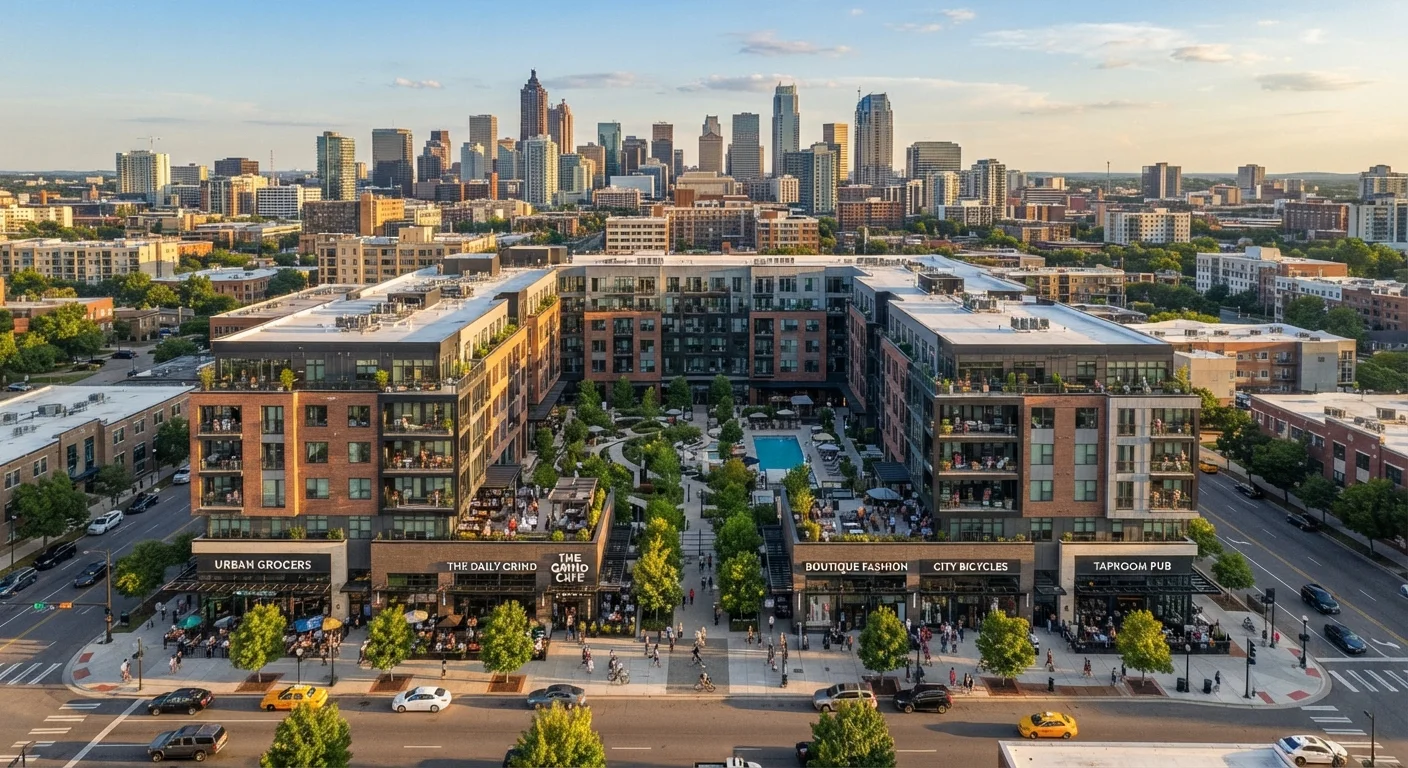
Some jurisdictions allow mixed-use zoning that permits both residential and commercial uses within the same structure or parcel. This can reduce the all-or-nothing risk of a single-use project, but it also means developers must navigate two regulatory frameworks simultaneously. Approval processes for mixed-use projects often combine elements from both residential and commercial review tracks, making early engagement with local planning departments especially important.
Financing Structures and Capital Sources
How each project type is financed reflects its risk profile and cash flow characteristics. Residential construction loans — particularly for single-family subdivisions and smaller multifamily projects — are often underwritten based on comparable home sales and absorption rates in the surrounding market. Government-sponsored programs through entities such as Fannie Mae and FHA create additional liquidity options that simply do not exist on the commercial side.
Commercial development financing is underwritten primarily on projected income: estimated rents, occupancy rates, and the resulting net operating income. Lenders assess debt service coverage ratios and loan-to-value ratios tied to an income-generating asset, not an owner-occupied home. This makes commercial loans more sensitive to lease-up risk and market conditions. Development financing structures, including construction loans and equity capital stacks, apply to both types — but commercial deals routinely involve larger equity requirements and more complex syndication arrangements.
5–10%
Typical equity requirement for residential construction loans
Residential construction financing through government-backed programs can require as little as 5–10% equity, depending on borrower qualifications and program type.
25–40%
Typical equity requirement for commercial construction loans
Commercial lenders generally require 25–40% equity contribution from the developer before committing debt capital, reflecting the higher income-based risk profile.
5–20 years
Typical commercial lease term length
Commercial leases — especially for anchor retail, office, or industrial tenants — routinely run five to twenty years, providing long-term income stability compared to residential rentals.
Market Drivers, Risk, and Timeline
The forces that create demand are different for each development type. Residential demand correlates with population growth, household formation, job creation, and interest rate conditions. Commercial demand tracks business expansion, employment concentration, consumer spending, and supply chain logistics — depending on the asset class.
Risk profiles also differ. Residential developments often face absorption risk (how quickly units sell or lease), while commercial projects carry lease-up risk that can extend for years if anchor tenants do not materialize. A vacant big-box retail space creates a fundamentally different problem than an unsold condominium unit.
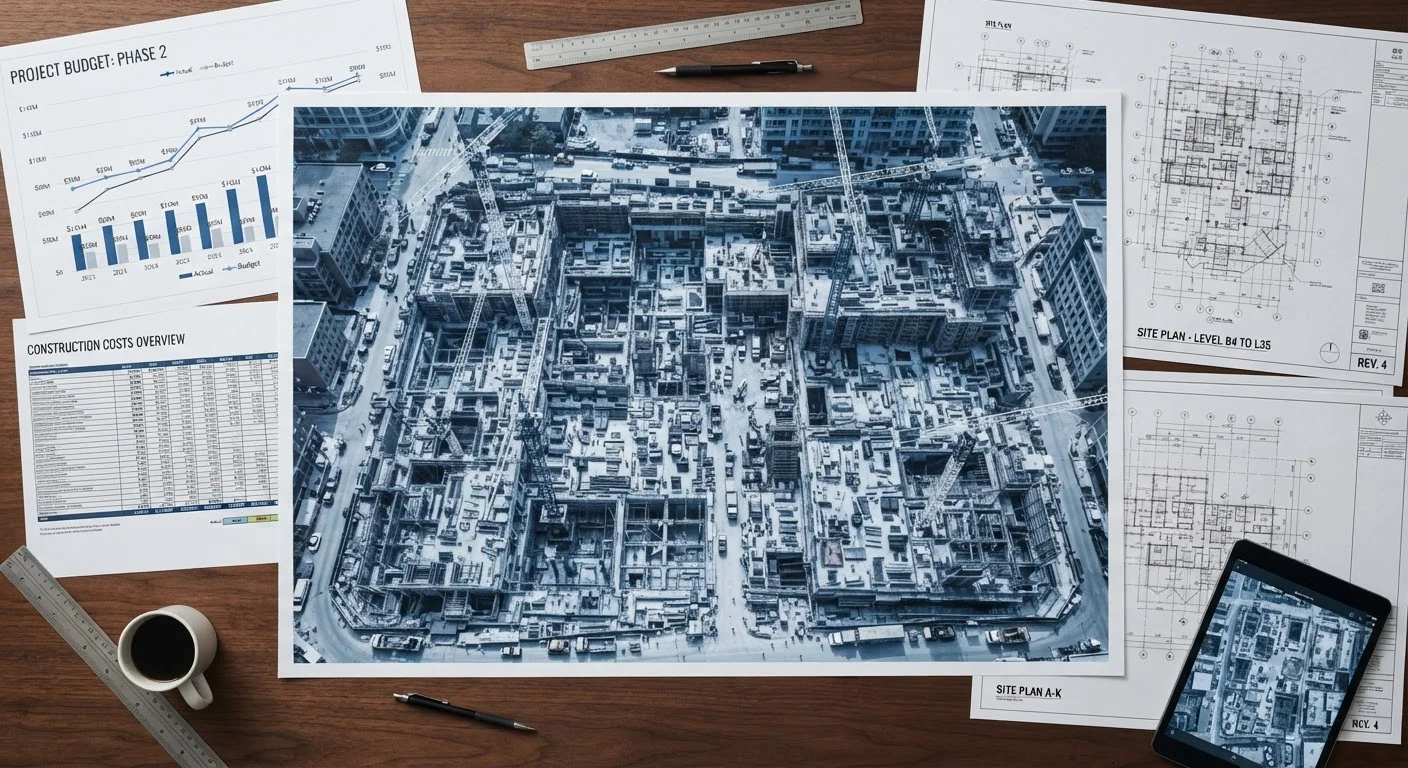
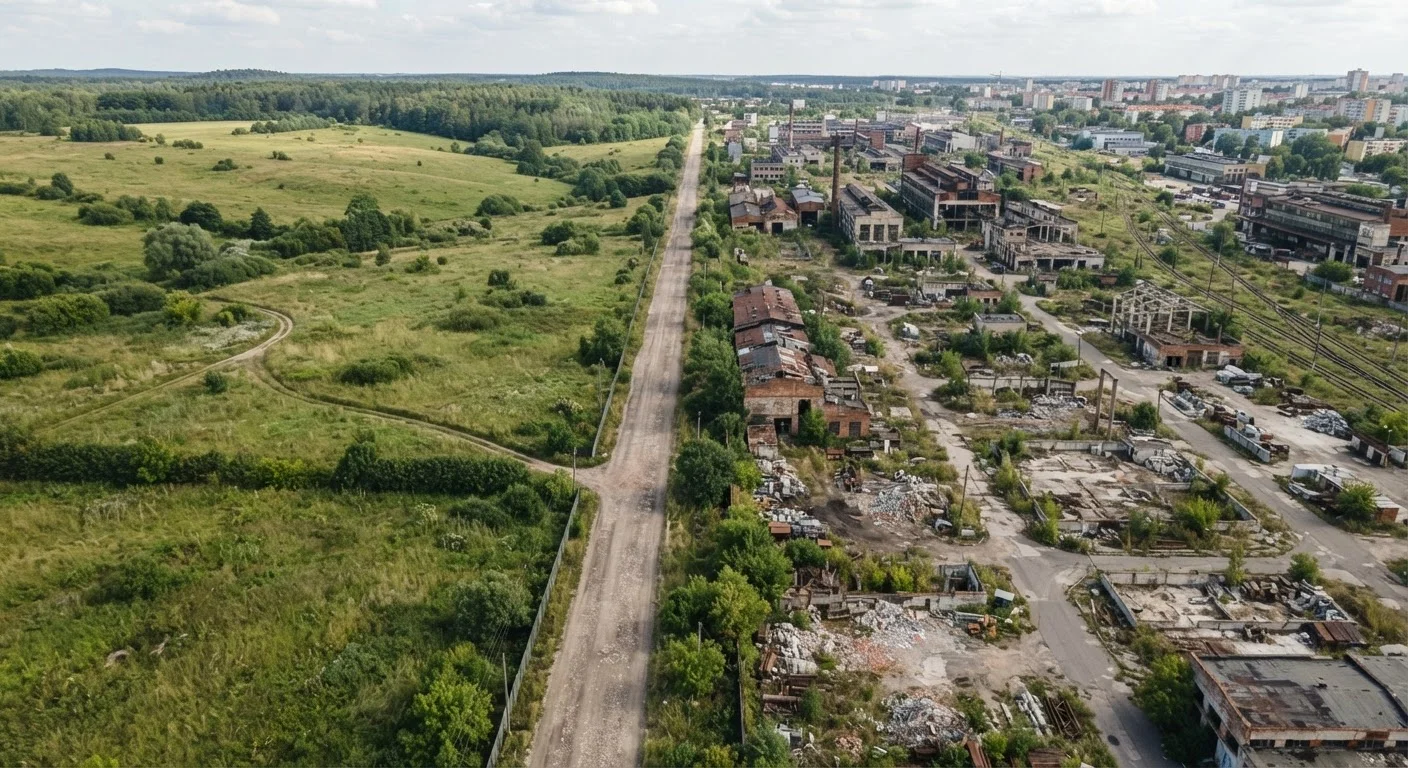
Timeline disparities are common. A small residential subdivision might go from site control to unit delivery in eighteen to thirty-six months. A large commercial project — say, a multi-story office building or a regional distribution center — can take considerably longer from entitlement through construction. For context on how site conditions shape these timelines, greenfield versus brownfield considerations add another layer of complexity regardless of development type.
Some projects deliberately combine both worlds. Mixed-use development blends residential units with retail or office space, attempting to capture demand from multiple sources while managing the regulatory complexity that both types bring.