
Why Some Pieces Deserve a Higher Budget
Not every clothing purchase deserves equal spending. A smart wardrobe strategy recognizes that some pieces work harder than others — they're worn more often, styled more ways, and visible in more situations. Spending more on those pieces, and less on trend-driven or rarely worn items, is the core logic behind wardrobe investment thinking.
The calculation is simple: a coat worn 150 days a year for five years has a very different cost-per-wear than a novelty blouse used twice. When evaluating whether a higher price is justified, frequency of use and versatility are the two most important variables. As a complement to that thinking, a smaller, smarter wardrobe built around multi-use pieces stretches value further than a large closet full of single-purpose items.
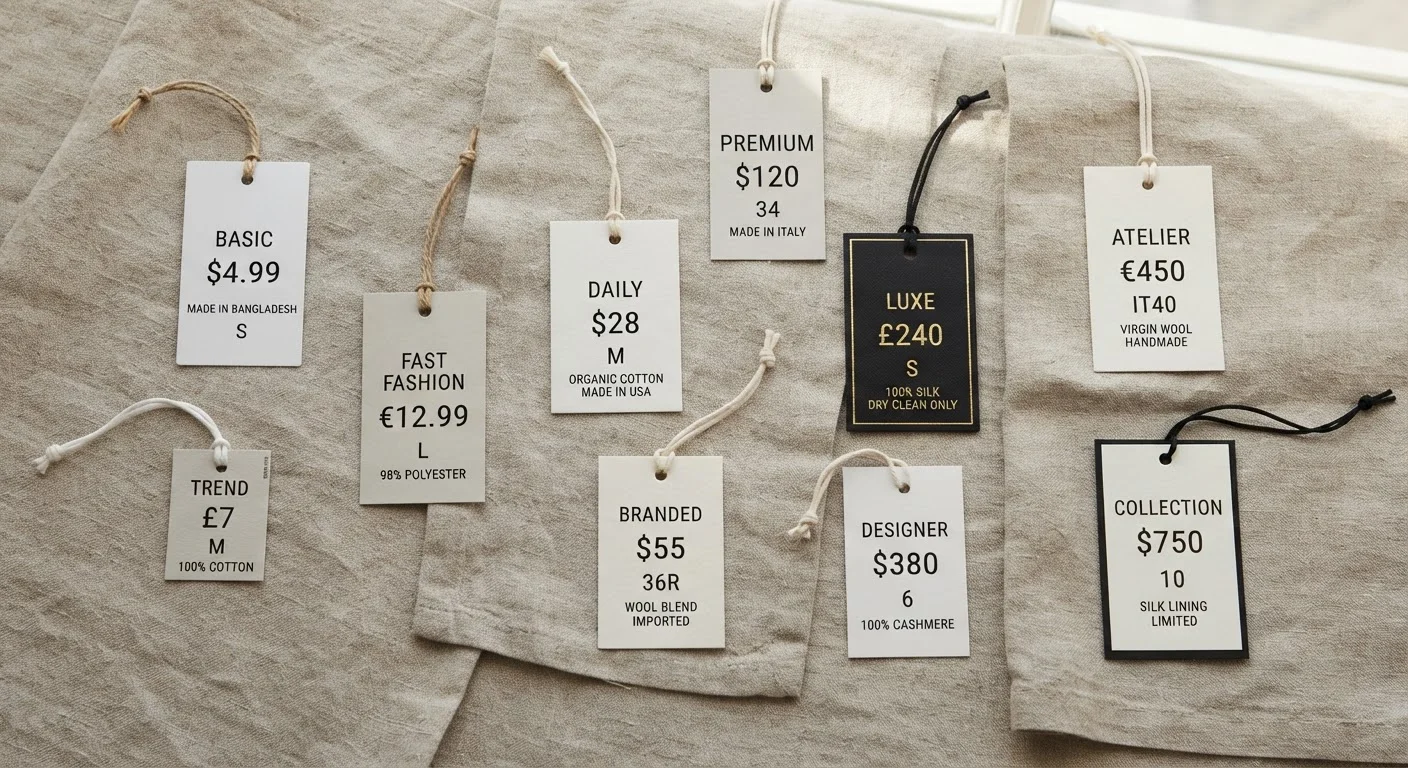
It's also worth noting that price alone doesn't guarantee durability. Price doesn't always predict how long a garment holds up — what matters more is fabric composition, stitching quality, and construction integrity.
The Wardrobe Pieces That Earn Their Cost
Certain categories consistently justify higher spending because of how central they are to everyday dressing. Below are the practices that help you identify and invest in those pieces wisely.
Invest in a well-constructed outerwear piece you'll wear across multiple seasons.
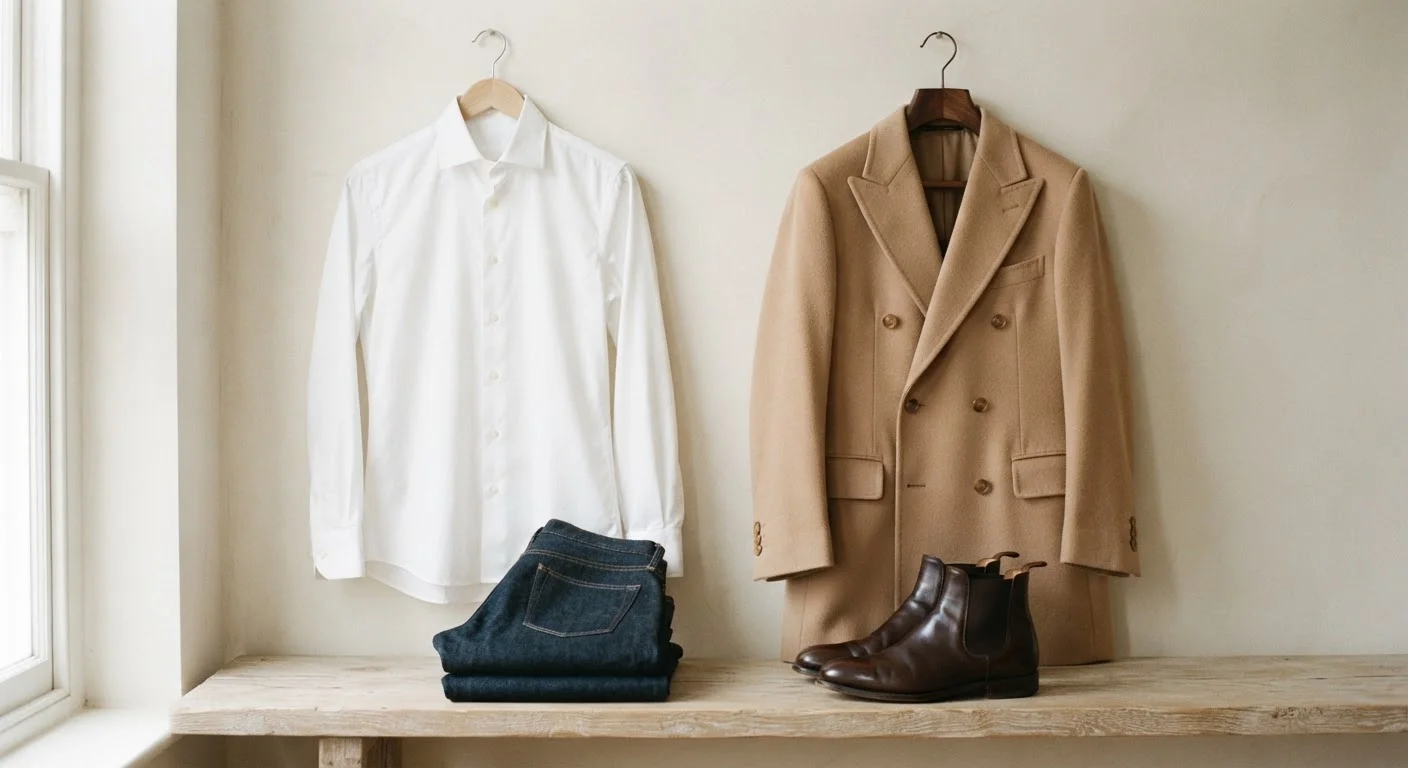
A coat or structured jacket is one of the most visible garments in your wardrobe and gets worn in nearly every cold-weather or transitional-weather situation. Durability in outerwear translates directly into years of reliable use. Cheap alternatives often lose shape, lining integrity, or closure function within a single season.
Prioritize quality in footwear, especially everyday shoes and work-appropriate styles.
Shoes endure more physical stress than almost any other garment. Low-quality construction leads to sole separation, poor arch support, and rapid deterioration. Well-constructed leather or genuine suede footwear, resoled as needed, can last a decade or more.
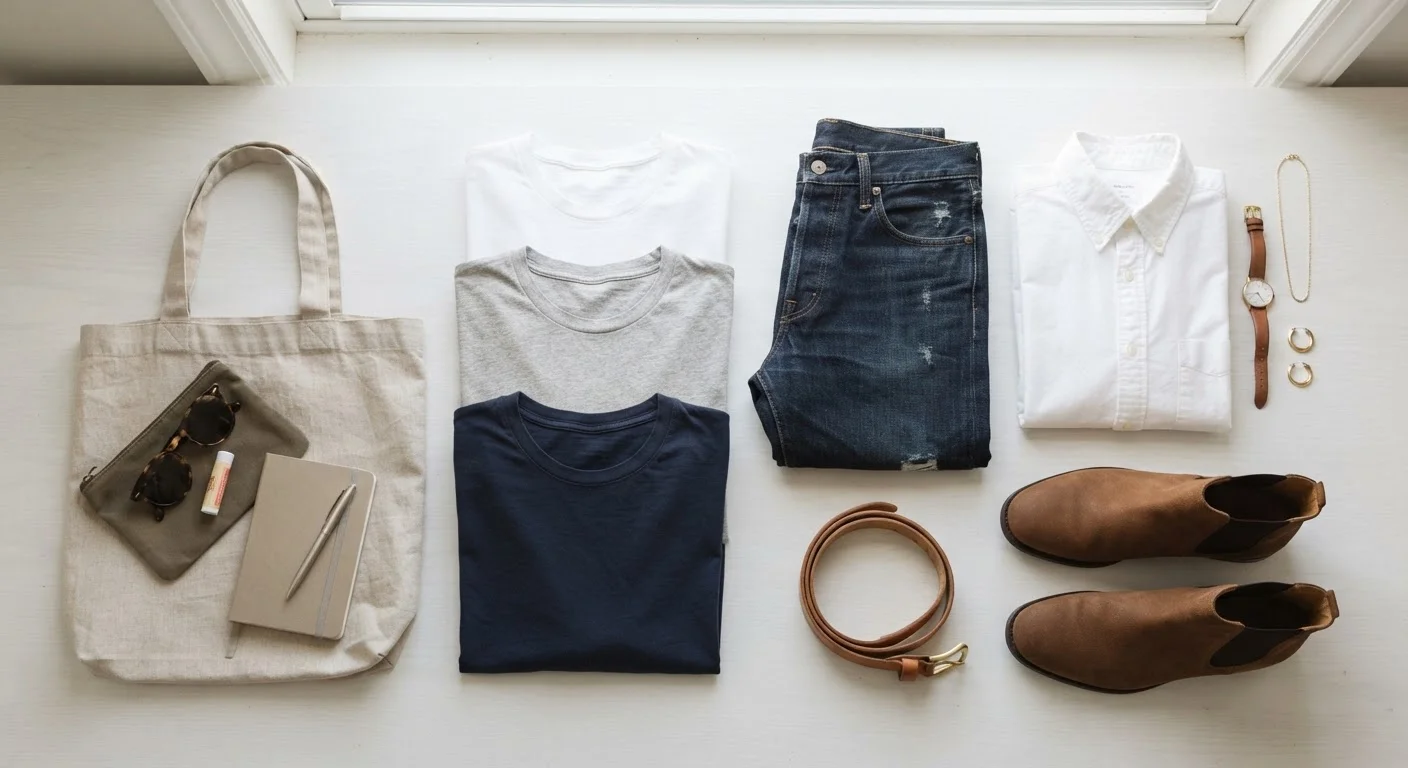
Choose natural-fiber basics — particularly in shirts and trousers — over synthetic blends.
Cotton, wool, and linen breathe better, hold their shape longer, and generally launder more predictably than polyester-heavy blends. For foundational items worn against the skin daily, fabric quality directly affects comfort and longevity.
Spend more on denim that fits your body consistently and is built with heavier-weight fabric.
Jeans are among the most frequently worn garments in most American wardrobes. Lightweight or poorly finished denim fades unevenly, loses structure at the knees, and develops wear holes much earlier than heavier-weight options. A reliable pair can outlast several budget alternatives.
Invest in structured bags or totes used daily rather than decorative or occasion-only accessories.
A bag carried five days a week absorbs significant wear at its handles, base, and closures. Reinforced stitching, quality hardware, and genuine leather or canvas construction determine whether a bag lasts two years or ten. Occasion-only bags, by contrast, rarely justify premium spending.
Quick Wins to Start Building Smarter
If you're ready to rethink how you allocate your clothing budget, a few immediate actions can make a meaningful difference. These steps don't require a full wardrobe overhaul — just a more intentional approach to your next purchase.
If you're building a wardrobe on a tight budget, the same logic applies: prioritize the highest-use pieces first, and fill in the rest over time. And whatever you spend, fit matters more than brand or price — a well-fitted mid-range jacket will always outperform an ill-fitting luxury one. For those navigating seasonal transitions, weighing year-round versus seasonal pieces can further sharpen your investment priorities.