
Why the Price-Durability Equation Falls Apart
Many shoppers assume that spending more on clothing guarantees a garment that will hold its shape, color, and structure for years. It's an intuitive leap — higher prices should mean better materials and craftsmanship, right? In practice, the relationship between cost and longevity is far more complicated.
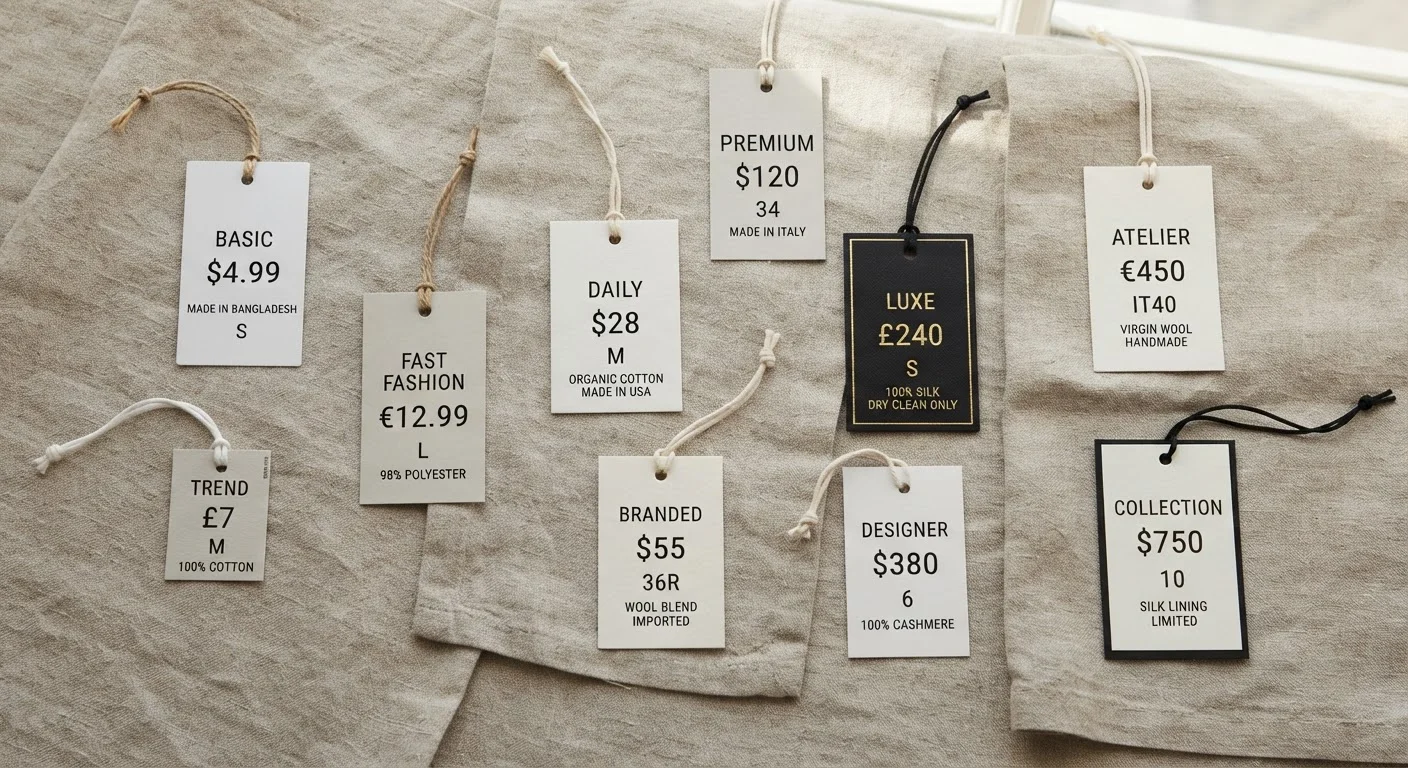
A significant portion of what you pay for at luxury price points covers brand positioning, marketing, retail markups, and designer name recognition — not necessarily superior construction. Conversely, some mid-range and even budget-tier garments are built on solid foundations: tightly woven fabrics, reinforced seams, and materials that respond well to regular washing.
Understanding what actually drives durability helps you shop smarter across any budget. As we explore in which wardrobe pieces are genuinely worth a higher spend, selectivity — not blanket spending — is what builds a lasting closet.
Myth
If a piece of clothing costs more, it must be made from better materials that will last longer.
Fact
Price reflects many factors — branding, retail location, marketing — not just material quality. Fabric composition and weave density are better durability indicators than cost.
Luxury pricing often accounts for intangibles: designer reputation, flagship store overhead, and advertising. A $200 blouse may use the same fabric weight as a $40 alternative, depending on the brand's sourcing decisions. Checking the fabric content label and physically assessing the weave are more reliable than trusting the price tag.
Myth
Fast fashion items always fall apart after a few washes.
Fact
Longevity depends on specific construction and care, not the retail category. Some fast fashion pieces hold up; others don't — the same variability exists at higher price points.
Fast fashion is a production and business model, not a uniform quality level. Pieces vary significantly even within the same retailer. Examining seam finishing, fabric hand-feel, and stitching consistency gives you more useful information than the store's price tier alone. Proper care — cool water, low heat drying — also extends fast fashion garment life considerably.
Myth
Dry cleaning is always better for preserving clothes than washing them at home.
Fact
Dry cleaning uses chemical solvents that can degrade certain fibers over time. For many garments, gentle home washing is equally or more preservation-friendly.
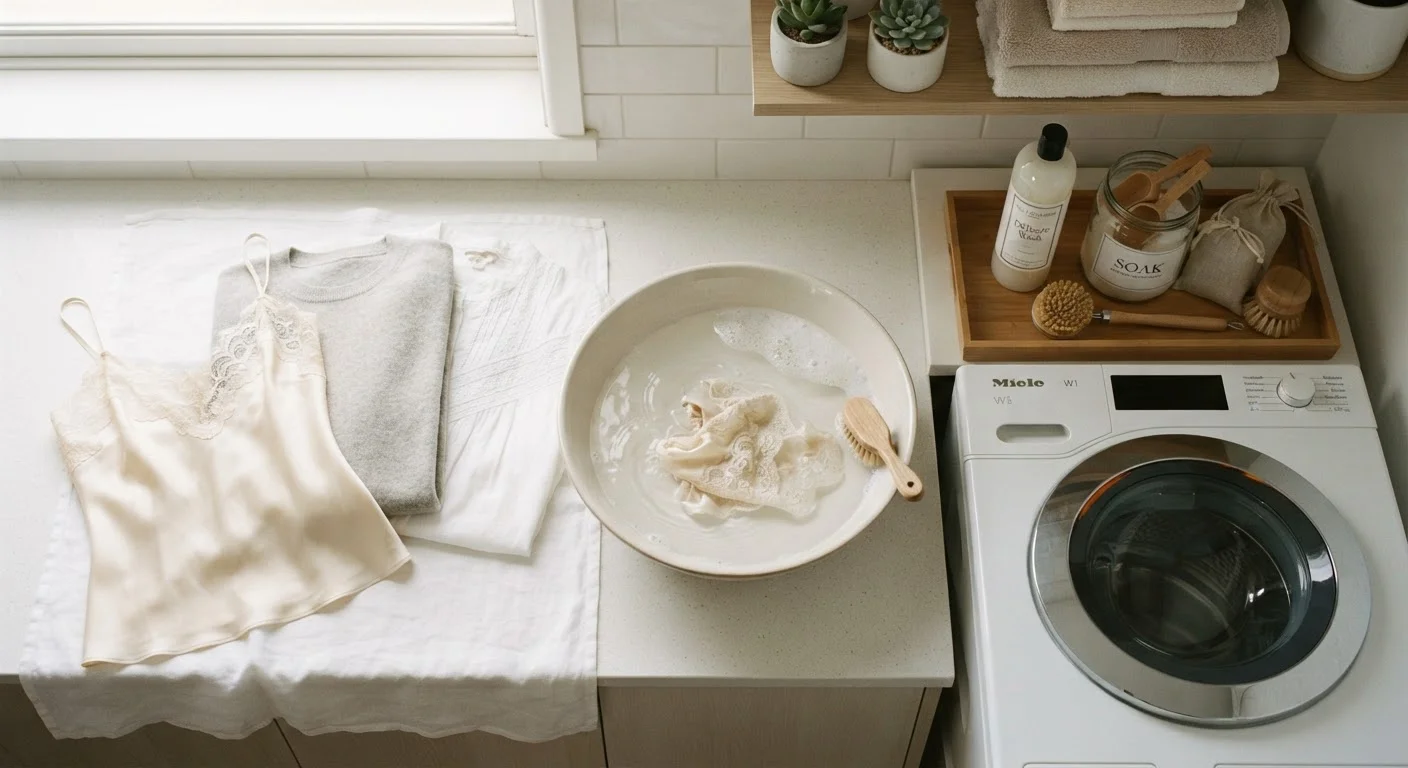
Dry cleaning is appropriate for structured garments like tailored blazers or garments labeled 'dry clean only.' But repeated solvent exposure can weaken delicate fabrics over time. Many garments marked 'dry clean recommended' — not 'only' — respond well to careful hand-washing in cool water with a gentle detergent, which is gentler on fibers than repeated chemical cleaning.
Myth
Natural fibers like cotton and linen are always more durable than synthetic ones.
Fact
Durability depends on fiber quality, weave structure, and construction — not simply whether the fabric is natural or synthetic. High-quality synthetics can outlast low-grade natural fibers.
Tightly woven polyester can be highly resistant to pilling, fading, and moisture damage. Meanwhile, loosely woven natural linen can tear or fray relatively quickly. What matters is the specific quality and construction of the fiber in question. Many high-performance and workwear fabrics intentionally blend synthetics with naturals to balance comfort with resilience.
Myth
Pilling means a garment is low quality and will deteriorate quickly.
Fact
Pilling is caused by fiber friction and affects even premium natural fibers like merino wool and cashmere. It doesn't necessarily predict overall garment failure.
Pilling occurs when short fiber ends tangle together under friction — at underarm areas, sleeve cuffs, or where a bag rubs against a shoulder. High-quality merino and cashmere are among the most prone fabrics, yet they're considered premium materials. A fabric shaver can remove pills and restore the surface, extending a garment's usable life significantly.
What Actually Determines How Long a Garment Lasts
Once you move past price, several concrete factors consistently predict garment longevity.
Fabric Composition
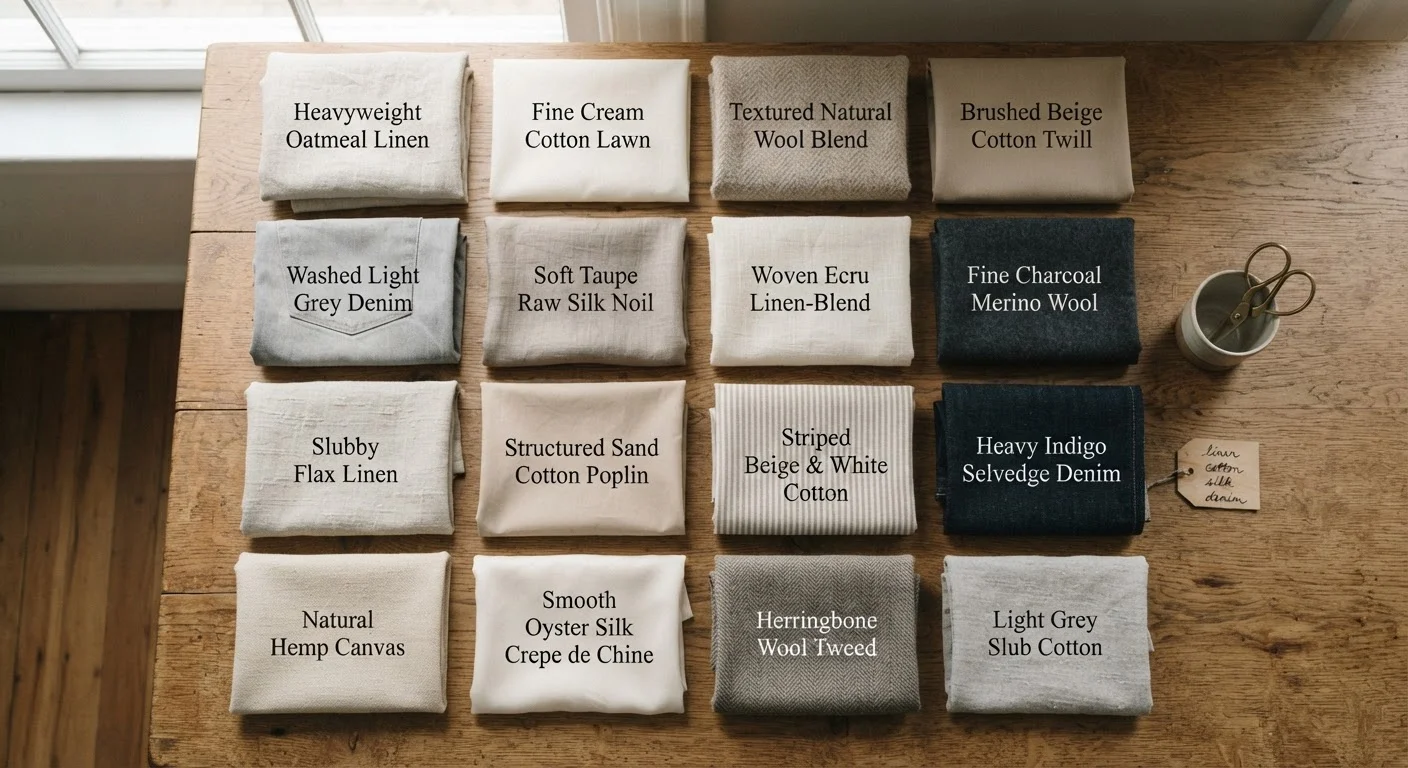
Natural fibers like tightly woven cotton, wool, and linen tend to be durable and breathable, but they vary enormously in weight and quality even within the same category. Fabric weight (measured in grams per square meter, or GSM) is a practical starting point: heavier fabric typically wears longer. A fabric guide covering common clothing materials can help you understand what different fibers actually feel like in daily wear.
Construction Details
Flip a garment inside out before buying. Look for finished seam edges (serged or French seams) rather than raw, fraying edges. Count the stitches per inch — more stitches mean a stronger seam. Check that buttons are sewn with a thread shank and that zippers lie flat without puckering. These details are visible and free to inspect regardless of price.
Care and Maintenance
Even the most well-constructed garment degrades quickly under the wrong care conditions. Heat is particularly damaging — high dryer temperatures break down elastic fibers and shrink fabrics. The choice between hand-washing and machine-washing delicate clothes can make a meaningful difference in how many wears a piece survives.
~60%
Garment lifespan reduction from overwashing
Research cited by sustainability groups suggests that washing clothes more frequently than necessary is one of the primary contributors to accelerated fiber breakdown and color loss.
3–5x
Longer wear from proper garment care
Clothing care advocates note that following label instructions — including correct water temperature and drying method — can multiply a garment's useful lifespan several times over compared to careless washing.
Making Smarter Choices Regardless of Budget
Reorienting your shopping habits around quality signals — rather than price signals — pays off over time. When evaluating any garment, hold it up to light to check weave density, tug gently at seams to test their strength, and read the care label to gauge how demanding the upkeep will be.
Secondhand shopping adds another dimension to this equation. A well-constructed older garment available at a thrift price can deliver better long-term value than a new fast fashion piece at a similar cost. The tradeoffs between thrift store shopping and fast fashion are worth understanding before defaulting to either extreme.
Fit also plays a subtle role in longevity. Garments that fit well distribute stress across the fabric more evenly, reducing wear at seams and stress points. A piece that's too tight will strain at the shoulders and seat; one that's too loose snags and drags. Why fit matters more than brand or price is a concept that applies directly to durability, not just appearance.
Don't Confuse Brand Markup With Craftsmanship
Some well-known labels charge premium prices primarily for their name recognition, not for superior construction. Before assuming an expensive purchase will last, inspect it the same way you would any other garment: check the seams, feel the fabric weight, and read the care instructions. A high price does not exempt a garment from scrutiny.
Building a wardrobe that lasts isn't about spending more across the board. It's about reading the right signals, caring for what you own, and resisting the assumption that a higher tag is a durability guarantee.