
Why the Scalp Is the Starting Point for Hair Health
Hair care conversations often focus on the strand — split ends, shine, moisture levels — but the strand itself is a product of what happens at the scalp. Every hair on your head grows from a follicle, a small structure anchored in the dermis layer of the scalp skin. That follicle needs a stable, well-supplied environment to produce hair efficiently.
When the scalp is congested with product buildup, inflamed from a skin condition, or stripped of moisture by harsh cleansers, the follicle environment is compromised. The result isn't always dramatic hair loss — it can show up as slower growth, increased breakage close to the root, or hair that feels weak from the start. Think of the scalp as soil: hair will only be as resilient as the ground it grows from.
Understanding this connection is the foundation for making smarter decisions about your entire hair care routine. See our step-by-step routine guide for a practical framework that builds on this principle.
~100,000
Average number of hair follicles on the human scalp
Dermatology references consistently cite roughly 100,000 follicles on the average adult scalp, though this varies by individual and hair color.
2–6 years
Average duration of the active hair growth phase
The anagen (growth) phase of the hair cycle typically lasts between two and six years per follicle before transitioning to resting and shedding phases.
50–100
Strands shed per day considered normal
The American Academy of Dermatology notes that losing 50 to 100 hairs daily is within the normal range for most adults.
Common Scalp Conditions and What They Signal
Several skin conditions primarily or frequently affect the scalp, and recognizing them helps you respond appropriately rather than guessing.
- Seborrheic dermatitis (dandruff): Characterized by flaking, itching, and sometimes redness, this is one of the most common scalp conditions. It is associated with an overgrowth of a naturally occurring yeast called Malassezia. Medicated shampoos containing ingredients like zinc pyrithione or ketoconazole are commonly recommended — but a dermatologist can confirm the diagnosis and guide treatment.
- Dry scalp: Often confused with dandruff, dry scalp produces smaller, whiter flakes without the oiliness associated with seborrheic dermatitis. It's frequently triggered by over-washing, cold weather, or products that strip natural oils.
- Scalp psoriasis: A chronic autoimmune condition that causes thick, silvery scale buildup. This requires medical management and is distinct from ordinary dandruff.
- Contact dermatitis: A reaction to a specific ingredient — often a fragrance, preservative, or dye in a hair product — causing localized irritation or rash.
None of these conditions should be self-treated indefinitely without improvement. Persistent scalp symptoms — particularly those accompanied by significant hair shedding — warrant professional evaluation.
Dandruff and Dry Scalp Are Not the Same
These two conditions are frequently confused because both cause visible flaking, but their causes differ. Dandruff (seborrheic dermatitis) is linked to yeast overgrowth and an oily scalp environment, while dry scalp is caused by insufficient moisture. Treating dry scalp with an anti-dandruff shampoo can actually worsen it. If you're unsure which you have, a dermatologist can help distinguish them.
Habits That Support a Healthy Scalp Environment
While some scalp conditions require medical treatment, day-to-day habits have a measurable effect on scalp baseline health. These aren't complicated interventions — they're consistent practices.
Cleanse Regularly, But Don't Over-Strip
Shampooing removes sebum (natural scalp oil), sweat, dead skin cells, and product residue. The goal is to keep the scalp clear without disrupting its natural oil balance. Sulfate-free formulas tend to be gentler and are a reasonable choice for those with sensitive or dry scalps. For context on how conditioning products fit in, our guide on conditioners, deep conditioners, and hair masks explains the differences.
Minimize Physical Tension on the Scalp
Tight hairstyles worn repeatedly and over long periods can place stress on follicles — a pattern associated with a type of hair loss called traction alopecia. Varying your styles and avoiding consistently tight pulls helps reduce that cumulative tension.
Be Mindful of Product Buildup
Heavy styling products, dry shampoos, and leave-in treatments can accumulate at the scalp over time. Regular clarifying washes — appropriate to your hair type — help prevent this buildup from affecting follicle function.
For a fuller picture of which hair care habits are actually supported by evidence, see habits that consistently matter.
Try a Weekly Scalp Check-In
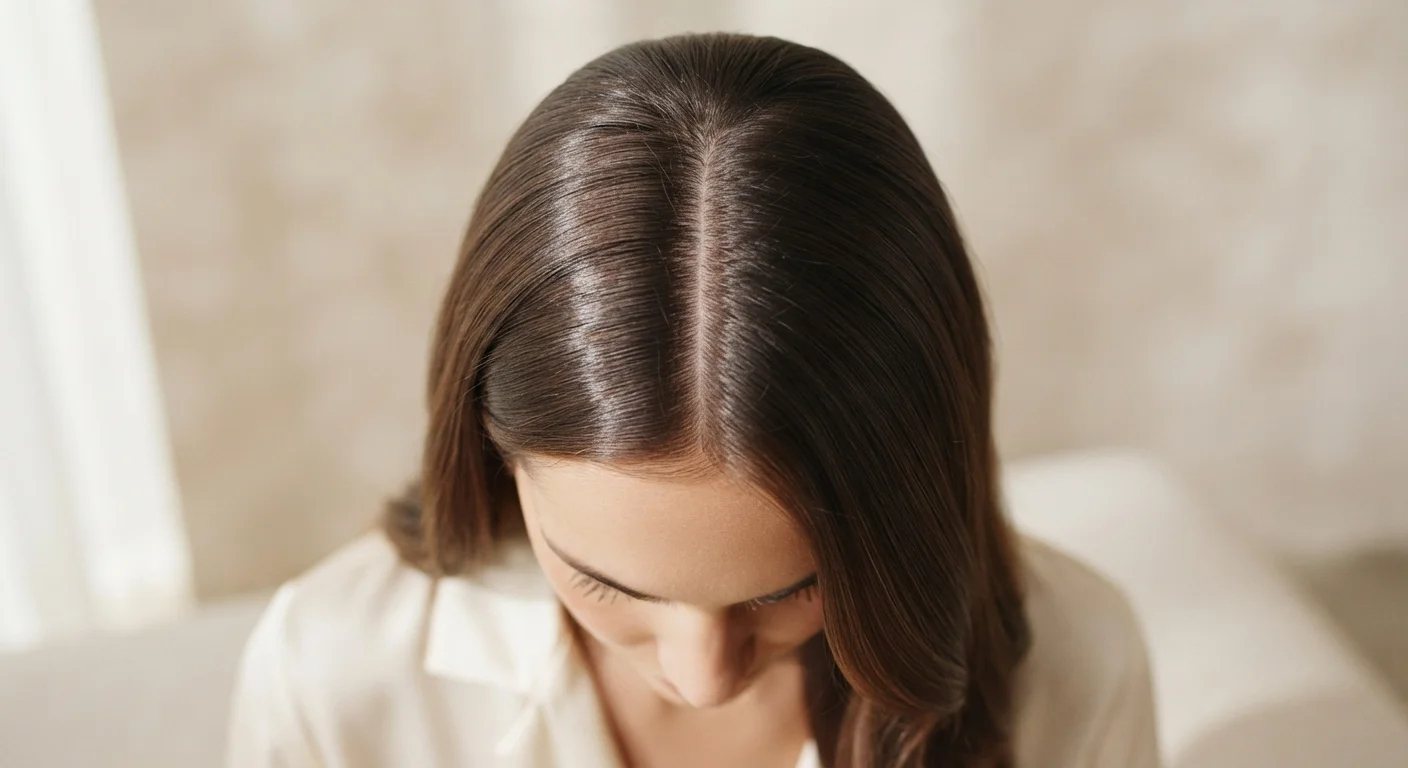
Once a week, take a moment before washing to assess your scalp — part your hair in a few places and look for flaking, redness, or excessive oiliness. This quick habit helps you notice changes early and adjust your routine proactively rather than reacting to problems after they've escalated.
The Role of Circulation, Nutrition, and Stress
Hair follicles are metabolically active structures that require steady blood supply to deliver oxygen and nutrients. Factors that affect overall circulation or systemic health can therefore show up at the scalp.
Nutritional deficiencies — particularly in iron, zinc, and certain B vitamins — are documented contributors to hair thinning and shedding. This is general educational information, not a recommendation to self-supplement; if you suspect a deficiency, blood work ordered by a healthcare provider is the appropriate starting point. For broader context on nutrition and how dietary patterns affect the body, the Nutrition & Diet hub offers a useful foundation.
Stress is another well-documented factor. A condition called telogen effluvium — temporary widespread hair shedding — can follow periods of significant physical or emotional stress, illness, or major surgery. Hair typically regrows after the stressor resolves, but the timeline varies and the experience can be distressing. A dermatologist or physician can provide appropriate guidance if this occurs.
How your hair type and texture interact with scalp care can also shape your approach. Understanding hair type, texture, and density helps clarify why no single scalp care routine works for everyone.
This article is for general informational and educational purposes only and is not a substitute for professional medical or dermatological advice. If you have concerns about scalp health or hair loss, consult a qualified healthcare provider.