
The Core Difference: One Unit vs. Two
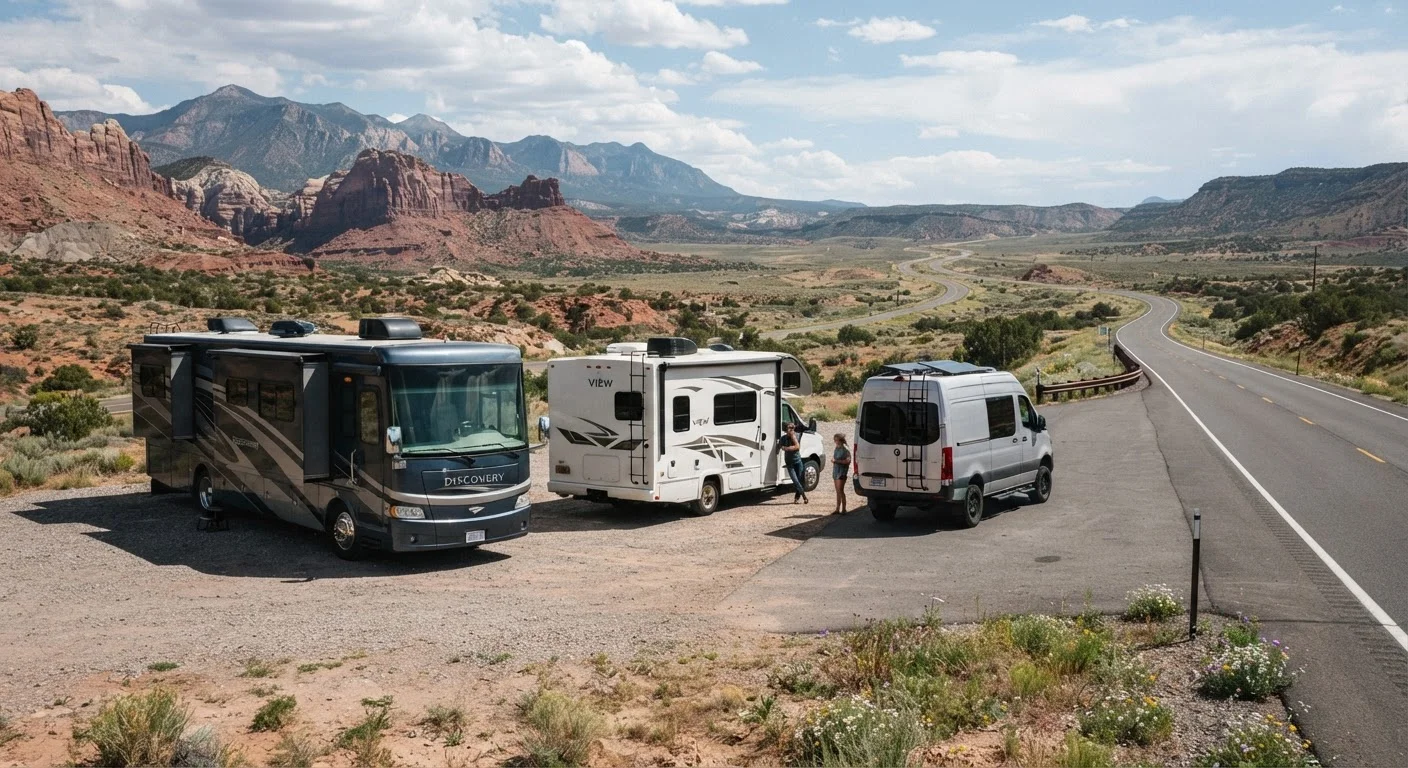
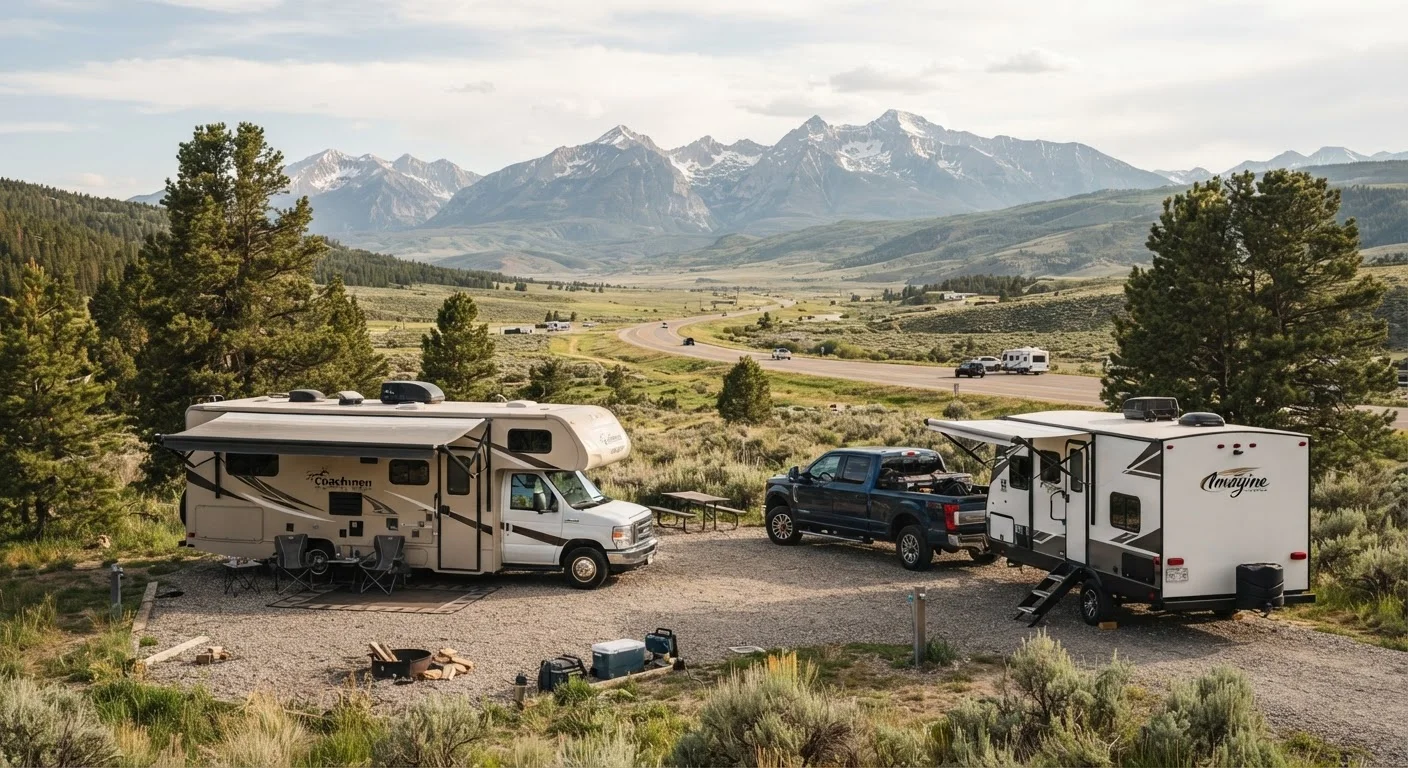
A motorhome integrates engine, cab, and living quarters into a single vehicle. You drive it, sleep in it, cook in it - and when you're ready to leave, you turn the key and go. A towable camper (whether a travel trailer, fifth wheel, or pop-up) is pulled by a separate vehicle and unhitched at the campsite.
That structural difference ripples through nearly every practical aspect of camping life: how easily you move between sites, what you do once parked, how much you spend upfront, and what happens when something breaks. For a closer look at motorhome classifications specifically, see our guide on Class A, B, and C motorhomes.
| Motorhome | Towable Camper | |
|---|---|---|
| Vehicle needed | Self-contained - no tow vehicle required | Requires a rated tow vehicle |
| Setup at campsite | Minimal - level and connect utilities | Unhitch, level, stabilize, connect utilities |
| Local exploration when parked | Must tow a secondary car or use rideshare | Unhitch tow vehicle and drive freely |
| Upfront cost (comparable size) | Generally higher | Generally lower |
| Access to remote or tight sites | Limited for larger classes; better for Class B | Smaller trailers reach more sites |
| Maintenance complexity | Higher - engine and living space age together | Lower - systems are separable |
| Upgrade flexibility | Replace entire unit to upgrade | Swap camper or tow vehicle independently |
Daily Convenience on the Road
Motorhome travelers gain a meaningful advantage in day-to-day logistics. You pack once. Passengers can move through the cabin during a rest stop. There's no coupling and uncoupling routine at every site. If you're touring national parks with short stays or moving campgrounds every two or three days, that streamlined process adds up quickly.
Towable campers flip this dynamic once you're parked. Your tow vehicle - whether a truck, SUV, or minivan - is free to explore. Want to drive into town for groceries or take a mountain road your 35-foot rig could never navigate? You simply unhitch and go. Motorhome travelers who want the same flexibility typically tow a small car behind them (a setup called flat towing or using a tow dolly), which adds cost and complexity.
Try Before You Commit
Renting both a motorhome and a towable camper before purchasing is one of the most practical ways to test your assumptions. A week in each setup will reveal preferences - about driving feel, setup routines, and daily convenience - that no amount of research can fully anticipate. Many RV rental platforms offer short-term access to a wide variety of rigs.
Cost: Sticker Price vs. Total System Cost
Towable campers generally carry lower purchase prices than comparable motorhomes. A well-equipped travel trailer might cost significantly less than a Class C motorhome with similar sleeping and kitchen capacity. But the full cost picture is more nuanced.
If you don't already own a truck or SUV rated for the trailer's weight, that's a separate major purchase. Towing capacity requirements aren't flexible - understanding them before you shop is essential. Our piece on common RV myths addresses the widespread misconception that any truck can handle any trailer.
Motorhomes consolidate that expense but add their own costs: higher insurance premiums, commercial-vehicle repair rates, and the reality that a single mechanical failure can ground your entire living situation. For a broader cost framework, new vs. used RV considerations covers depreciation and warranty trade-offs that apply to both categories.
~11M
U.S. households that own an RV
According to the RV Industry Association, roughly 11 million American households owned an RV as of recent industry estimates, with towable units representing the largest segment by volume.
72%
Share of RV shipments that are towable
The RV Industry Association consistently reports that towable units account for roughly 72% or more of annual RV shipments, reflecting their broad affordability and accessibility.
Campsite Flexibility and Off-Grid Use
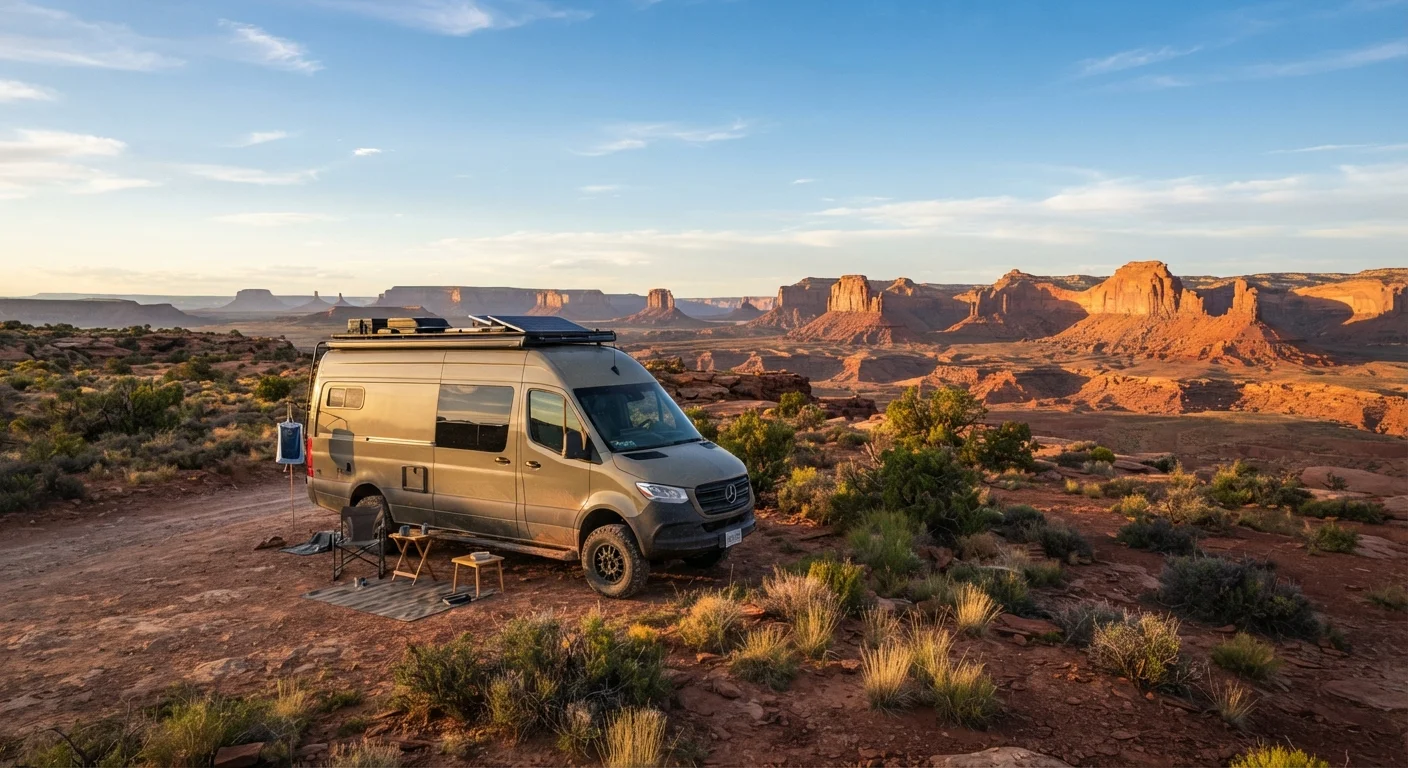
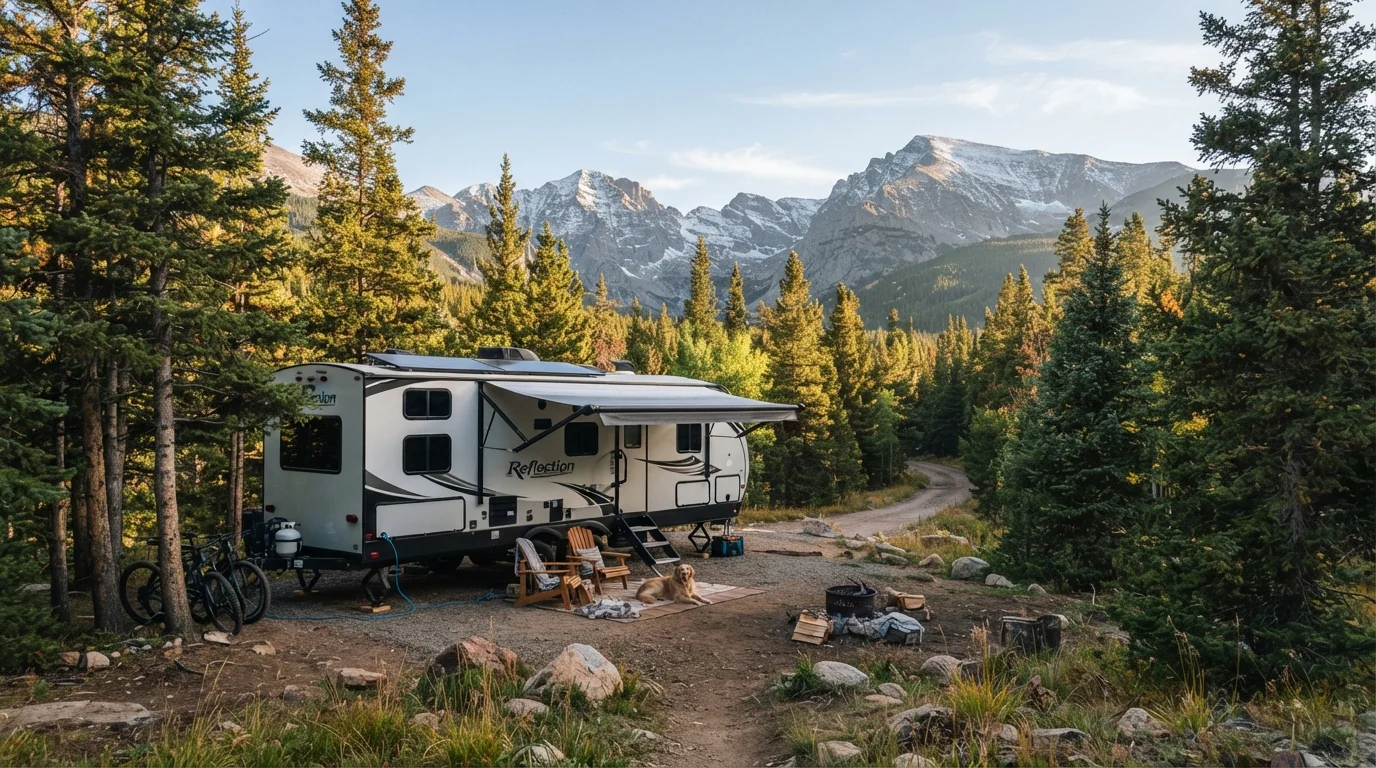
Smaller towable campers - particularly lightweight travel trailers and pop-ups - can access campgrounds and forest service roads that are off-limits to large motorhomes. Many boondocking spots on Bureau of Land Management land have tight clearances or rough surfaces where a 30-foot motorhome would struggle. If dispersed camping and off-grid travel appeal to you, towable campers often open more doors. Learn more about what that style of travel demands in our boondocking basics guide.
That said, Class B motorhomes (camper vans) and smaller Class C units can reach many of the same remote spots. The size of the rig matters more than the category it belongs to. For tow-behind options specifically, the choice between a travel trailer and a fifth wheel introduces its own set of trade-offs in handling and living space - covered in our travel trailer vs. fifth wheel comparison.
Maintenance, Longevity, and Resale Considerations
Motorhomes carry a more complex maintenance burden because the drivetrain and living systems age together. As the chassis accumulates miles, the living quarters age in parallel - meaning a high-mileage motorhome may have a worn engine and a dated interior simultaneously. Resale value tends to decline faster than with towables.
Towable campers decouple these concerns. You can upgrade to a newer trailer while keeping a proven tow vehicle, or replace the truck without touching the camper. This modularity appeals to travelers who want flexibility over the long term, or who expect their needs to shift. For a candid look at what sustaining either lifestyle actually involves, see our overview of RV lifestyle trade-offs.
Ultimately, the motorhome vs. towable question is a travel philosophy question as much as a financial one. Map your actual camping habits - how often you move, where you go, who travels with you - and the right answer tends to become clear.