
How Classic Car Auctions Are Structured
Classic car auctions aren't like estate sales or online marketplaces. They follow a precise sequence — registration, preview, live bidding, and settlement — and each phase has rules that bind buyers and sellers alike. Whether you're attending a major multi-day event or a regional consignment sale, the fundamentals are consistent.
If you're new to the collector vehicle world, it's worth reading A First-Timer's Roadmap to the Classic Car World before diving into the auction process. Understanding eras, terminology, and what defines a collectible vehicle will sharpen your judgment on the floor. You may also want to review what actually makes a car 'classic' — the distinctions between antique, vintage, and classic classifications can affect insurance, registration, and value.
Set Your Ceiling Before You Bid
Decide on your absolute maximum — hammer price plus buyer's premium plus estimated transport costs — before the lot comes up. Write it down. Auction floors are designed to create excitement, and it's easy to exceed your budget in the moment. A disciplined ceiling protects you from overpaying for a car that may require significant additional investment after purchase.
Auction houses typically publish a catalog — either printed or digital — listing each lot with photos, provenance notes, and estimated values. Study it carefully in the weeks before the event. Pre-sale estimates are the auction house's opinion, not a guaranteed market value.
Step-by-Step: The Auction Process from Registration to Payment
What you will need
Register as a Bidder
Arrive early — registration typically closes before preview hours end. You'll provide a valid ID, sign the auction house's terms and conditions, and submit a refundable deposit (commonly $500–$2,500 depending on the sale). In return, you receive a bidder number and paddle. Some auction houses allow pre-registration online, which saves time on-site.
Attend the Pre-Auction Preview
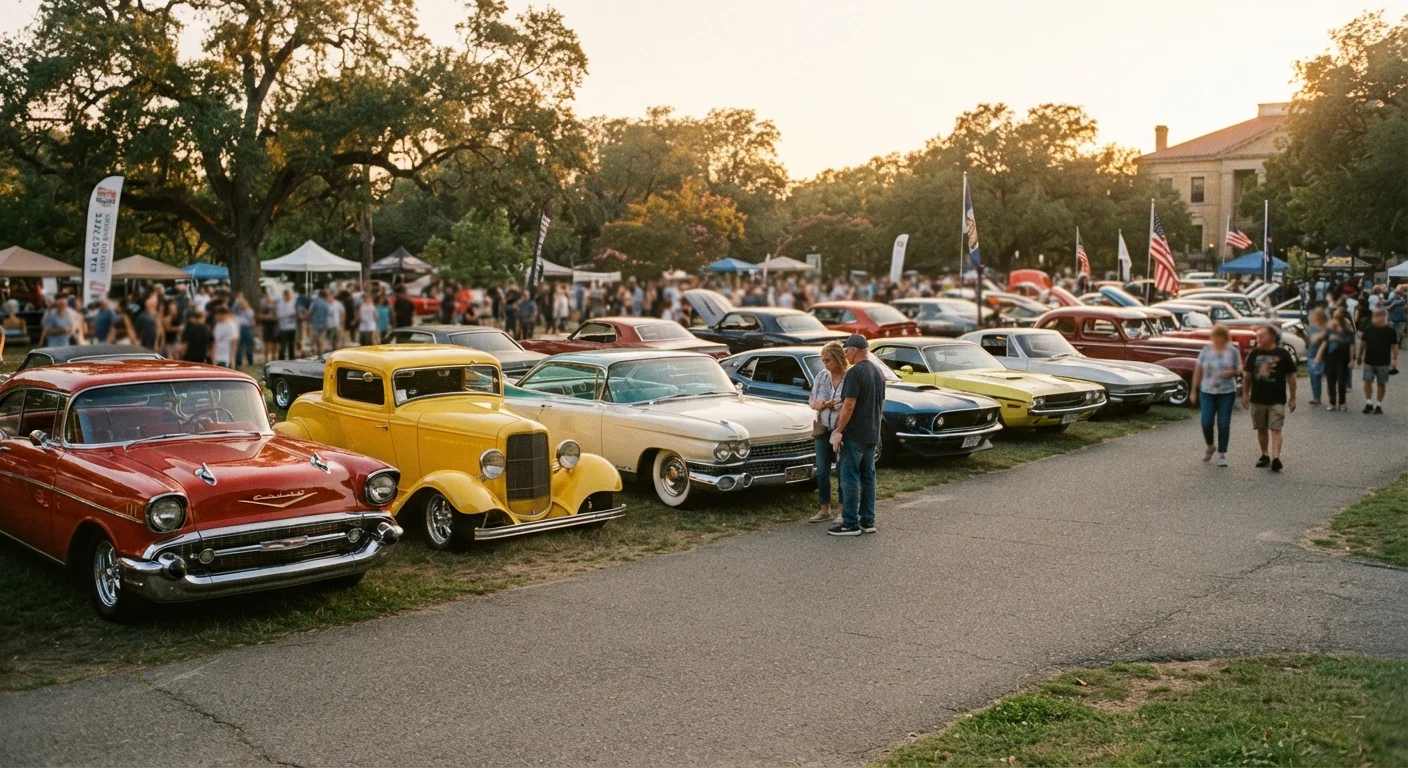
Preview periods — usually held the day before or the morning of the auction — are your only opportunity to physically inspect lots. Walk around each vehicle you're interested in, check for rust, examine the interior, look under the hood, and review the paperwork on display. Bring a flashlight. If permitted, hire an independent inspector or mechanic to accompany you.
Understand the Reserve Price
Many lots carry a reserve — a confidential minimum price the seller will accept. If bidding doesn't reach the reserve, the car is declared 'no sale' and goes unsold. The auctioneer may announce when bidding is 'at reserve' or 'on the market,' signaling the car will now sell to the highest bid. Lots listed as no reserve sell regardless of final price, which can create competitive bidding — or genuine value.
Bid Strategically on the Floor
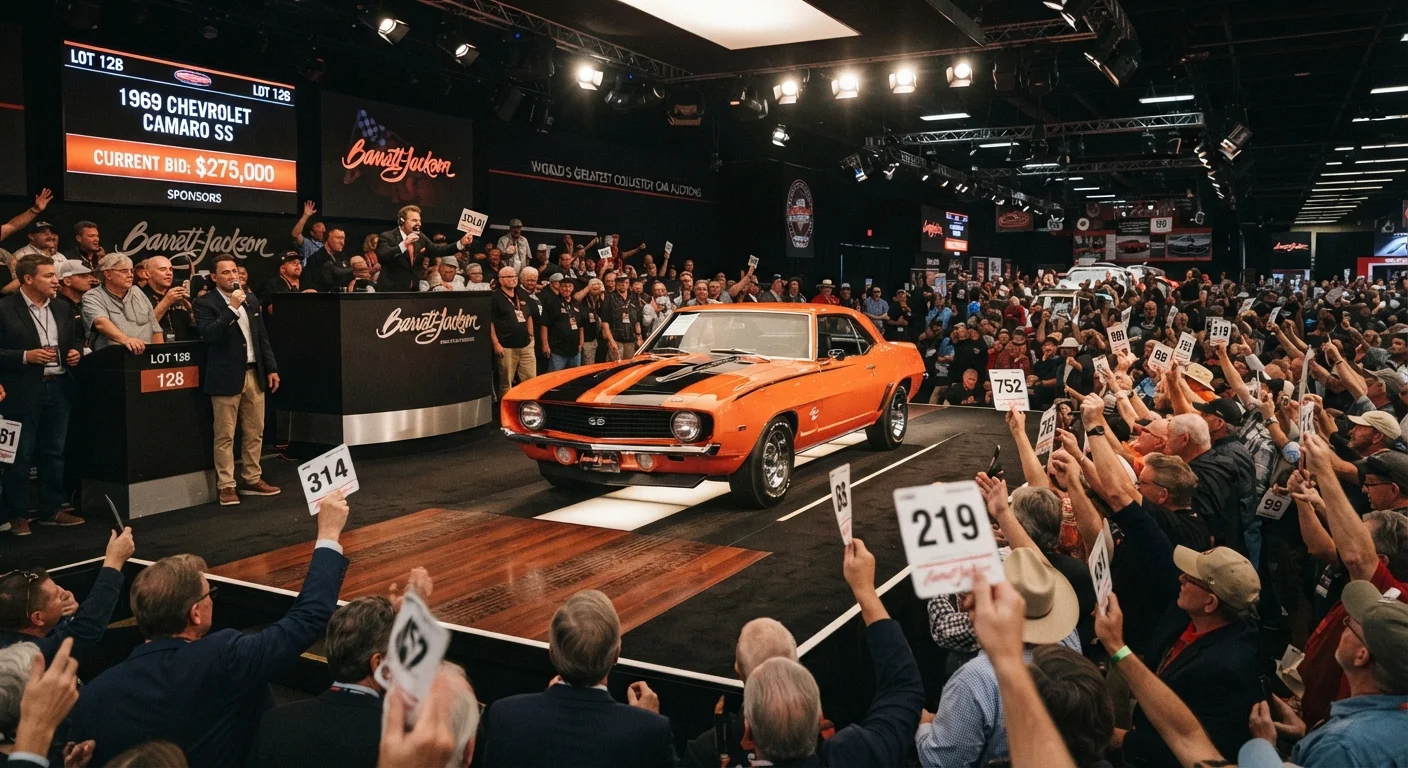
When your lot comes up, the auctioneer opens at a starting bid and advances in increments. Raise your paddle clearly to place a bid. Set a firm maximum — including the buyer's premium — before bidding begins and do not exceed it. Buyer's premiums typically range from 10% to 15% of the hammer price, though rates vary. A car that hammers at $40,000 with a 12% premium costs $44,800 before taxes and fees.
Complete Payment and Collect the Title
After a successful bid, proceed to the auction house's cashier or finance desk. Payment is typically due within 24–48 hours and accepted methods may include bank wire transfer, cashier's check, or approved financing. Credit cards are rarely accepted for the full amount. Confirm accepted payment methods before auction day. Once payment clears, you'll receive the title and any accompanying documentation.
A Winning Bid Is a Legal Commitment
In most jurisdictions, a successful bid at auction constitutes a binding contract. Backing out after the hammer falls can result in loss of your bidder's deposit and potential civil liability. Never bid on a vehicle you haven't inspected and aren't fully prepared to purchase.
Once the hammer falls in your favor, the auction is legally binding in most jurisdictions. Payment is due quickly — commonly within 24 to 48 hours — and failure to pay can result in forfeiture of your deposit and potential legal action. Always arrange financing or have cleared funds ready before bidding.
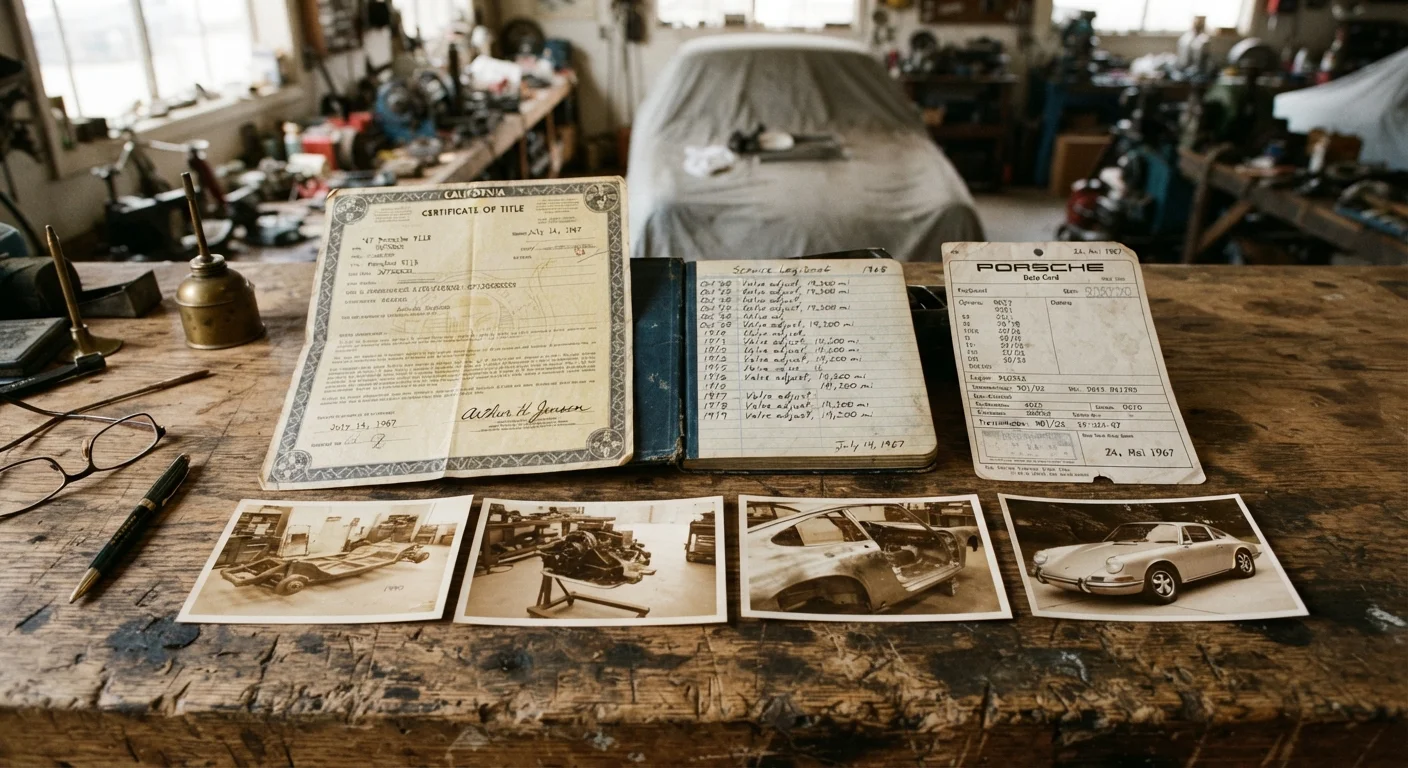
After you've secured a vehicle, the paperwork becomes your next priority. Review the documents every classic car should have to confirm the title, build sheet, and history records are in order before you transport the vehicle. Then, before the car moves an inch on public roads, explore how classic car insurance works — agreed-value policies and usage restrictions differ substantially from standard auto coverage.
For a broader view of what comes after the sale, Classic Car Ownership: The Full Picture Before You Commit offers an honest account of ongoing costs and considerations. Auctions are part of the larger vehicle shopping landscape, and approaching them with preparation makes all the difference.