
What the Classic Car World Actually Covers
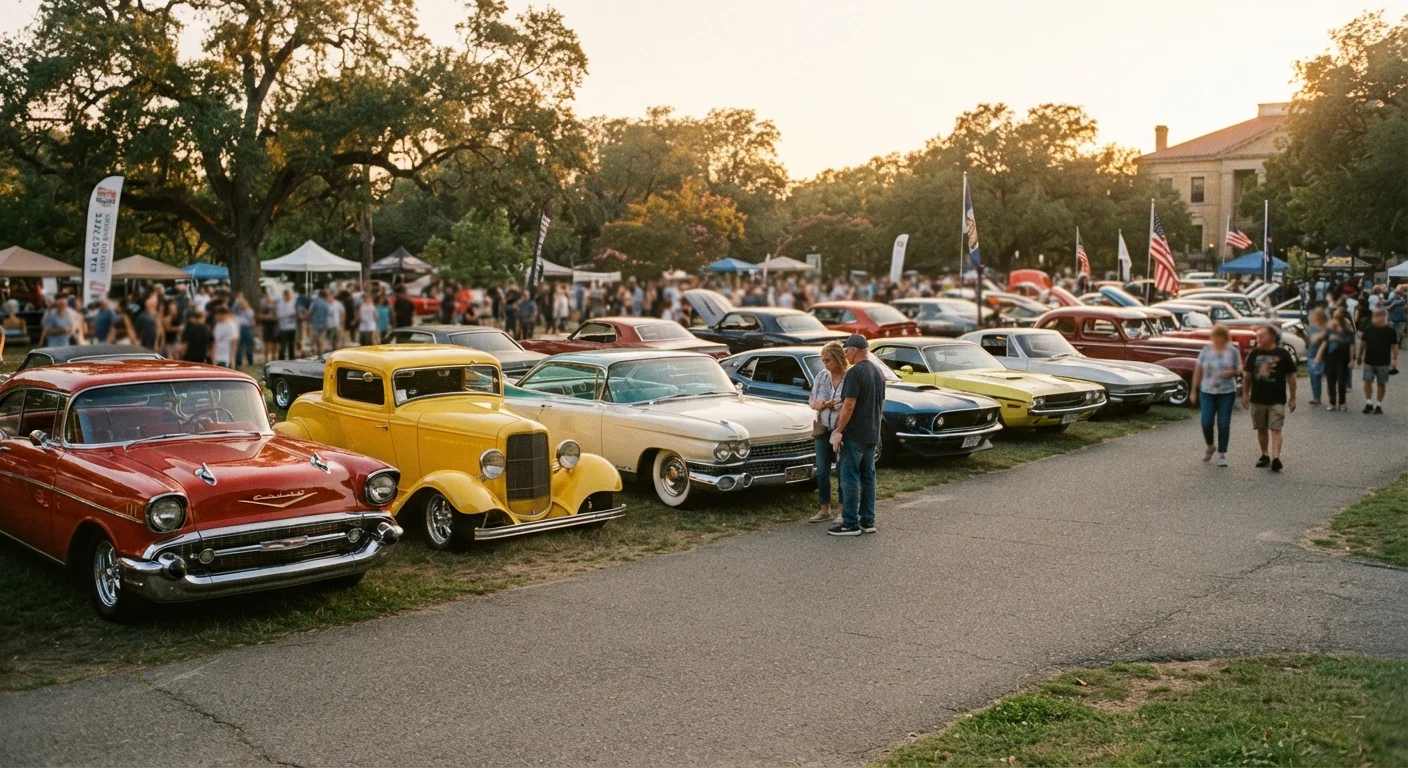
Step into any classic car show and you'll encounter an overwhelming variety — prewar roadsters, postwar chrome-laden cruisers, muscle cars, European sports cars, and trucks that predate living memory. The hobby spans more than a century of automotive history, and it attracts collectors, restorers, weekend drivers, and investors with very different goals.
Before anything else, it helps to understand that the words enthusiasts use — antique, vintage, and classic — are not interchangeable. Insurers, state vehicle registrars, and collector organizations each apply their own definitions, which affect registration fees, insurance rates, and eligibility for certain shows or clubs. Our companion article explains how these categories are actually defined across different contexts.
Numbers-matching
A vehicle whose major drivetrain components carry original factory stampings that match its build documentation, confirming it has not been swapped out.
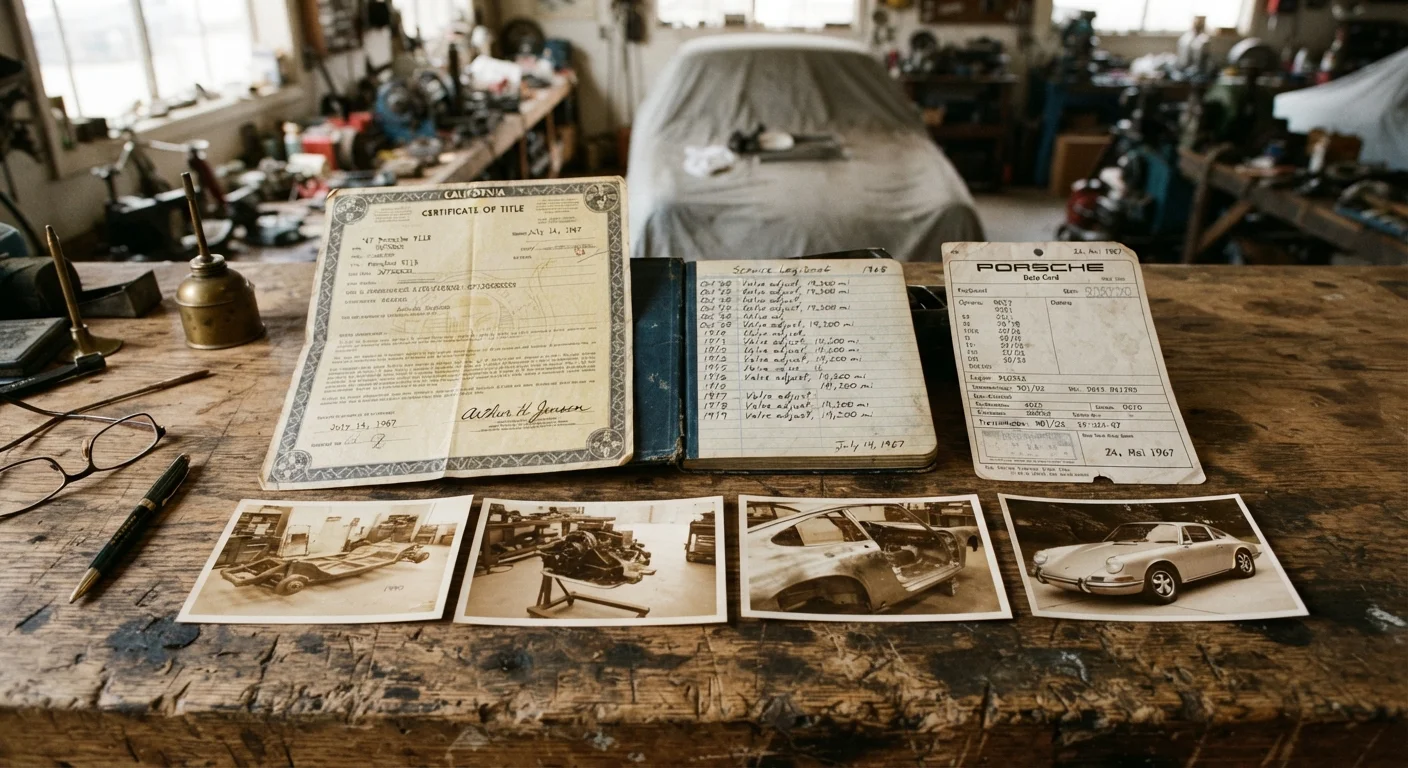
Provenance
The documented ownership and history of a vehicle, including factory records, prior registrations, and restoration logs. Strong provenance supports authenticity and value.
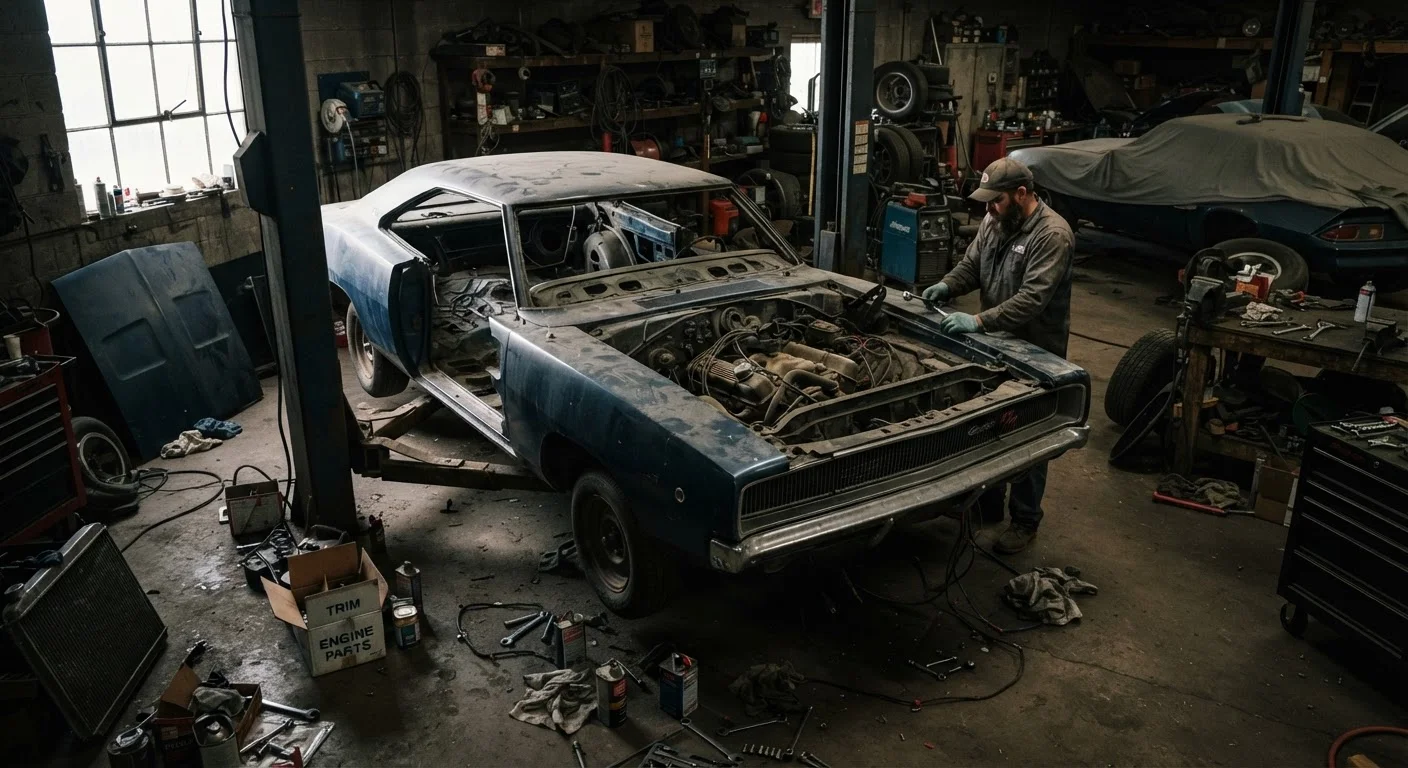
Frame-off restoration
A complete disassembly of a vehicle down to its bare frame, with every component inspected, rebuilt, or replaced before reassembly. The most thorough — and expensive — type of restoration.
Restomod
A classic vehicle that retains its original body and styling but has been updated with modern mechanical or electronic components to improve reliability or performance.
Coachbuilt
A vehicle whose body was custom-fabricated by a specialist coachbuilder rather than assembled on a standard production line. Common among pre-war luxury cars.
Barn find
A vehicle discovered after an extended period of storage, often in unrestored original condition. Condition varies widely and requires careful evaluation.
Key Eras and Why They Matter
Collectors broadly organize vehicles into historical eras, and knowing these periods helps you speak the language of the hobby.
- Brass Era (roughly 1890s–1915): The earliest automobiles, characterized by exposed brass fittings and rudimentary mechanics. Extremely rare and primarily of museum or investment interest.
- Vintage Era (1916–1930s): The period when cars gained enclosed bodies, reliable engines, and mass production. Vehicles from this window are often designated "antique" by registrars.
- Pre-War Classic (1930s–1941): Coachbuilt luxury cars from American and European makers, valued for craftsmanship and grandeur.
- Post-War / Chrome Era (1946–1964): Distinctive styling, tailfins, and two-tone paint define this era. Broad collector appeal and relatively accessible parts availability.
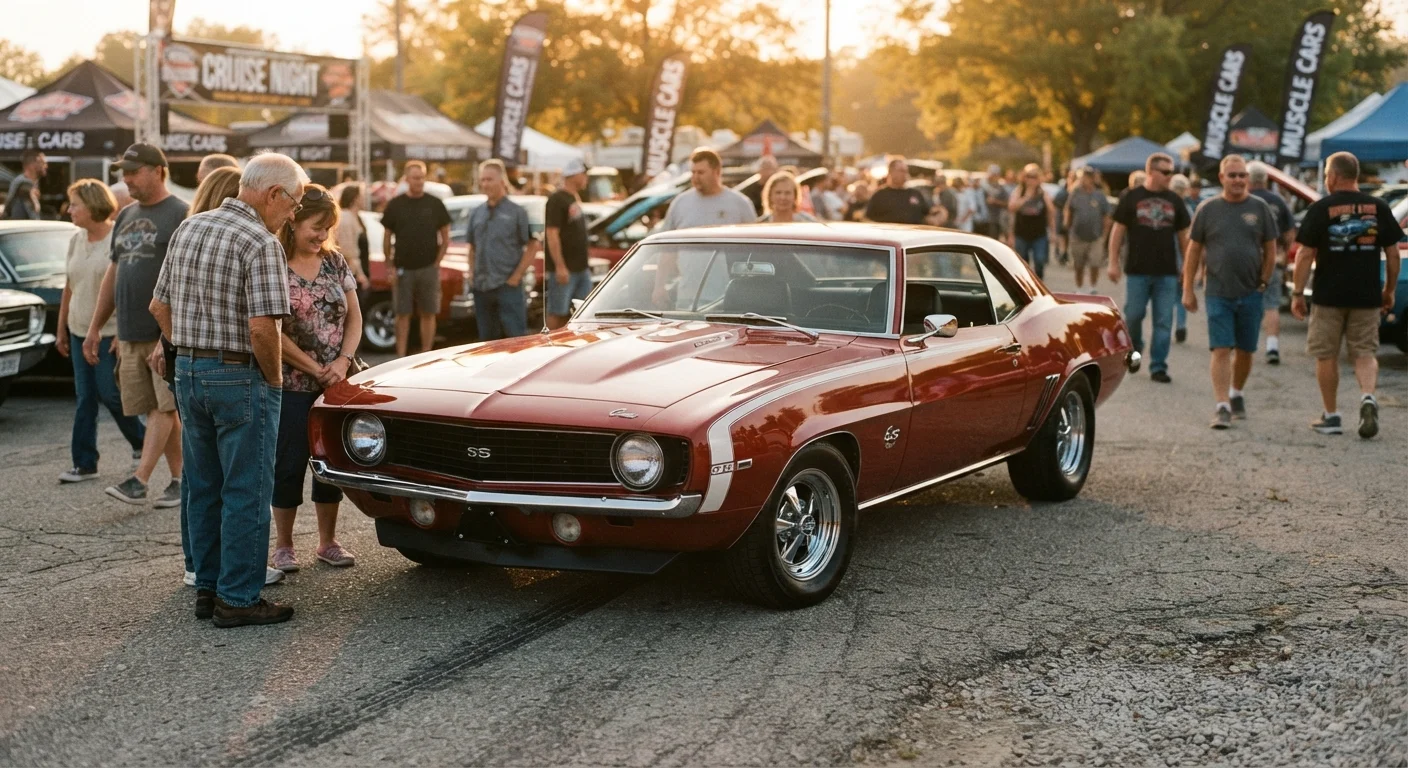
- Muscle Car Era (1964–1973): High-displacement V8 engines in mid-size bodies. Among the most actively traded segments of the hobby today.
- Malaise Era (1973–1983): Emissions regulations and fuel crises changed performance dramatically. Once overlooked, vehicles from this period are gaining collector interest.
- Emerging Classics (1980s–early 2000s): Sports cars, limited editions, and performance models from this window are increasingly recognized as collectibles.
Understanding which era a vehicle belongs to helps you anticipate parts availability, mechanical complexity, and the communities most likely to support your interest.
Body Styles and Common Terminology
Classic car conversations assume familiarity with specific vocabulary. Here are terms you'll encounter repeatedly.
- Hardtop
- A closed body style with a fixed metal roof but no B-pillar between the front and rear side windows, giving a clean, open look.
- Convertible / Cabriolet
- A body style with a retractable or removable soft or hard top.
- Coupe
- A two-door closed body, typically with a sloping roofline. Can refer to notchback (distinct trunk) or fastback (continuous roofline slope) variants.
- Sedan
- A four-door closed body with a separate trunk. Post-war four-door hardtops are a subcategory collectors distinguish carefully.
- Roadster
- An open two-seat body with minimal weather protection, common in brass and vintage eras.
- Numbers-matching
- A term indicating that major drivetrain components — engine, transmission, rear axle — carry factory-stamped numbers that correspond to the vehicle's original build documentation. Numbers-matching cars command significant premiums.
- Barn find
- A vehicle discovered after long storage, often in original unrestored condition. Condition varies widely; the term carries romantic appeal but requires careful verification.
Learn the Lingo Before You Shop
When attending your first shows or browsing listings, take notes on terms you don't recognize and look them up before engaging with sellers. Demonstrating basic vocabulary signals seriousness and helps you ask better questions. Marque clubs often publish free glossaries tailored to their specific make.
The Three Paths: Collect, Restore, or Drive
New enthusiasts generally fall into one of three orientations, though many eventually blend elements of all three.
Collecting focuses on acquiring vehicles for historical or investment value. Collectors prioritize originality, documentation, and condition over drivability. Provenance — the documented history of a car's ownership and factory specification — matters enormously. Our guide to the documents every classic car should have is essential reading before any purchase.
Restoring involves returning a vehicle to original or period-correct condition. This ranges from a cosmetic freshening to a full frame-off rebuild. Be aware that well-intentioned shortcuts — wrong paint codes, mismatched components — can hurt value significantly, as detailed in our article on mistakes that quietly destroy a classic car's value.
Driving prioritizes usability. Some enthusiasts pursue "restomods" — vehicles with classic bodies updated with modern mechanical components for reliability. Others choose fully original cars and accept the maintenance demands that come with age.
What to Expect Before You Buy
First-time buyers frequently underestimate total cost of ownership. Purchase price is only the beginning. Storage, specialized insurance, routine maintenance, and parts sourcing are ongoing commitments. Our article on classic car ownership — the full picture covers these realities in depth.
Before committing to any vehicle, a professional pre-purchase inspection by a mechanic experienced with the specific make and era is strongly advisable. Rust, compromised structure, and missing components can dramatically affect both safety and restoration cost. Decoding the vehicle's identification number is another critical step — the VIN tells a car's full factory story and can confirm whether key details match the seller's claims.
Don't Skip a Pre-Purchase Inspection
Classic vehicles can hide significant structural rust, compromised safety systems, or undisclosed prior accident damage beneath fresh paint or chrome. Always arrange an independent inspection by a qualified mechanic familiar with the era and make before finalizing any purchase. The cost of an inspection is modest compared to the cost of discovering major problems after the sale.
Building Your Knowledge Base
The classic car hobby rewards those who invest time in learning before spending money. Marque-specific clubs — organizations dedicated to a single make or model line — are among the most valuable resources available. They maintain technical libraries, host events, facilitate parts exchanges, and connect new members with experienced owners.
Car shows, swap meets, and auctions provide direct exposure to a wide range of vehicles, conditions, and prices. Attending several events before purchasing gives you calibration that no amount of reading fully replaces.
For those interested in restoration, our complete overview of the restoration process walks through every phase from disassembly to road-ready finish. And if sourcing components for an older vehicle is a concern, our guide to finding hard-to-locate vintage parts covers the main avenues available today.
The classic car world is broad, deeply social, and genuinely welcoming to newcomers — the learning curve is part of the appeal.
Marque-Specific Owner Clubs
Clubs dedicated to individual makes or models maintain technical archives, host regional events, and connect new owners with experienced members. Most welcome beginners and offer forums or mailing lists.
Classic Car Pre-Purchase Inspection Checklist
A structured checklist covering body condition, frame integrity, drivetrain verification, documentation review, and title status helps first-time buyers avoid costly oversights.
Vehicle Identification Number Decoder
Era-specific VIN decoder tools — available through marque registries and enthusiast databases — help verify a vehicle's factory configuration, build date, and origin from its identification number.
Collector Vehicle Insurance Guide
Specialty collector car insurance differs significantly from standard auto policies in how value is determined and what use restrictions apply. Understanding the basics before purchasing protects your investment.