What Is Infill Development?
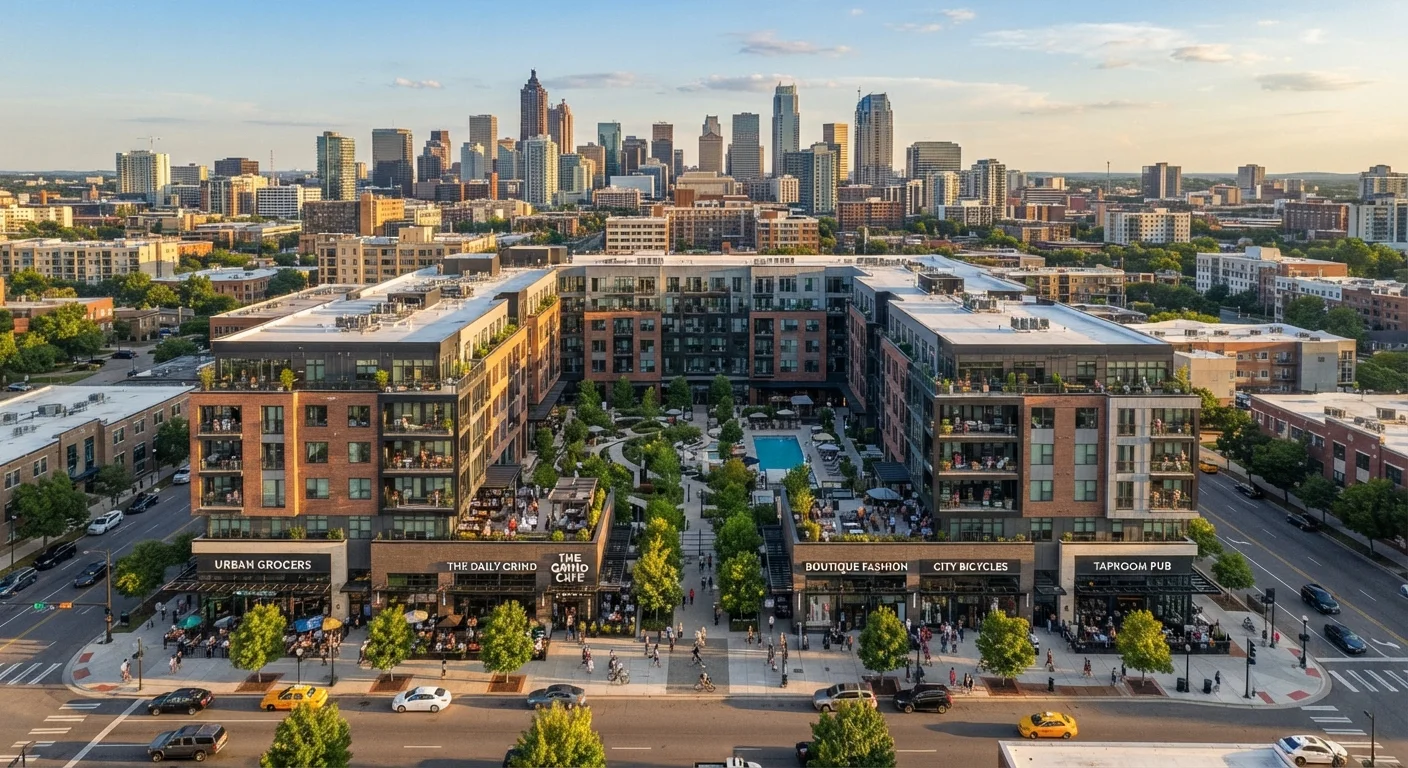
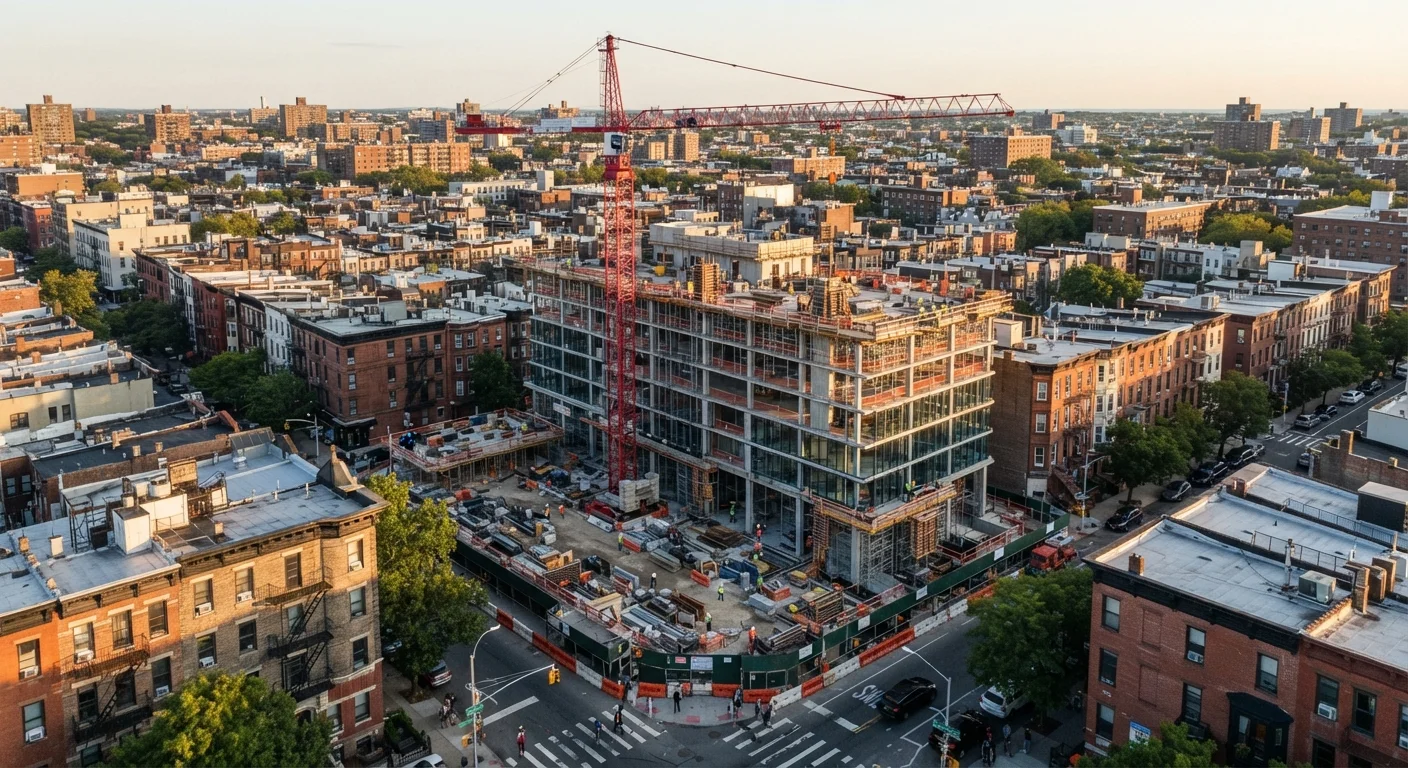
Infill development refers to construction on vacant, underutilized, or previously developed land within an already-built urban or suburban area. Rather than pushing growth outward, it fills the gaps — a derelict lot between apartment buildings, a shuttered gas station on a commercial corridor, or a surface parking area in a downtown core.
These projects vary widely in scale: a single-family home on an empty city lot, a mid-rise residential building on a former industrial parcel, or a mixed-use development that brings housing, retail, and offices to a neglected block. The common thread is location — infill sites are surrounded by existing neighborhoods rather than open land.
For a broader look at how any development project moves from concept to completion, see Property Development Explained.
Infill Is Not Always a Simple Site
The term 'infill' covers a wide spectrum of site conditions and project types. A vacant residential lot in a stable neighborhood carries very different risks than a former industrial parcel with unknown environmental history. Due diligence — including phase I and, where warranted, phase II environmental assessments — is essential before any infill acquisition. Site-specific legal and technical advice is strongly recommended.
Key Advantages of Infill Development
Infill sites carry several structural advantages that can make them compelling for developers, local governments, and future occupants alike.
Existing infrastructure reduces upfront utility costs
Roads, water mains, sewer lines, and electrical grids are typically already in place on or near infill sites, eliminating the substantial capital expense of extending services from scratch.
Prime locations with walkability and transit access
Infill parcels sit within established neighborhoods, often close to transit stops, schools, and commercial amenities — attributes that support higher rents, stronger sales prices, and long-term asset value.
Supports municipal housing and revitalization goals
Local governments frequently prioritize infill through expedited permitting, density bonuses, or tax increment financing, as it adds housing supply without extending city services into new territory.
More sustainable land use than outward expansion
Building within existing urban boundaries reduces automobile dependence, preserves undeveloped land, and concentrates density where it can be served efficiently — a profile that aligns with many cities' climate and planning objectives.
Can increase surrounding property values
Well-executed infill projects often improve the visual and economic character of a block, which can lift values for neighboring properties over time.
~75%
Of US population living in urban areas
According to the US Census Bureau, roughly three-quarters of Americans live in urban settings, underscoring the scale of demand that infill development is positioned to address.
30–40%
Estimated share of urban land that is underutilized
Urban planning research consistently finds that significant portions of developed city land — surface parking, vacant lots, and obsolete structures — remain available for infill redevelopment.
Common Complications and Drawbacks
Despite their appeal, infill sites often come with entangled challenges that straightforward greenfield projects avoid. Understanding these before acquisition is essential.
Potential for soil contamination or environmental liability
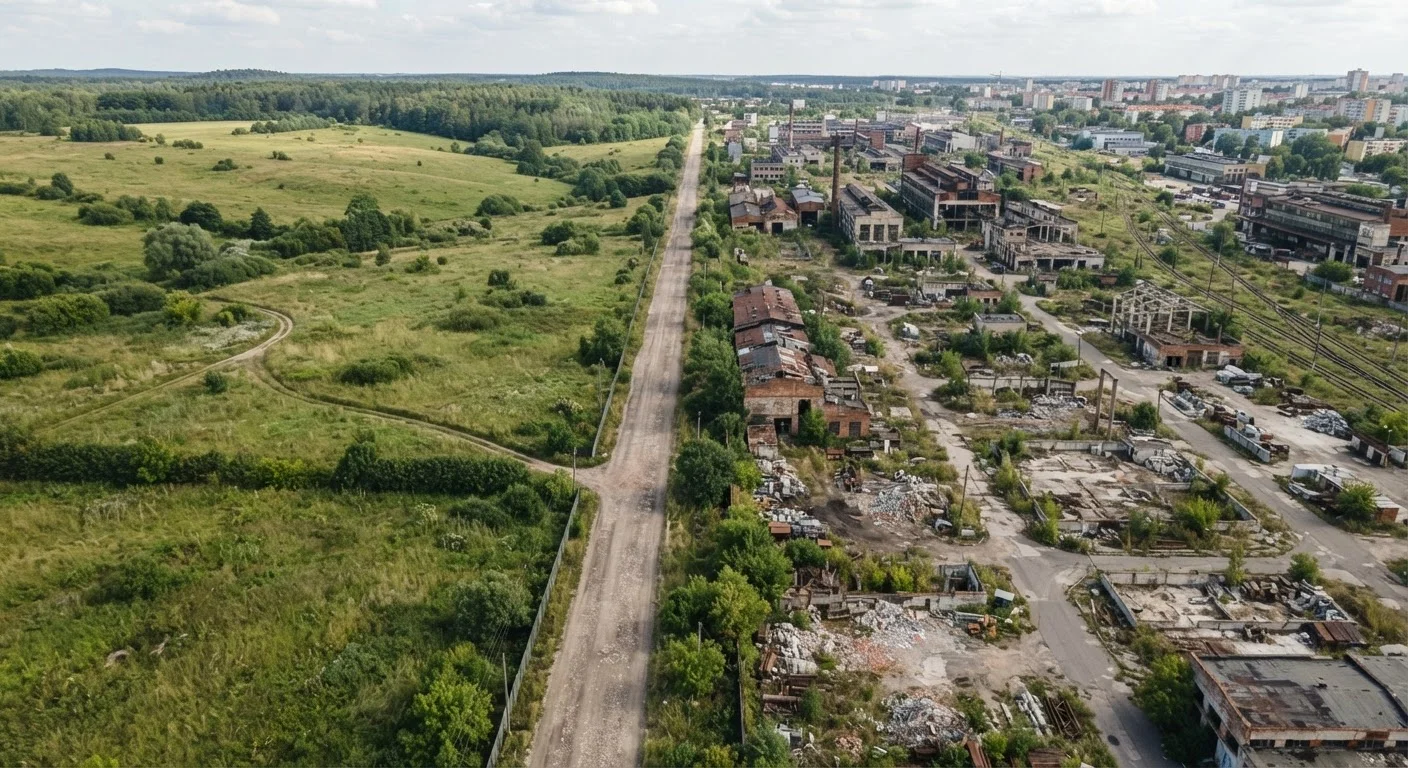
Sites with prior industrial, commercial, or storage use may contain hazardous materials requiring remediation before construction can begin, adding significant cost and time to the project.
Constrained construction logistics in dense settings
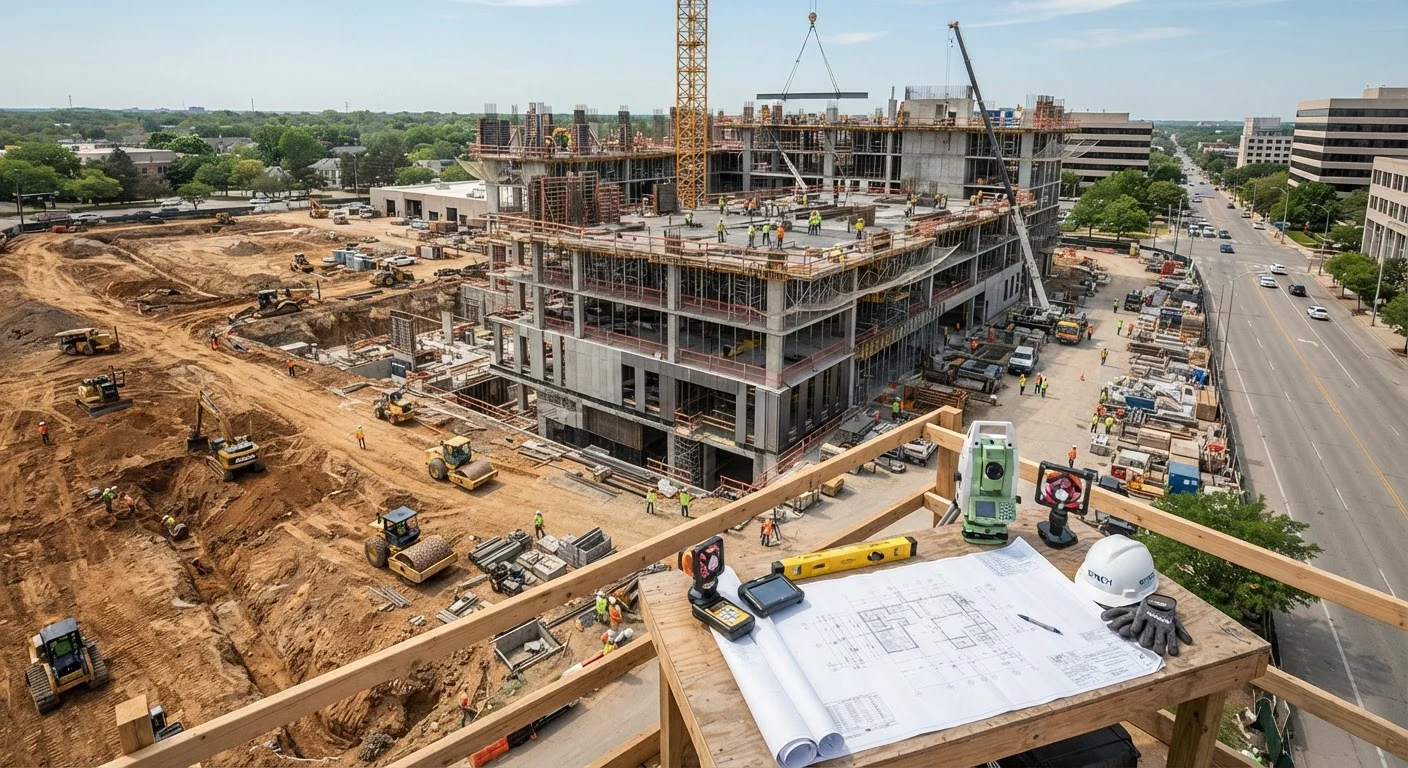
Limited staging space, tight lot boundaries, and adjacency to occupied buildings can restrict equipment access, increase labor complexity, and raise construction costs compared to open-site projects.
Community opposition and neighborhood resistance
Existing residents may object to increased density, changes in neighborhood character, or construction disruption — opposition that can delay approvals and, in some cases, reshape project scope.
Complex zoning, entitlement, and regulatory processes
Infill sites may be subject to historic preservation review, design standards, or zoning classifications that require variances or rezoning, adding months to the entitlement timeline.
Higher land acquisition costs in desirable areas
The locational advantages of infill sites are reflected in land prices, which can compress developer margins, particularly in high-demand urban markets.
Unknown subsurface conditions increase risk
Old foundations, buried utilities, or unexpected soil conditions — common on previously developed parcels — can surface during construction and trigger costly scope changes.
Infill vs. Other Development Approaches
Choosing an infill site is fundamentally different from building on undeveloped land. Greenfield and brownfield sites each present their own trade-offs — greenfield sites offer clean slates but require new infrastructure investment; brownfields, like many infill parcels, may carry environmental liabilities but benefit from urban proximity.
Some infill projects also involve retaining and converting existing structures rather than demolishing them outright. This approach — adaptive reuse — can unlock historic tax credits and preserve neighborhood character while still delivering new usable space.
From a sustainability standpoint, infill generally outperforms outward expansion. Reusing urban land reduces pressure on undeveloped ecosystems, shortens commutes, and concentrates density where transit infrastructure already exists. Developers focused on responsible practices can learn more through sustainable building practices.
This article is for general informational purposes only and does not constitute financial, legal, or investment advice. Readers should consult qualified professionals before making development or investment decisions.