
Why Trend-Chasing Quietly Undermines Your Wardrobe
A closet that seems full but yields nothing to wear is one of the most common frustrations in everyday dressing — and trend-first shopping is a leading cause. When purchases are driven by what is popular rather than what is practical, individual pieces accumulate without forming a coherent, functional whole.
The problem is not trends themselves. Incorporating current styles can be energizing and expressive. The issue is when trendiness becomes the primary filter for every purchase, displacing more durable criteria like versatility, fit, and real-world wearability. Understanding where this pattern starts is the first step toward breaking it. See our common wardrobe lessons for a broader look at the habits that take most people years to unlearn.
~$500
Average annual spend on unworn clothing per US household
Research by various consumer behavior analysts consistently estimates American households spend hundreds of dollars annually on clothing that goes unworn within the first year of purchase.
60%
Of purchased garments worn fewer than 10 times
Industry estimates and sustainability researchers have repeatedly found that a significant majority of clothing items are worn only a handful of times before being discarded or donated.
The Mistakes That Keep Happening — And How to Stop Them
Trend-driven shopping mistakes tend to follow recognizable patterns. Recognizing them in your own habits is the most direct path to a wardrobe that actually works for your life.
Buying clothes based on how they look on a model or influencer rather than on your own body and lifestyle.
Why it happens: Social media is designed to make aspirational looks feel attainable, and the gap between a styled shoot and real daily life is easy to overlook in the moment.
Treating trend cycles as urgent, leading to rushed purchases that feel necessary but go unworn.
Why it happens: Retailers and content creators frame trends as fleeting opportunities, creating a scarcity mindset that bypasses deliberate decision-making.
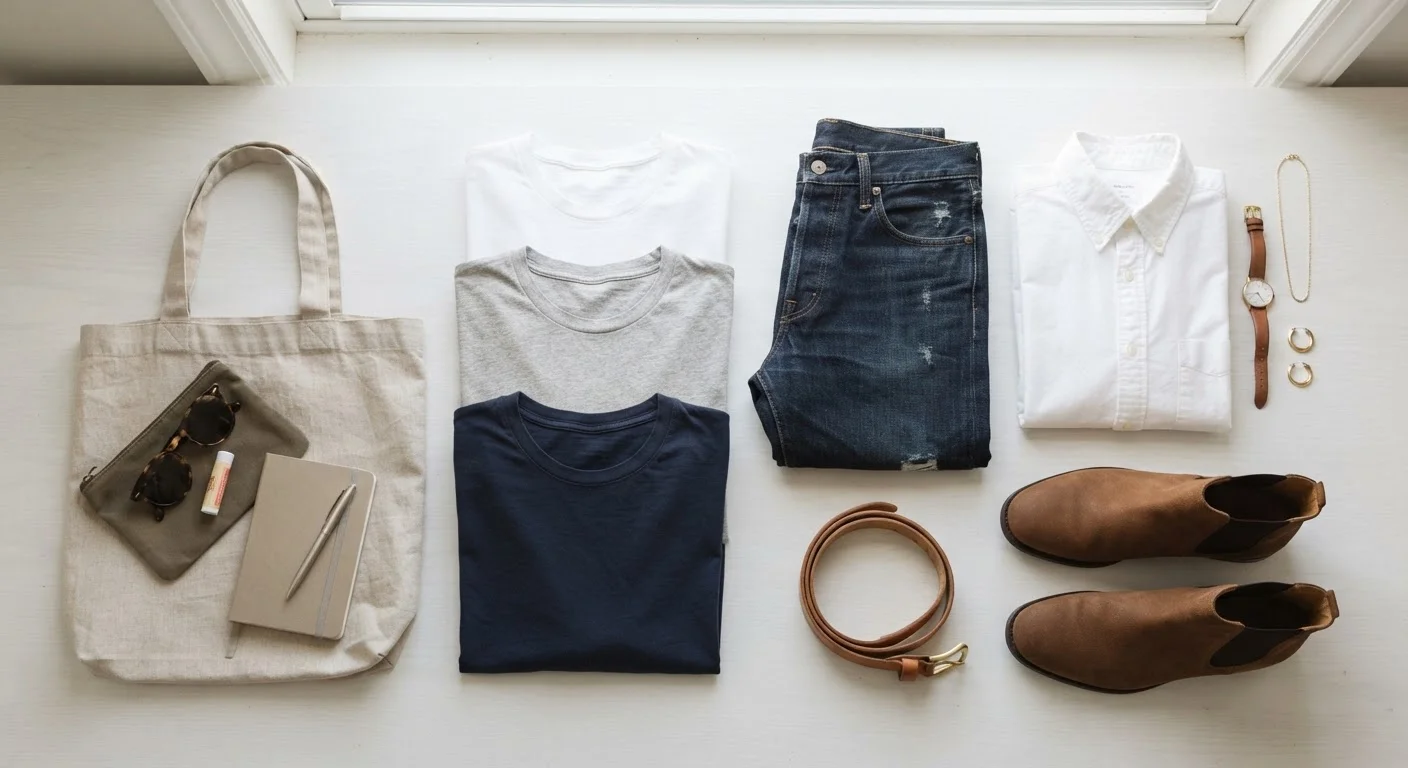
Prioritizing statement pieces without ensuring you own the basics needed to wear them.
Why it happens: Eye-catching items are more emotionally rewarding to buy than neutral foundational pieces, even though the basics do most of the wardrobe's heavy lifting.
Ignoring cost-per-wear in favor of low sticker price, making trend pieces feel low-risk when they are not.
Why it happens: A $20 top feels like a safe experiment, but worn only twice it costs $10 per wear — more than a $60 staple worn 40 times at $1.50 per wear.
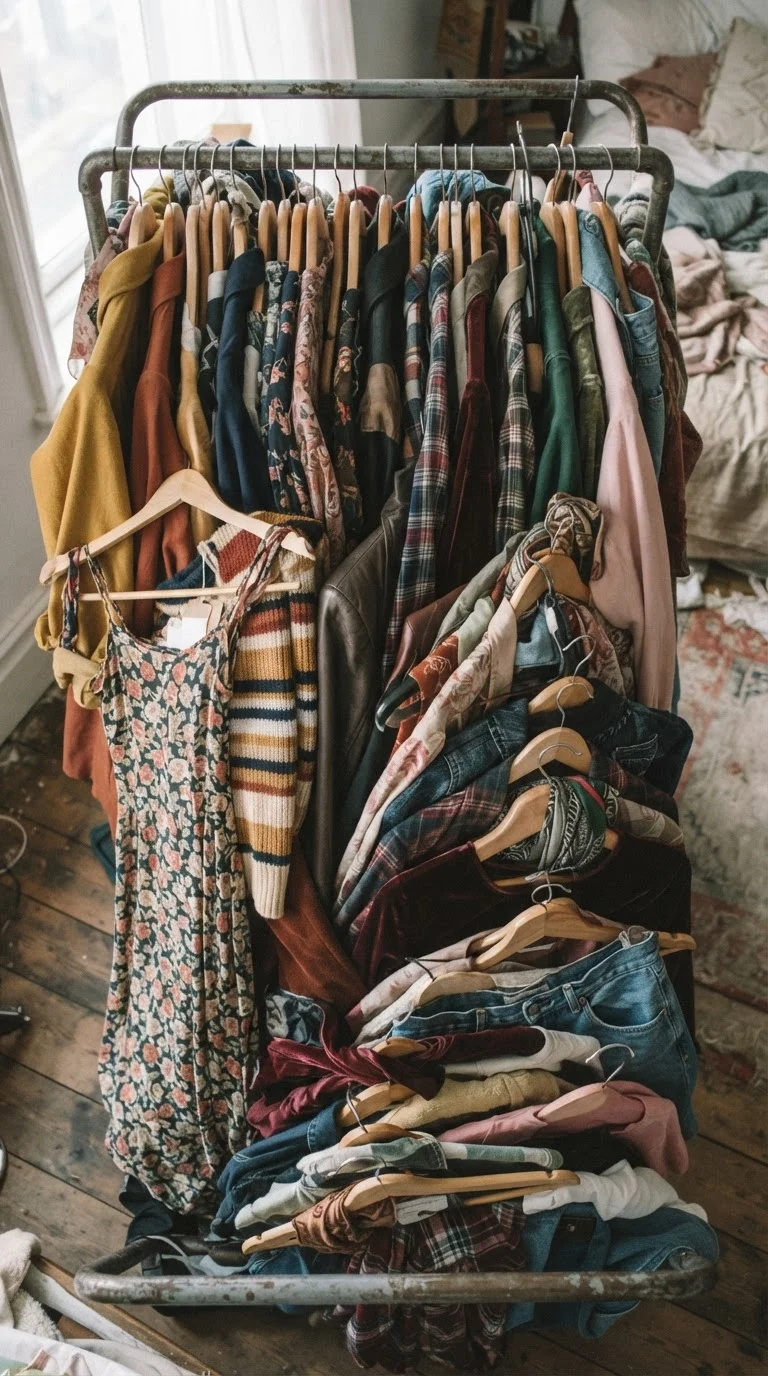
Allowing trend pieces in loud colors or silhouettes to crowd out neutral, combinable garments.
Why it happens: Trends tend toward the distinctive — bold prints, unusual cuts, striking palettes — which are harder to mix and match with existing wardrobe staples.
Trend Spending Adds Up Fast
Buying three or four trend-driven pieces per season at modest prices can easily exceed what a single versatile, well-made garment would cost — while delivering far less long-term use. Before adding a trendy item to your cart, ask how many times per month you realistically expect to wear it. If the honest answer is fewer than five, the math rarely works in your favor.
If you are starting to rethink your approach from the ground up, the capsule wardrobe model offers a structured alternative that prioritizes versatility over volume. For those working within a tight budget, building a wardrobe from scratch lays out a practical sequence for getting the right pieces first.
Building Habits That Work Longer Than Any Trend
Sustainable dressing is less about rigid rules and more about developing a realistic picture of your own life before you shop. What do you actually wear on most days? Which items do you reach for repeatedly, and which hang untouched? That data — drawn from your own closet — is more useful than any seasonal forecast.
Social Media Makes Trends Feel More Urgent Than They Are
Algorithmic feeds are optimized to surface content that generates engagement — and trend reveals perform exceptionally well. This creates a distorted sense of how widespread or lasting a given style actually is. What looks ubiquitous online may be far less common in your actual community. Treat trend content as entertainment, not as a shopping guide, and you will find it easier to make purchases that reflect your real preferences rather than a manufactured moment.
Fit consistently outperforms novelty as a driver of how often you wear something. A well-fitted basic will get more use than a trend piece in a size that is close but not quite right. Our editorial on why fit matters more than brand or price explains this in practical terms. And if you are evaluating where to shop, thrift versus fast fashion covers the real tradeoffs between two of the most common low-cost options.
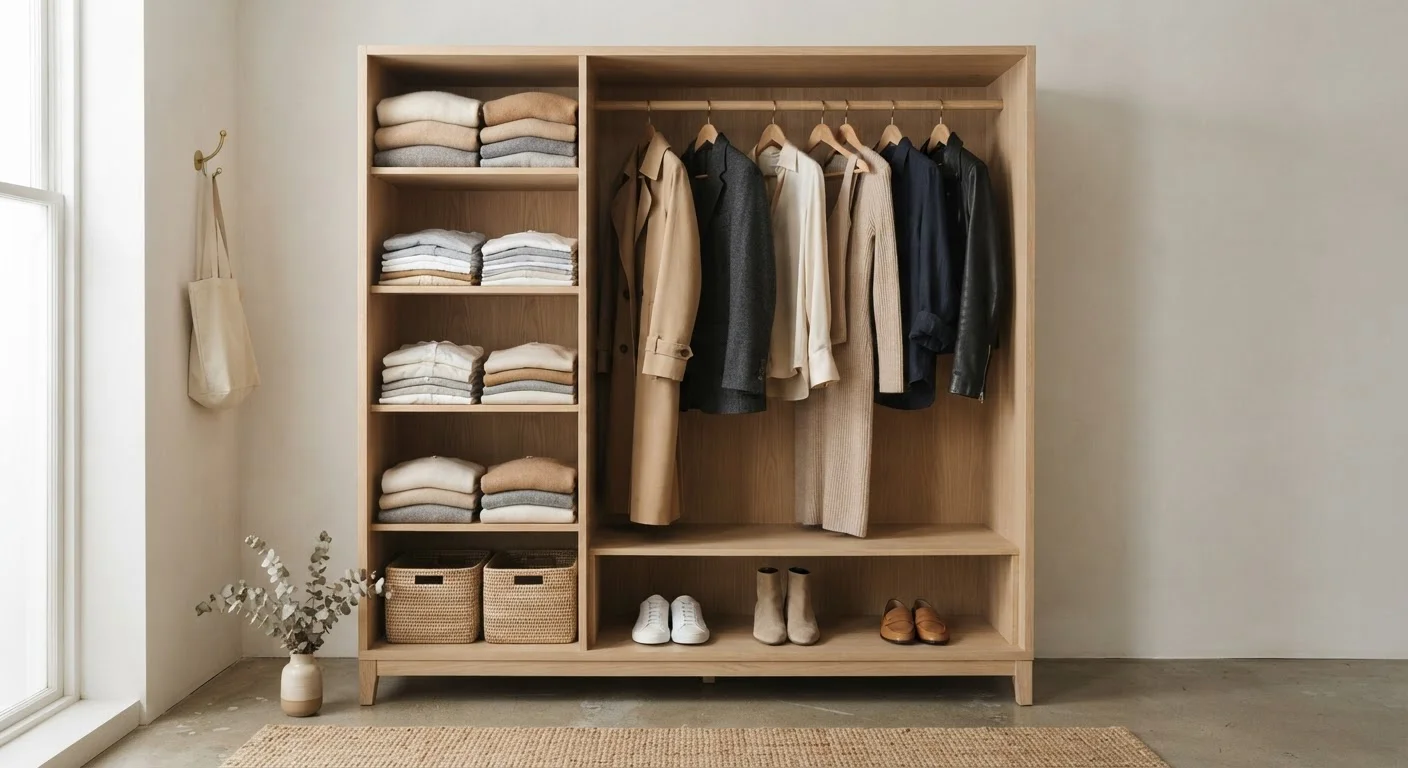
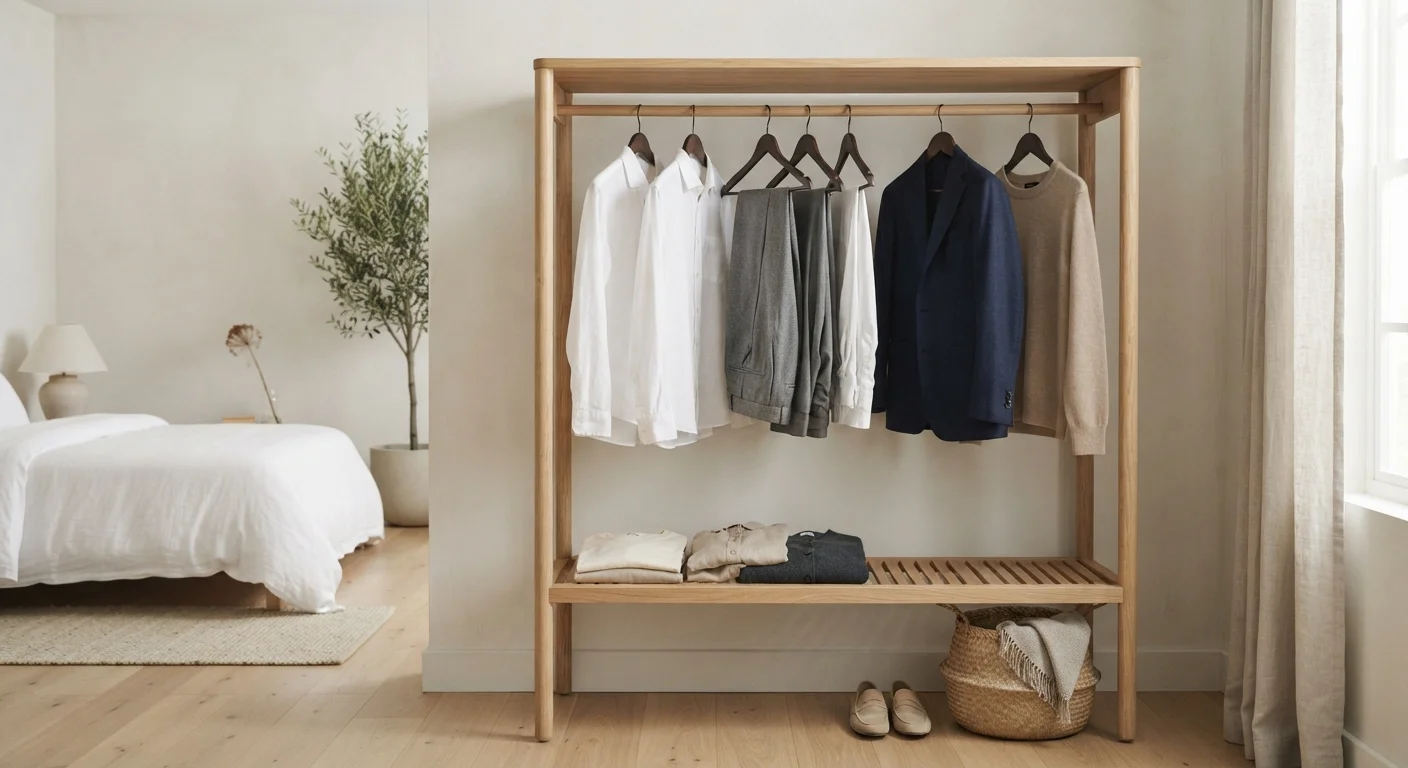
A wardrobe that serves you well is one built intentionally — fewer pieces that combine freely rather than many pieces that compete for closet space. Maximizing outfit variety with a smaller wardrobe is a skill, and it starts with resisting the pull of trendiness as a default buying criterion.