
What the Difference Actually Means
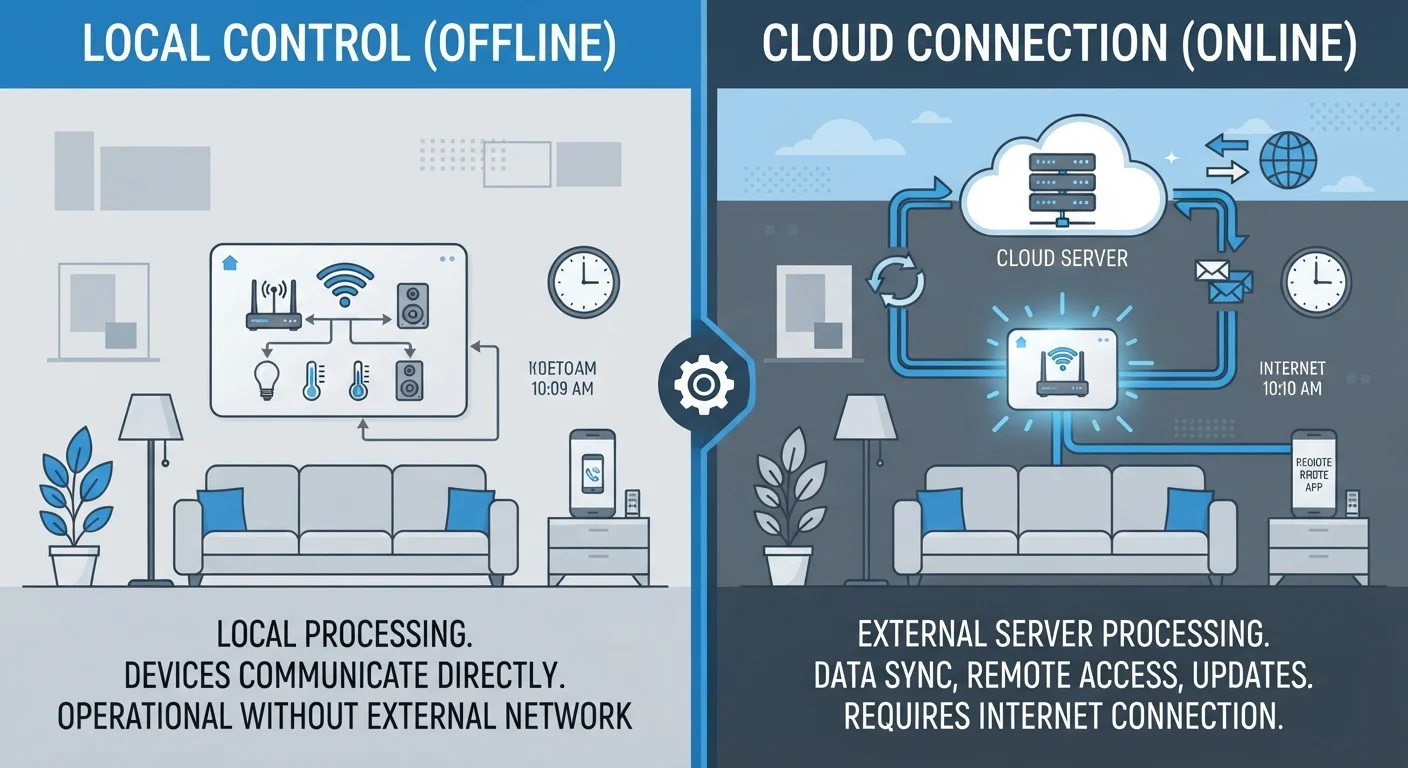
Every smart device does some amount of computing — processing sensor data, responding to commands, or making decisions. Where that computing happens is the critical variable. Local processing means the device's own chip handles the work, entirely within your home. Cloud-dependent processing means the device sends data to a remote server, waits for a response, and then acts. That round trip is usually invisible when everything runs smoothly, but the architectural difference has significant implications for how reliable and private your devices are.
Think of it this way: a smart thermostat that adjusts based on an internal schedule is acting locally. A thermostat that listens for voice commands and routes them to a manufacturer's server for interpretation before responding is cloud-dependent — even if it feels instantaneous. Many modern devices are a hybrid: some functions are local, others are cloud-reliant. Understanding which functions fall into which category helps set realistic expectations.
For a deeper look at how connectivity choices shape the broader smart home experience, see an honest look at the trade-offs.
Reliability: What Happens When Connectivity Fails
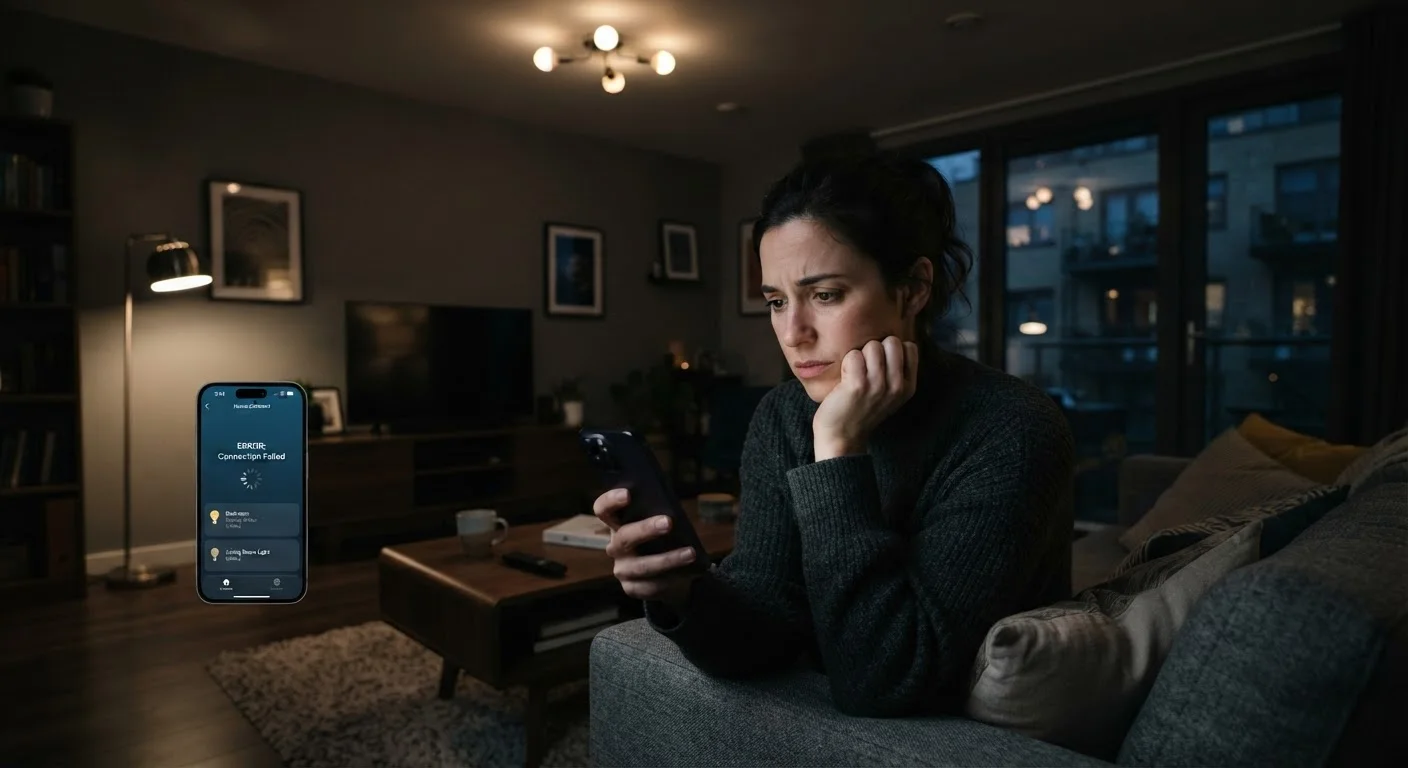
The clearest practical difference between local and cloud-dependent devices shows up the moment your internet goes down — or the manufacturer's server experiences an outage.
| Criterion | Local Processing | Cloud-Dependent |
|---|---|---|
| Works without internet | Yes, fully functional | Partially or not at all |
| Server shutdown risk | Not affected | Device may stop working |
| Data sent externally | Minimal to none | Regular data transmission |
| AI and advanced features | Limited by on-device chip | Broad, cloud-powered AI features |
| Remote access | Requires additional setup | Built-in via manufacturer app |
| Long-term reliability | High — no external dependencies | Dependent on manufacturer support |
Local processing devices continue operating normally during an internet outage because there's nothing external to reach. A locally controlled smart lock still unlocks. A locally processed motion sensor still triggers an alarm. Cloud-dependent devices, by contrast, may become partially or fully non-functional. Some fall back to basic operation; others go completely dark until connectivity is restored.
There is a second, often overlooked reliability risk for cloud-dependent devices: server discontinuation. When a company shuts down a product line or goes out of business, the servers that power its devices may go offline permanently. Owners of those devices can find themselves with expensive hardware that no longer functions as intended. Local devices don't share this vulnerability — they're not relying on any external infrastructure to keep running. If you've noticed connectivity issues with existing devices, common causes of smart device disconnections are worth reviewing.
Privacy: Where Your Data Goes
Local processing keeps data on-device or within your home network. Voice commands processed locally never leave your router. Motion data analyzed on a camera's chip doesn't travel to a third-party server. This architecture meaningfully limits the surface area for data collection and potential exposure.
59%
Smart home owners concerned about data privacy
A Parks Associates survey found that a majority of smart home device owners express concern about the privacy of data collected by their devices.
Billions
IoT devices transmitting data to the cloud
Industry analysts estimate billions of Internet of Things devices are actively sending data to cloud servers globally, the vast majority without on-device processing alternatives.
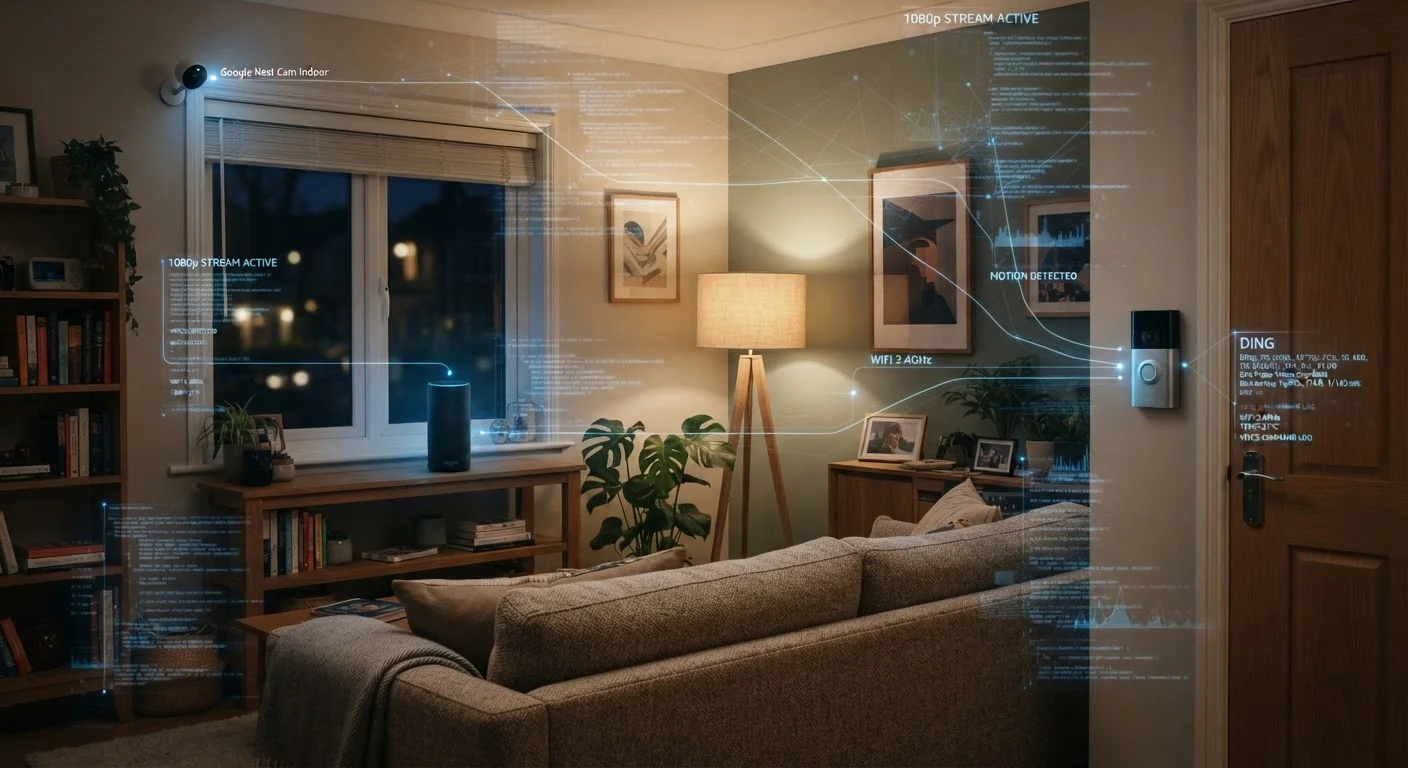
Cloud-dependent devices, by design, send data externally. That data may be stored, analyzed, and — depending on a company's privacy policy — shared with partners or used to improve AI models. The data involved can include audio clips, video footage, location patterns, and household routines. These policies vary significantly between manufacturers and can change over time.
This doesn't mean cloud-dependent devices are inherently unsafe, but it does mean privacy-conscious households should read privacy policies carefully before purchasing. For a detailed breakdown of what smart home devices typically collect and how to reduce exposure, understand what your smart home devices are collecting is a practical next step. Broader device security habits are also covered in our guide to smartphone security habits that actually matter.
Hybrid Devices Are Common
Many devices on the market today blend both approaches. A security camera might process motion detection locally but upload clips to the cloud for remote viewing. An air quality monitor might store readings on-device but sync to a cloud dashboard for historical trends. When evaluating a device, look specifically at which functions require a cloud connection and which can run independently — the manufacturer's documentation or app settings often clarify this.
Features and Trade-Offs
Cloud-dependent devices often justify their connectivity requirements with capabilities that genuinely require remote infrastructure. Natural language voice assistants, predictive energy management, and AI-based video analysis all depend on computing power that a small chip embedded in a home device cannot replicate. If those features matter to you, cloud dependency is a reasonable trade-off to accept knowingly.
Local processing devices, meanwhile, tend to offer a more limited but more predictable feature set. Automation rules based on schedules or sensor triggers work well locally. Complex AI inference or multi-device coordination across distant locations is harder to achieve without cloud support.
Increasingly, some devices and platforms — particularly those built on open protocols like Matter and Thread — are designed to give users more control over this balance. They aim to keep core functionality local while offering optional cloud features, rather than making cloud connectivity mandatory for basic operation. Understanding how your home network is structured, including whether you use a hub to coordinate devices, matters here. What a smart home hub actually does explains how hub-based setups can shift more processing to your local network.